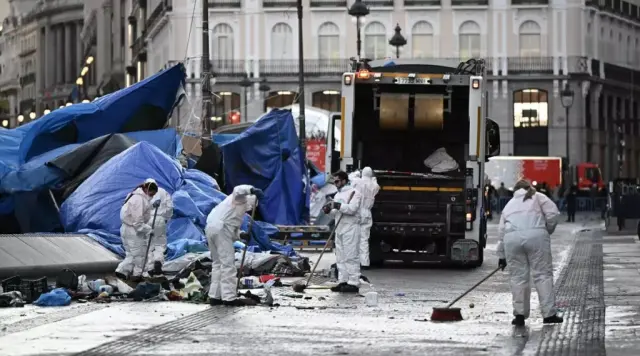
A collision between two high-speed trains near Urda, in the Toledo province of Castilla-La Mancha, has killed at least 69 people and left 34 others in hospital — and Spain's government is moving fast to respond, both with money for victims and with promises about the future of the country's high-speed rail network.
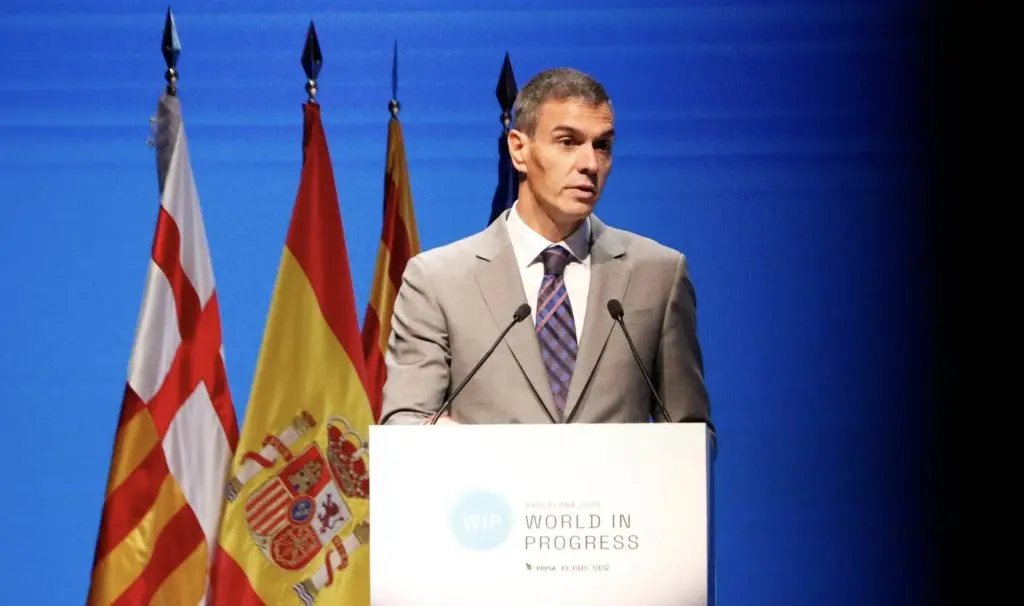
Prime Minister Pedro Sánchez, speaking in Barcelona as he returned to public duties after the official mourning period, said the Cabinet would approve an emergency support package on Tuesday. The plan borrows from the playbook used after the Adamuz rail disaster in Córdoba earlier this year: advance compensation payments so families don't wait months for procedures to conclude, financial top-ups that double the compulsory passenger insurance amount, improved temporary incapacity cover for the injured, and dedicated support offices run through government delegations in the areas where victims live.
"Our obligation is to restore the shattered confidence in high-speed rail as soon as possible and whatever it takes," Sánchez said, promising "rigorous transparency" from investigators and the courts. Those investigators have plenty to examine: recordings from the crash reportedly include restart orders issued while the Iryo train's driver was still reporting his train stopped, and the Transport Minister has already described a decision to let an AVE service proceed before the collision as "inexplicable".
The political pressure is intense. Transport Minister Óscar Puente is due before Congress's standing committee on Tuesday — the 69-member body that retains parliamentary powers while parliament sits dissolved ahead of the 29 November general election. The opposition People's Party and Vox want Sánchez himself to answer questions, and rail safety has become a central theme of the campaign.
Sánchez also used the speech to make a broader argument. He praised the emergency crews, health workers and Urda residents who responded, recounting a Guardia Civil officer finding a young woman alive in one of the worst-hit carriages and her hour-long treatment by responders. That, he argued, is the case for investing in public services rather than cutting them — a pointed reference to the austerity years after the financial and eurozone crises. He extended the theme to European politics, defending EU unity against what he called a far-right "international" seeking to weaken the bloc from within, and praising Poland's Donald Tusk and Germany's Friedrich Merz for refusing coalition deals with the far right.
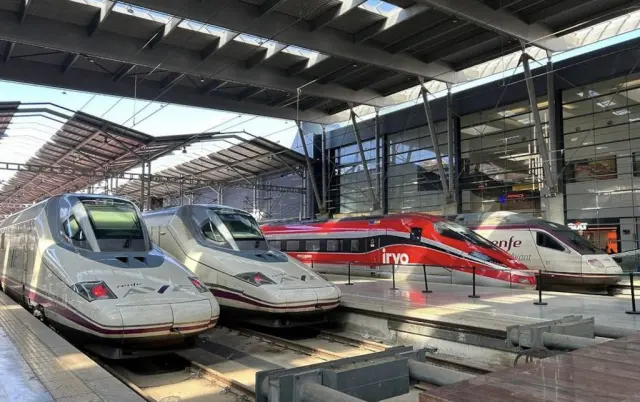
For travellers, the immediate relevance is confidence in Spain's high-speed network — one of Europe's busiest, linking Madrid, Barcelona, Valencia, Seville and Málaga. Renfe and other operators continue to run, but expect heightened safety scrutiny, possible delays on affected routes and an ongoing political debate about rail oversight in the run-up to the election. Anyone with a booking in the Toledo or Castilla-La Mancha area should check operator updates before travelling.