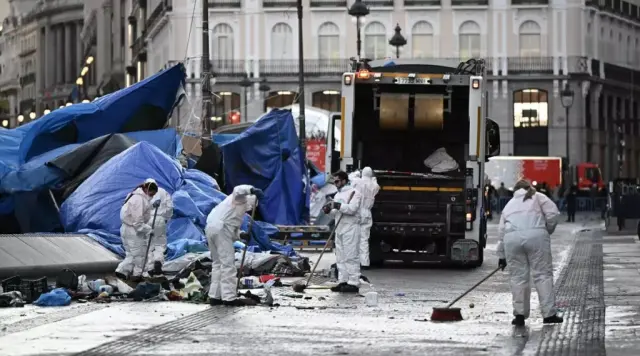
Anyone planning to travel between Madrid and Seville by train in the coming months should expect fewer departures. Spain's government has ordered a reduction in high-speed services on the corridor while a major safety overhaul is carried out following the 28 October collision near Urda, in Toledo province, which killed 69 people and left hundreds injured — 38 of whom were still in hospital when the measures were announced.
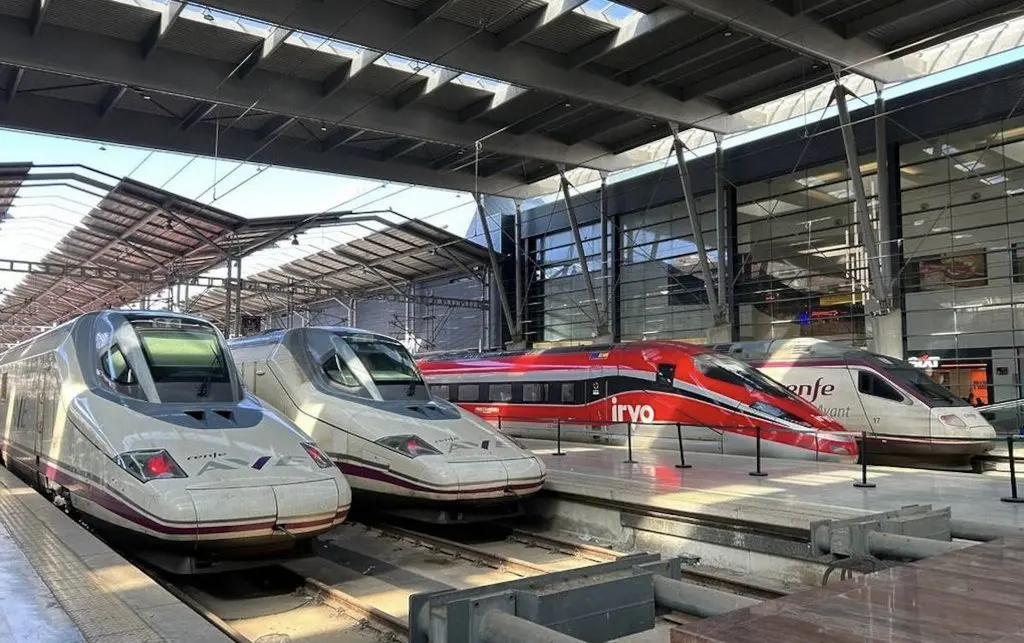
Transport Minister Óscar Puente laid out the plan after a cabinet meeting on 3 November. The core change: trains will run less frequently until a full safety review is done and the route switches to the newer ERTMS Level 2 signalling system, expected in early 2027. To keep capacity up despite fewer slots, Renfe will couple two train units together — a double-length service every 15 minutes roughly matches a single train every seven minutes. The move follows a failure of the older LZB signalling system on the morning of the crash, which is central to the investigation into how a Renfe AVE and an Iryo train ended up on the same stretch of track.
There are procedural changes too, and they go beyond this one line. Whenever automatic train-protection is unavailable, control-centre decisions will now need sign-off from a second human controller, not just the usual read-back confirmation between driver and controller. Renfe has also imposed a 40 km/h speed limit whenever the automatic safety system fails, and Iryo wants that rule extended to all operators.
The wider package includes new control-centre software with automatic warnings and electronic message logs, an extraordinary audit by the State Railway Safety Agency, better staff training and fatigue management, and plans for an AI-based monitoring system paired with a digital model of the high-speed network — something Puente admitted is largely uncharted territory. Experts will also look at train interiors, including enclosed luggage racks to stop bags flying through carriages in a crash; seat belts are not on the table for now.
One point travellers will welcome: the government is capping fares on alternative transport during the disruption. Some air and road fares reportedly spiked to eight or nine times normal levels after the accident, so a temporary price-cap mechanism will hold prices to a reference period while rail capacity is reduced.
For anyone with a Madrid–Seville trip booked, the practical read is this: services continue, but with longer gaps between departures and longer trains, so book specific seats in advance and expect buses or flights to be busier — though fare-gouging on those routes should now be controlled. The line itself is open and cleared, with investigators having completed a final sweep of the crash site. If your travel is flexible, consider that full normal service — and the new signalling — should return around early 2027.
Spain in English