Split has done something no other city its size can match. With a population of around 160,000, this Dalmatian port has produced 100 Olympic medals across 12 sports, standing on the podium at 20 consecutive Summer Games from 1948 to 2024. The roll call reads like a hall of fame: basketball's Toni Kukoč and Dino Rađa, tennis champion Goran Ivanišević, high jumper Blanka Vlašić, handball great Ivano Balić, judoka Barbara Matić.
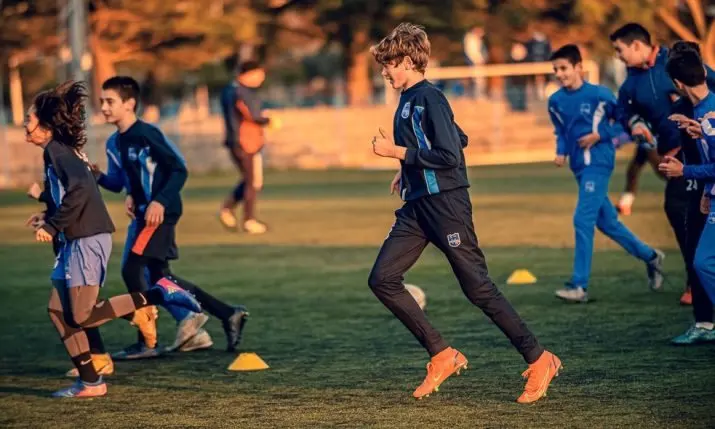
Now the University of Split has asked an uncomfortable question about how that talent gets found. A study published on 18 November 2026 in Frontiers in Sports and Active Living, led by Professor Dražen Čular, examined 37 young athletes from 21 clubs across 15 sports during the 2024–2025 season. The headline finding: the selected athletes had an average skeletal age roughly nine months ahead of their real age. Eleven were early maturers, 25 on track for their age, and just one a late developer.
The gap widened in power-heavy sports. Athletes in physically demanding disciplines averaged a skeletal age 1.14 years ahead of their birth age; those in technical, skill-based sports just 0.16 years. All 11 early maturers came from the power group — none from the technical one. In short, bigger, stronger kids are getting picked, and the sport you choose shapes how much that matters.
The study's favourite cautionary tale is Luka Modrić, reportedly rejected by Hajduk Split as a boy for being too small. He went on to win the Ballon d'Or and captain Croatia to a World Cup final. The researchers also spotted a relative age effect — 43% of the athletes were born between January and March, versus 11% between July and September — though the small sample means that figure is preliminary.
The proposed fix is bio-banding: grouping kids by biological development rather than birth year, so coaches can see skill instead of size. The authors are careful to note the study's limits — 37 athletes, no control group, no long-term follow-up — but the message is clear enough to travel: today's physique is not tomorrow's potential.
For visitors, this adds a fun layer to any Split trip. Football talk is unavoidable in a city split between Hajduk and its rivals, and sport is woven into everyday life along the Riva waterfront. Fans of Croatian sport can catch a Hajduk match at Stadion Poljud, wander streets that produced Ivanišević and Vlašić, and see why this compact Adriatic city punches so far above its weight — even if some future champions are, as the researchers suggest, still waiting to be noticed.