Visitors arriving at Tulum's Jaguar National Park by car may soon have a proper place to leave it. Grupo Mundo Maya, the company that manages the coastal park on Mexico's Riviera Maya, has filed for environmental permits to build a parking facility at the park's southern entrance — a project submitted through the Mexican Army, which oversees park operations, and now sitting with the Ministry of Environment and Natural Resources (Semarnat) for evaluation.
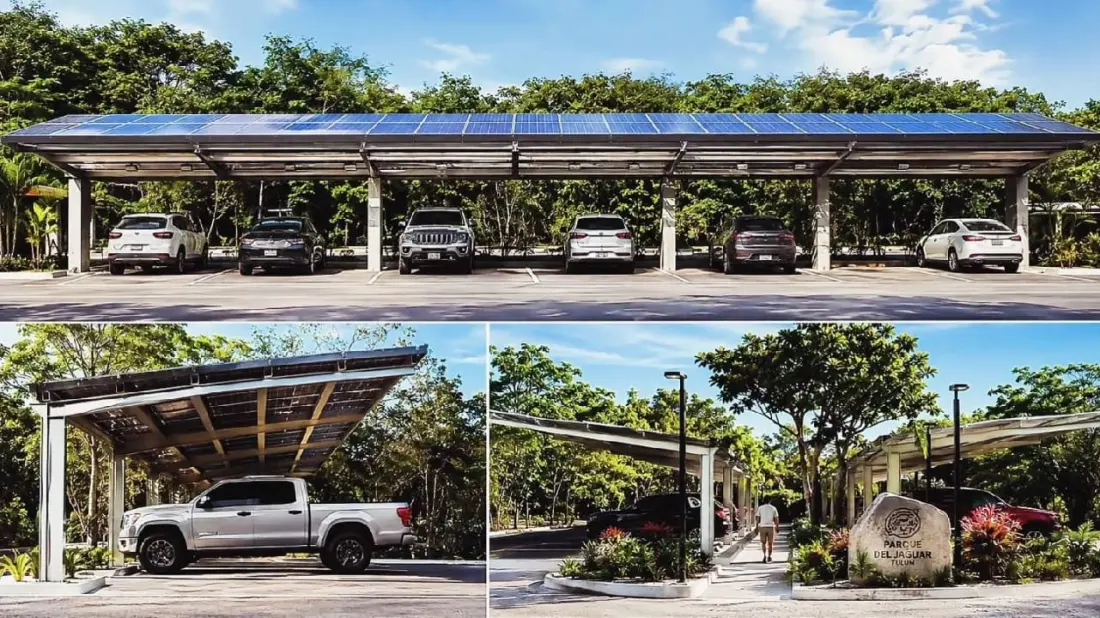
The plan is fairly modest in scale but practical. It calls for 158 spaces in total: 146 standard stalls, seven for people with reduced mobility and five for buses. Notably, 75 of those spaces would be covered by roofs fitted with solar panels, tying the new vehicular access into the park's broader sustainability push. The estimated price tag is 48.3 million pesos.
According to the project documents, the aim is to bring some order to how cars currently enter the park and to make it easier for tourists to reach the beaches and other facilities inside the grounds. If Semarnat signs off, the environmental impact study suggests construction would take roughly two and a half months — quick work by infrastructure standards.
For anyone who has visited Tulum's famous clifftop ruins, the logic is obvious. The park wraps around the archaeological site and its postcard-perfect beaches, and access has long been a friction point: limited parking, informal drop-offs and a walk-in system that can feel chaotic in high season. A designated southern entrance with organised parking — including dedicated bus bays for tour groups — should smooth out arrivals and spread visitor flow away from the busier northern side near the ruins.
Why should this matter to travellers? If you're planning a Tulum trip, the southern entrance could become the smarter way in for beach-focused visits, especially if you're self-driving or coming on an organised bus tour. The solar-panelled shade is a small but welcome touch in the Yucatán heat, where cars parked in full sun are a daily misery. And fewer cars circling near the ruins means a calmer experience once you're inside.
Nothing is approved yet, so anyone travelling in the near term should still plan around current access arrangements — arrive early, and expect queues in the December-to-April peak. But if the permit clears and the two-and-a-half-month build stays on schedule, this could quietly become one of the more useful upgrades to Mexico's most visited beach-and-ruins combo in years.