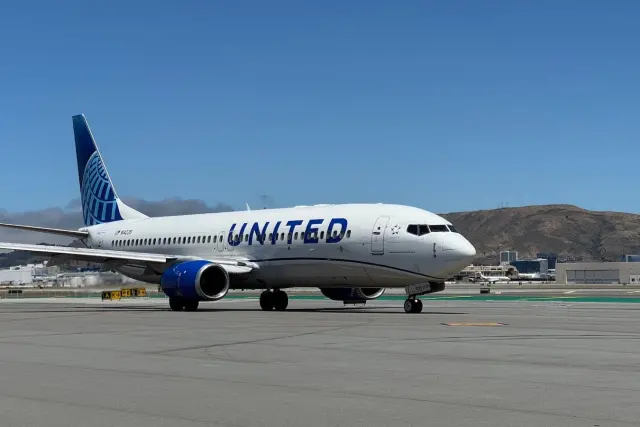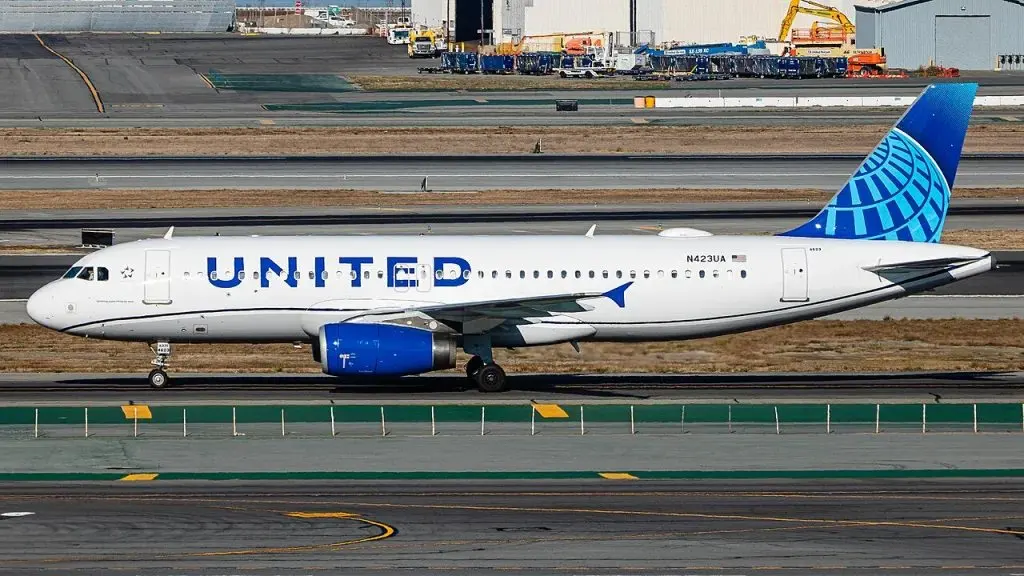
In-flight Wi-Fi has long been a punchline: slow, patchy, and often expensive. That's changing quickly, and satellite broadband from SpaceX's Starlink is at the centre of it. Skift reports that the technology has become a genuine selling point for US carriers — mentioned 24 times on United Airlines' latest earnings call alone.
United CEO Scott Kirby told investors that Starlink will be a "truly differentiating" driver of revenue in 2027, because the airline expects to be the only US global carrier offering Starlink at scale during that window. The idea is simple: fast, free internet in the air wins over customers, and customers win market share. United has already retrofitted roughly 44% of its fleet with Starlink and plans to complete installations by the end of 2027. Kirby was candid that low-earth-orbit Wi-Fi will eventually be industry standard for everyone — but the next couple of years are about being first.
The timing matters. Airlines are wrestling with high jet fuel costs and thin margins, and executives are looking for technology investments that pay for themselves through customer loyalty rather than ticket price hikes. Better connectivity is proving to be exactly that: passengers increasingly pick flights based on whether they can stream, work and message reliably at 35,000 feet, and Starlink's low-earth-orbit satellites deliver speeds that rival home broadband, without the dead zones of older air-to-ground systems.
For travellers, the practical takeaway is that free, high-quality Wi-Fi is shifting from a premium perk to a baseline expectation on US carriers. United's rollout is the most aggressive, but competitors will not sit still — JetBlue has long offered free Wi-Fi, and Delta has pushed free onboard messaging and investment in faster connectivity. Within a couple of years, the question "does this flight have decent Wi-Fi?" may largely disappear.
If you fly long-haul or work in the air, it's worth checking an airline's Wi-Fi situation before booking in 2026 and 2027, because the gap between carriers is unusually wide right now. Routes operated by retrofitted United aircraft get Starlink speeds for free; older aircraft on other airlines may still have sluggish paid connections. Seat maps and airline apps increasingly flag which aircraft have the new equipment, so a little homework before you book can mean the difference between a productive flight and a frustrating one.
The bigger picture: satellite internet is quietly becoming the new airline battleground, and the winners are passengers — who get better connectivity at no extra cost — well ahead of the 2027 finish line that United has set for itself.