Roughly 50,000 people died across European cities this summer as a result of the continent's relentless heatwaves — and researchers say two-thirds of those deaths trace back to human-driven climate change.
The study, led by Imperial College London and the London School of Hygiene & Tropical Medicine, looked at 854 urban areas in 30 countries — the EU plus the UK, Norway and Switzerland — between June and August. Together these cities hold around 173 million people, close to 40% of the combined population. By combining temperature records with historical heat-mortality data, and comparing real temperatures with those expected in a world without global warming, the team estimated 50,391 excess heat deaths, of which 32,619 were attributable to climate change.
That smashes the previous century record of 29,480 heat deaths set in 2022. In fact, the deaths caused by climate change alone this year outnumbered total heat deaths in any earlier summer since 2000. Nearly a third came in a brutal two-week stretch from 17 June to 1 July. Lead author Clair Barnes called it the worst summer on record for heat-related mortality in Europe.
Older people bore the brunt: those aged 85 and over accounted for roughly half of the deaths. But heat doesn't only kill the very old — more than 6,000 deaths were estimated among under-65s, including 833 people aged just 20 to 44. Mortality rates were highest in Malta, Italy and Hungary, while Italy, France, Spain, Germany and the UK saw the largest absolute tolls.
The human picture behind the numbers is stark. An emergency doctor in Naples reported a 15% jump in emergency visits during the hottest weeks, noting that poverty and isolation make elderly people especially vulnerable. Because heat is rarely listed on death certificates, many families never learn it played a role in a relative's death. Independent experts cautioned the figures are model-based estimates rather than confirmed death records, and the true toll may be higher still, since the study covered cities only and excluded rural areas.
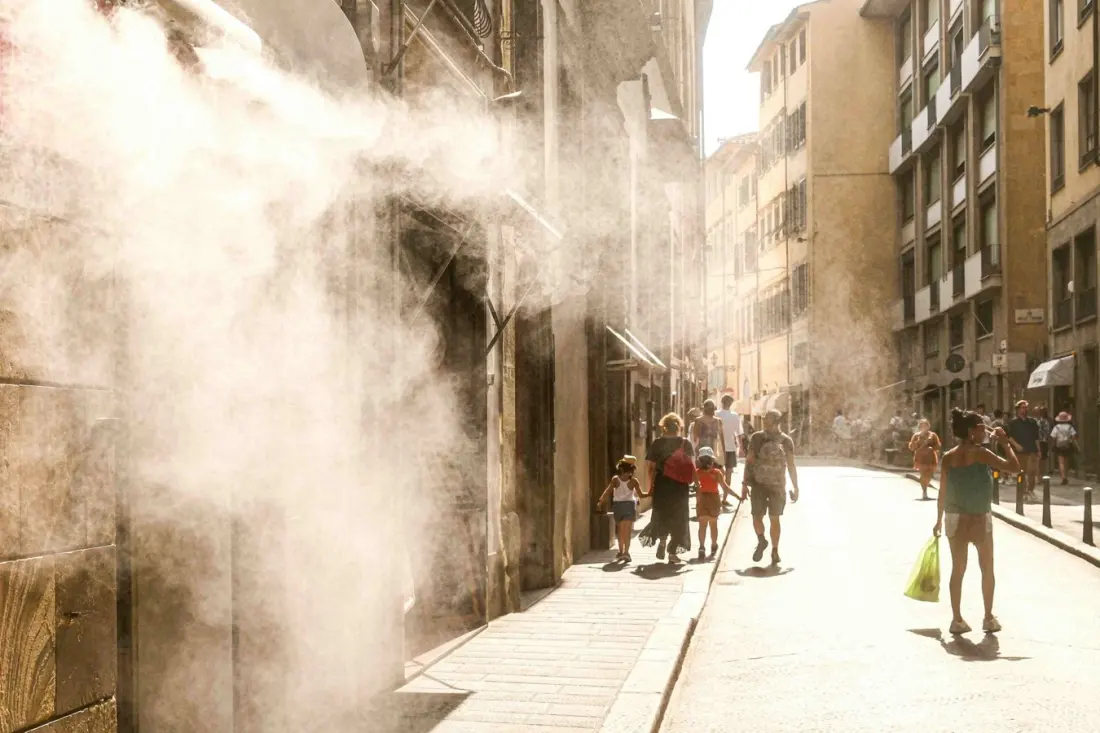
Why should travellers care? Because Europe's summer holidays are getting genuinely riskier. If you're planning a June-to-August city break — especially in southern Europe — build heat into the plan: sightsee early and late, book air-conditioned rooms, hydrate constantly, and check on older travelling companions, who face by far the greatest danger. Shoulder-season trips in May, September or October increasingly make more sense, both for comfort and for crowding.