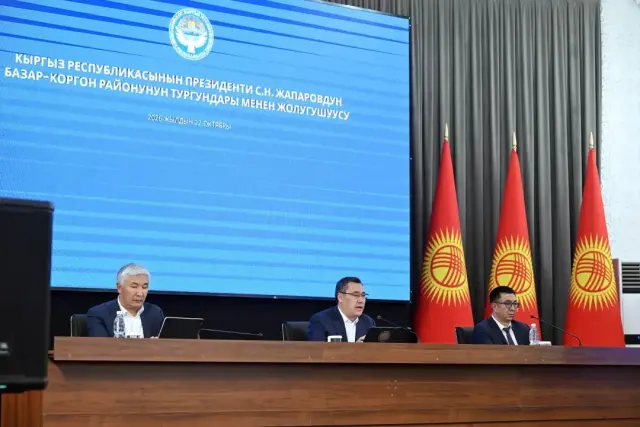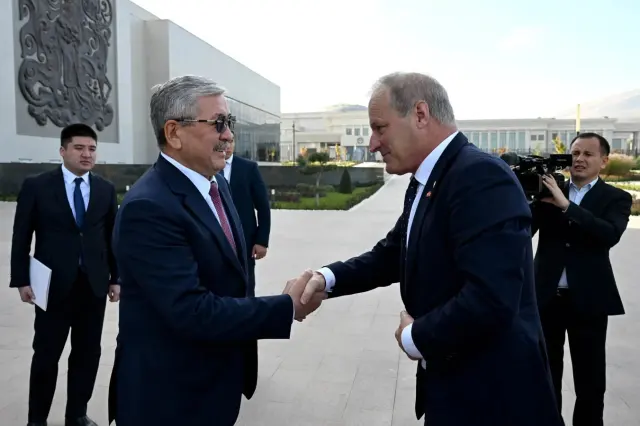
Kyrgyzstan has started wiring its most isolated corners into the modern internet. Twenty-five Starlink satellite terminals have been handed over to schools across the country, with Deputy Chairman of the Cabinet of Ministers Ulan Mamatkanov attending the ceremony. SpaceX provided the equipment free of charge, and the stated goal is simple: give students in remote and hard-to-reach areas the same high-speed access as their city peers.
The move follows a pilot project launched in 2025 to test satellite internet in the country. That trial went well enough for regulators to adopt permanent rules allowing satellite communication technologies to operate — a meaningful step in a country where much of the terrain is high mountain pasture and valley villages can be days from the nearest fibre line.
For Kyrgyzstan's government, this is about closing the digital divide. Mamatkanov framed it as a commitment to equal educational resources regardless of geography. But the implications stretch beyond classrooms. Anyone who has travelled the Song-Kul road or base-trekked around Ala-Kul knows how quickly phone signal disappears once you leave Bishkek and Osh. Satellite internet becoming a normal, legally supported part of the country's infrastructure hints at gradually better connectivity in exactly the regions travellers love most — guesthouses in remote villages, yurt camps, and mountain homestays could eventually offer links they never could before.
It also matters for a growing category of visitor: the remote worker. Kyrgyzstan has quietly built a name as a cheap, outdoorsy base for digital nomads priced out of Georgia or Portugal. Reliable satellite coverage in places like Jeti-Oguz or the Naryn region makes longer stays far more workable, blending alpine scenery with an actual video call that doesn't drop.
Kyrgyzstan itself remains one of Central Asia's most rewarding and affordable destinations: horseback treks to high-altitude lakes, the bustling Osh Bazaar, Soviet-era character in Bishkek, and Silk Road history scattered along the valleys. The country's rough edges — long minibus rides, patchy signage, thin infrastructure — are part of the charm, but better connectivity softens them for anyone nervous about going fully off-grid.
This is early days. Twenty-five terminals in schools won't transform a traveller's experience overnight, and mobile coverage will remain patchy in the high country for years. Still, for a nation whose biggest attraction is its remoteness, even a modest rollout of satellite internet is worth watching. It suggests the gap between posting a photo from a yurt camp and being out of reach entirely is starting to close — slowly, and on Kyrgyzstan's own terms.
For now, pack the offline maps, download your playlists before leaving Bishkek, and enjoy one of the few places where disconnection is still the default. Just don't be surprised if the next guesthouse you stay at mentions it has Wi-Fi after all.