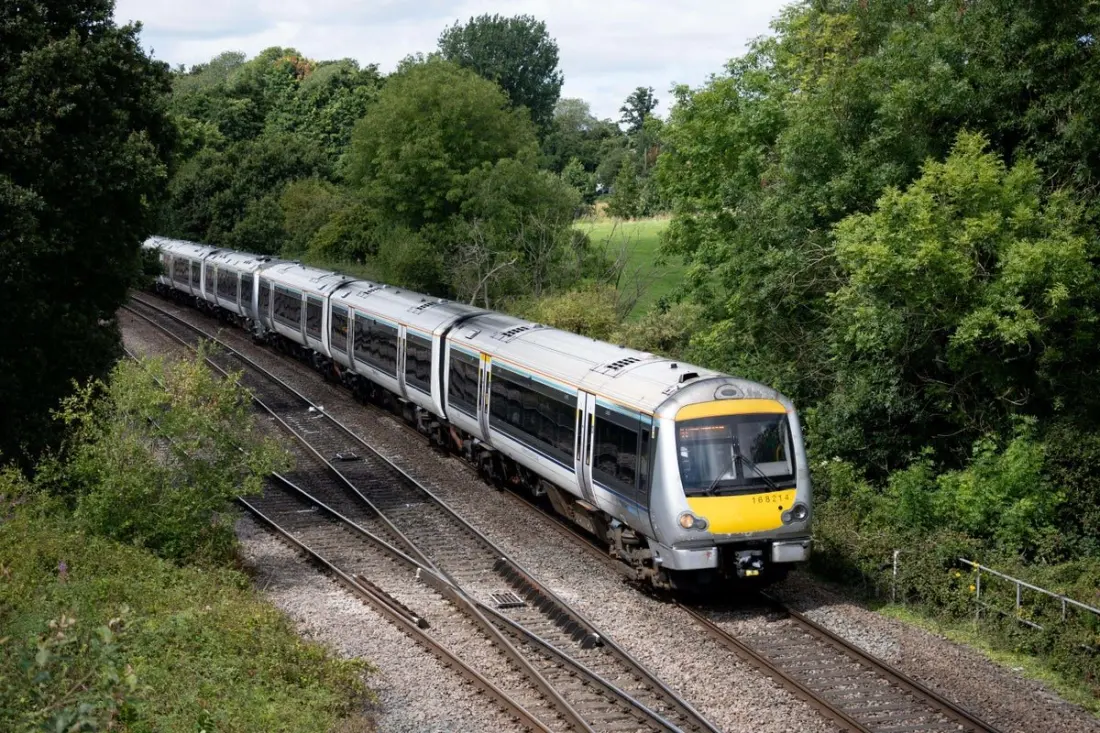
A rail project meant to finally reconnect two of England's most famous university cities is hitting another bump in the tracks. RMT members at Chiltern Railways have voted for two 24-hour strikes, scheduled for 10 and 17 October, in a dispute over driver-only operation (DOO) on the new East West Rail route between Oxford and Milton Keynes.
The £7 billion East West Rail scheme is the first phase of a much bigger plan: a direct train connection between Oxford and Cambridge, something that hasn't existed for decades despite the cities being barely 100 miles apart. Trains were originally supposed to be running over a year ago, but the opening has already slipped — first because of extra works at Winslow station, now because of the ongoing door-operation row.
The union argues that having drivers control the doors instead of train managers weakens safety and threatens jobs. RMT general secretary Eddie Dempsey called the plans a "significant risk" and accused Chiltern's management of ignoring safety concerns. The company and the Department for Transport see it differently: both point out that Chiltern has run most of its network with drivers operating the doors for decades, a model signed off by the independent rail regulator. Chiltern's interim managing director Tony Baxter has also promised that every East West Rail service will carry two staff on board — a driver plus a colleague handling tickets, assistance and passenger support — along with more than 100 new permanent jobs and no changes to existing roles.
For now, Chiltern expects to run the vast majority of its services on the strike days, with revised timetables to be confirmed closer to the time. The full Oxford–Cambridge connection, meanwhile, isn't expected until the mid to late 2030s.
Why does this matter for travellers? Anyone planning a trip to the Cotswolds, Oxford's museums or Cambridge's colleges has been promised a much easier overland route between the two cities, avoiding the current slog through London. But the repeated delays — and the prospect of disruption on the existing Chiltern network on strike days — mean it's worth checking timetables before booking anything around mid-October. The broader picture is also a familiar one for UK rail users: safety, staffing and door operation remain sticking points that can hold up even flagship infrastructure projects. Until the dispute is resolved, the dream of a direct cross-country university cities train stays parked in the sidings.
Story via The Independent Travel.