University and high school students across southeastern Europe are taking to the streets, and the unrest has turned volatile in places. If you have trips booked to Tirana or Athens this autumn, here's what's happening and how it might affect you.
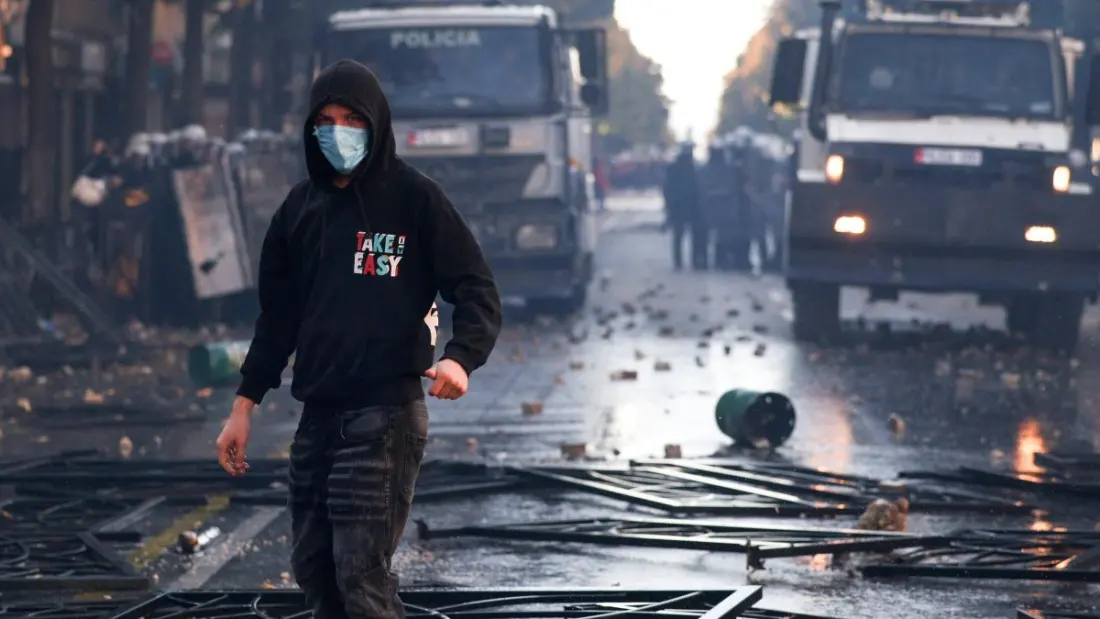
In Albania's capital, a demonstration outside the Education Ministry on Wednesday spiralled into some of the worst street violence the city has seen recently. Thirteen people were hurt, six of them police officers, and authorities detained 40 people after crowds damaged storefronts, targeted banks and stormed the municipal administration building in the city centre. Police responded with water cannons, tear gas and batons; five officers were later suspended over allegations they used disproportionate force and attacked bystanders. The student movement has merged with the broader 'Flamingo Revolution' — protests against a luxury Adriatic coastal development linked to Jared Kushner and backed by Prime Minister Edi Rama, which turned the local flamingo into an anti-corruption emblem. Demonstrators are calling for Rama's resignation after more than a decade in power.
Across the border in Greece, the mood is tense but peaceful. Scores of students pitched tents in Syntagma Square, right outside Parliament in central Athens, braving heavy rain for an overnight camp-out and concert. Their demands: rent caps, bigger housing subsidies and new state-run dormitories. The trigger is a housing crunch — rents for small flats have surged, and since flat-sharing is uncommon in Greece, students are competing directly with young couples, single-parent families and digital nomads for a limited pool of accommodation.
The wave echoes similar action in France, where high school students staged nationwide strikes and blockades over education funding and living costs. Behind it all is a familiar thread: young Europeans priced out of housing and squeezed by the cost-of-living crisis.
For travellers, the practical picture is fairly clear. Athens' Syntagma Square is the city's standard protest hub and sits on a major metro interchange, so expect occasional station closures or rerouted buses when rallies are on — they're usually announced in advance and rarely target tourists. In Tirana, avoid the area around Skanderbeg Square and the boulevards near the Education Ministry if another demonstration is called; clashes there have been genuine, not photo-op crowd control. Check local news or your hotel's front desk on the morning of any big protest date, keep a distance from bank branches and government buildings during marches, and you're unlikely to be caught up in anything. If anything, conversations with the students behind these movements are often the most memorable part of a trip to either city.