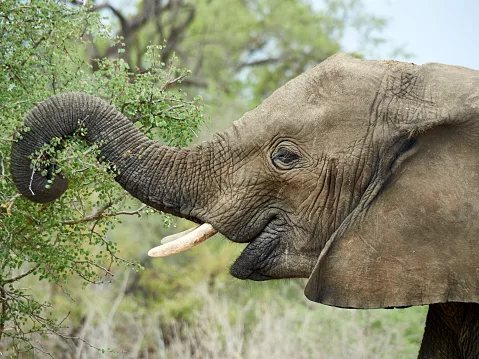
Elephants get blamed for flattening Kruger National Park's trees, but a new SANParks study paints a more nuanced picture. Using NASA's GEDI laser satellite system, researchers tracked woody vegetation across nearly two million hectares between 2007 and 2022 — and found the pachyderm effect is anything but uniform.
The team, led by vegetation dynamics scientist Dr Corli Wigley-Coetsee, worked with rangers to pinpoint 31 areas where tree cover had dropped and elephants were a suspected factor. Satellite data then confirmed woody cover declines in 19 of them, with most also losing trees taller than five metres. Yet across the park as a whole, roughly a third of Kruger actually gained at least 2.5% in woody vegetation over the 15-year window.
The pressure points are predictable once you know what to look for. Seasonal rivers, perennial rivers where floods wash away established trees, and fire-scorched zones bore the brunt. In floodplains, heavy browsing of seedlings and saplings means young trees often never reach maturity — so big, old trees vanish without replacements coming through. That matters beyond the trees themselves: large trees provide shade, habitat and nesting sites for a host of other wildlife.
Tree species respond very differently, too. Marula and knob thorn come off worst — they grow slowly and struggle to regrow after elephants strip bark, snap stems or push trunks over. Silver-cluster leaf and red bushwillow bounce back with fresh growth, while sjambok pod and tree wisteria are largely left alone. Severe damage can also leave surviving trees more exposed to fire and drought.
So are there too many elephants in Kruger? The researchers argue the question is too blunt. Elephant pressure is genuinely too high in some vulnerable spots, while vegetation thickens elsewhere — the outcome depends on local vegetation type, fire history and flooding. Their suggestion is targeted, flexible management rather than a single park-wide number: protect the vulnerable big trees where it counts, and let the system stay varied and resilient.
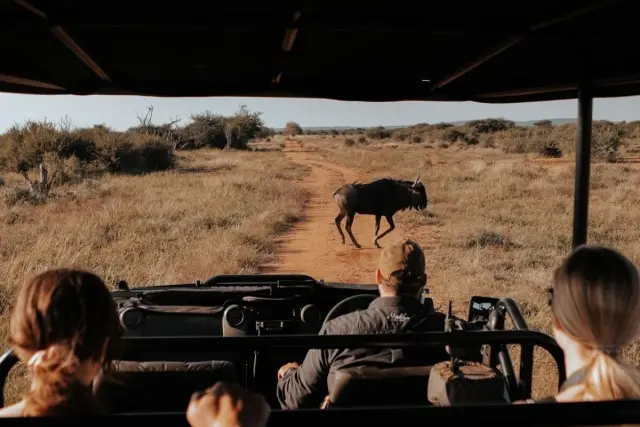
For travellers, this is worth knowing before your next self-drive or guided safari. If you want to see big marulas and knob thorns — and the birds and mammals that depend on them — riverbanks and recently burnt areas are where change is happening fastest, and where you'll notice elephants actively reshaping the veld. It also reframes what you see on game drives: a pushed-over tree isn't simply destruction, it's one force in a constantly shifting habitat. For anyone interested in conservation travel, the study is a good reminder that the story behind a scene in Kruger is usually more complicated than it looks.