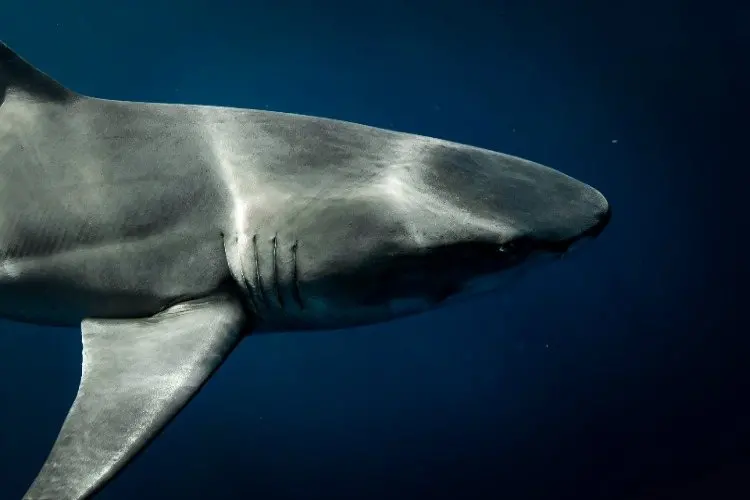
Sharks perceive the ocean in ways that make our five senses look a bit pedestrian. They detect the electrical fields produced by the muscles of hidden prey, sense vibration through a lateral line running the length of their bodies, and can smell a drop of blood across remarkable distances. If that sounds like your kind of trivia, Dive Magazine has just launched a new quiz that asks exactly how well you understand the way sharks experience the underwater world.
The quiz, published on 15 October, is a quick one — about a minute of reading time — and mixes true-or-false statements with multiple-choice questions. It is pitched at anyone curious about sharks rather than at marine biologists, so it works as a fun warm-up before a dive trip or a bit of seat-of-your-pants learning on a long flight to the reef.
Why bother with shark senses at all? Because if you dive with sharks — or plan to — understanding how they perceive you changes how you behave in the water. Sharks' electroreception, delivered through jelly-filled pores called ampullae of Lorenzini, lets them pick up the tiny electrical signals every living animal gives off. Their hearing is tuned to low-frequency vibrations, which is why erratic splashing draws attention. And their sense of smell, while often exaggerated in films, is genuinely sharp. Knowing a few of these facts makes encounters feel less like luck and more like informed observation.
It is also a nudge towards a broader truth for travelling divers: shark tourism, done responsibly, is one of the strongest arguments for protecting these animals. Destinations from the Bahamas to South Africa to Palau have built thriving dive industries around encounters with species ranging from reef sharks to great whites, and the more divers understand shark behaviour and biology, the better those encounters tend to go — for both parties.
So who is this for? Anyone with a dive trip on the horizon, shark enthusiasts who want an easy way to test their knowledge, or travellers who simply enjoy a minute-long brain teaser with a marine twist. It is not a certification course and it will not replace a good briefing from a local divemaster, but as a fast, free way to check whether you have been paying attention on shark dives, it does the job. If nothing else, you will come away with a couple of facts worth dropping on the boat between dives.