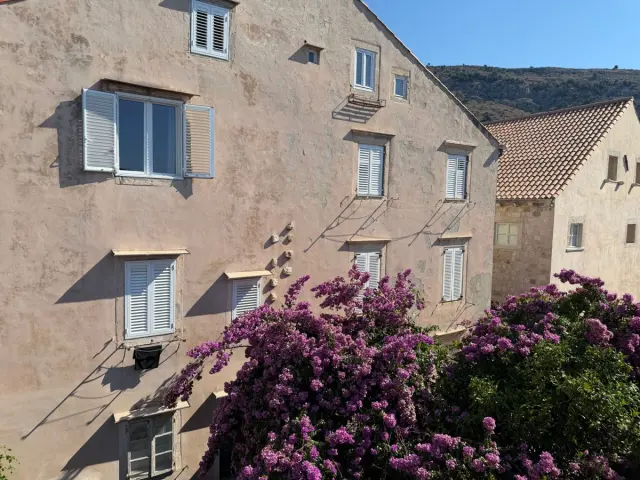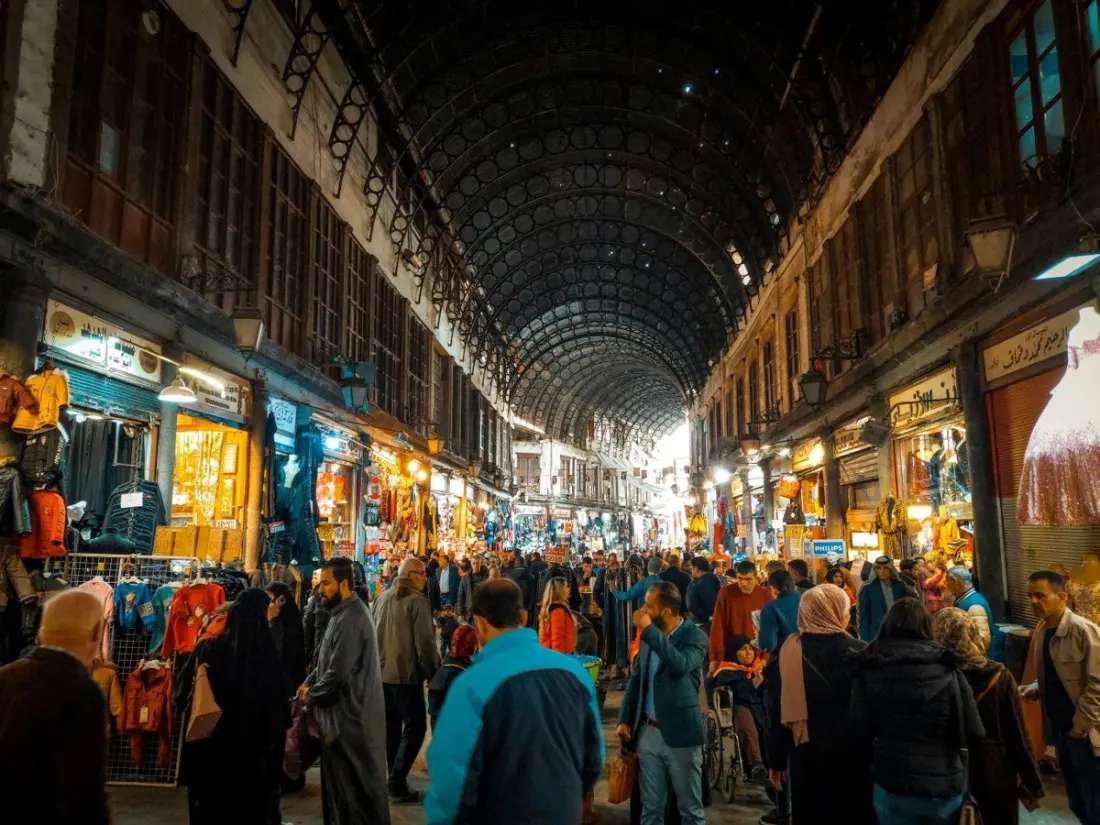
Big-name hotel groups are circling Syria again. Accor, Wyndham and Minor Hotels are all weighing projects in the country as it tries to rebuild a tourism industry shattered by more than a decade of civil war. Nothing is signed on the dotted line for most of them — Accor says it's in advanced talks on two projects, while Wyndham's EMEA president expects a first signing soon, with Damascus and the coast on its radar. Minor Hotels is looking at turning historic Damascus buildings into boutique properties, a model the city's traditional courtyard homes have quietly proven for decades.
The pipeline of interest goes well beyond hotel rooms. UAE developer Eagle Hills signed a framework deal in early October for a 10 million square metre scheme in Damascus and a 4.3 million square metre project in Latakia on the Mediterranean, and fellow UAE firm Arada has floated a $7 billion development. These are frameworks, not finished projects — but they signal how seriously regional investors are taking Syria's 'Syria 2030' push on tourism, jobs and digital payments.
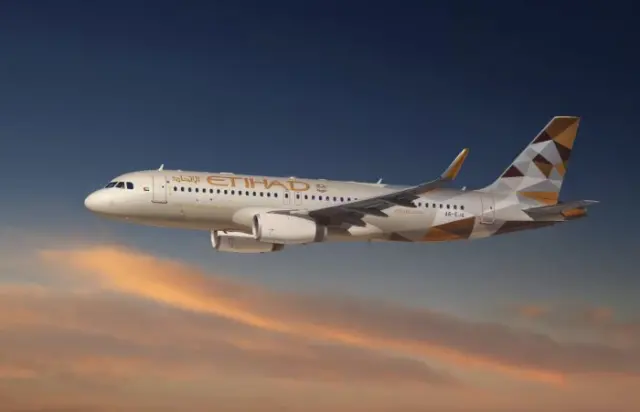
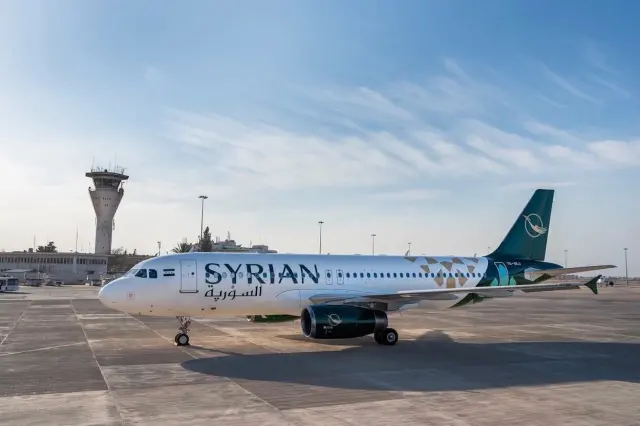
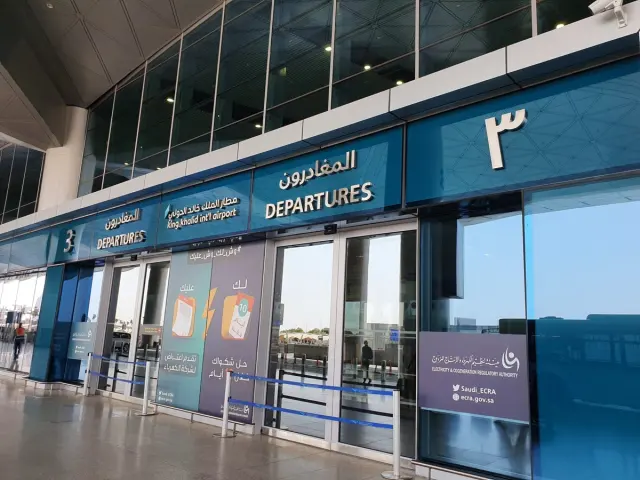
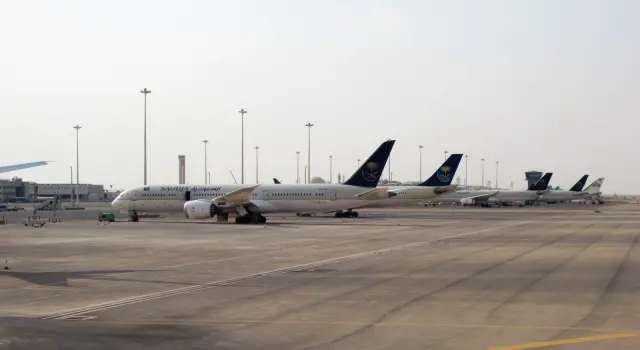
Visitor numbers are climbing fast, though the mix matters. The government counted 3.52 million arrivals in the first half of 2026, more than double the year before — but roughly 2.13 million of those were Syrian expatriates coming home. Around 660,000 came from Arab countries and about 720,000 from elsewhere. Air links are improving too: Qatar Airways and flydubai already fly to Syria via their Gulf hubs, and Etihad announced plans in October to go daily on Damascus from four weekly flights.
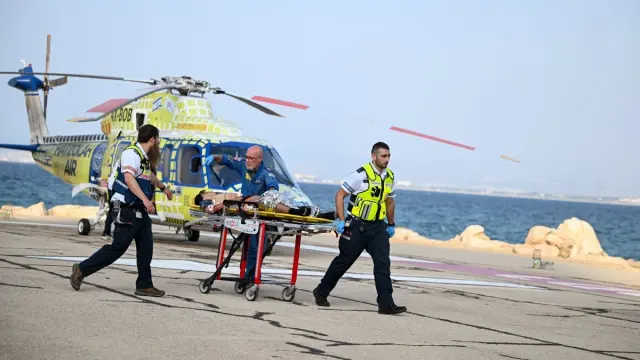
So is Syria back on the holiday map? Not quite yet. Violence still flares in parts of the country, the US State Department continues to advise its citizens against travel, and some Damascus suburbs have protested against government-backed megadevelopments. On the ground, the practical friction is real: card payments barely work outside a handful of locations (Visa and Mastercard only announced plans to launch in September), and the hotel stock is dated — Minor's regional COO described existing inventory as 'very tired' after years off the grid. The World Bank pegs total reconstruction costs at $216 billion.
For now, this is a story to watch rather than a destination to book. If you have family ties in Syria or you're the sort of traveller who thrives on visiting places before the chains arrive, improved flight connections make getting there easier than it has been in years. For everyone else, the sensible play is to follow the news, wait for the security picture to stabilise, and dream about those Damascus boutique hotels — the first Wyndham signing may well be the signal that the country is genuinely open for business.