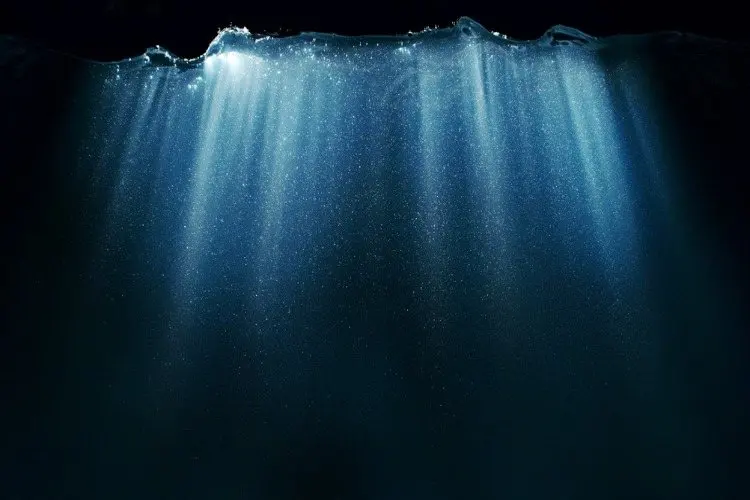
The team at Dive Magazine has launched a quick new quiz all about the ocean's layers — from the warm, sunlit surface waters right down to the crushing darkness of the deepest trenches. It takes about a minute to complete, and it's aimed at anyone curious about what actually happens as you descend below the waves.
It might sound like schoolroom science, but the way the ocean is stacked into distinct zones is genuinely useful knowledge for travellers who get in the water. The layer you're swimming in shapes everything about the experience: how much light there is, what marine life you're likely to encounter, and how conditions change with depth.
The sunlit upper layer — where nearly all photosynthesis happens — is where snorkellers and most recreational divers spend their time. It's packed with coral reefs, reef fish, and the majority of sea life people travel to see. Below that, light fades fast. The twilight zone is where colours start to disappear and creatures begin looking stranger; technical divers and deep reef specialists venture here deliberately, often on dedicated liveaboard trips. Further down lies the midnight zone, a pitch-black world where fish make their own light through bioluminescence. And at the very bottom are the trenches — deeper than Mount Everest is tall, and visited only by a handful of explorers in submersibles.
Why does this matter for your holiday planning? If you're booking a dive trip, understanding these zones helps you match your certification level to what you'll actually see. An open-water diver in the Maldives or the Red Sea will spend most of their bottom time in that bright top layer, and that's where the reefs are. Anyone chasing deeper thrills — wall dives, wrecks sitting below the recreational limit, blackwater night dives over the twilight zone — will need advanced or technical training, or should look for operators offering experiences like submersible tours or deep-reef excursions.
Even if you never go below the surface, the quiz is a fun bit of prep before a trip heavy on marine life — whale-watching in Azores, snorkelling in Palau, or a cruise over the Mariana region, where the deepest trench in the world lies below. Knowing why the ocean darkens, cools and changes pressure as it deepens gives you a better feel for what you're looking at, and why some of the ocean's most remarkable animals live where no sunlight ever reaches.
You can take the quiz directly on Dive Magazine's site — it's short, free, and a decent test of whether you really know your twilight zone from your abyssal plain. Consider it a warm-up for your next dive briefing.