Everyone books the Maasai Mara. Around 300,000 visitors head there each year, jostling vehicles for a view of a lion in the distance. Ninety per cent fewer travellers make it north to Samburu National Reserve – and after seeing what it offers, it's hard not to wonder why.
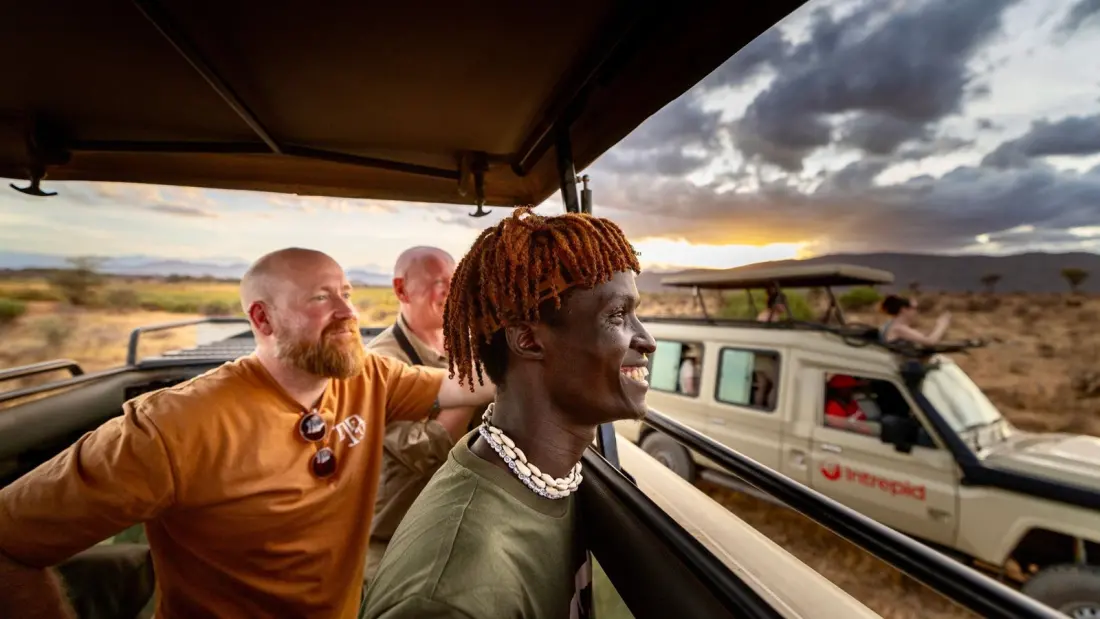
This mountain-fringed, semi-arid reserve in northern Kenya has its own cast of animals, collectively known as the Special Five. Alongside elephants and lions, you'll spot endangered Grevy's zebras (narrower stripes that stop above the belly), reticulated giraffes with bold polygonal patterns, Somali ostriches, beisa oryx and the gerenuk – a long-necked antelope that stands on its hind legs to feed. With bush and acacia covering the terrain, you never quite know what's around the next bend, and drivers from rival lodges swap tips on animal sightings rather than racing each other to them.
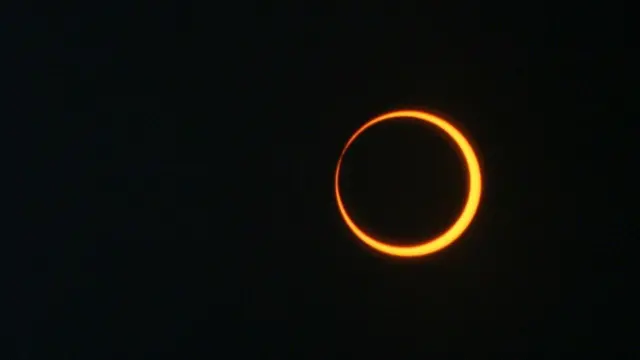
Samburu has another trick: the sky. The reserve sits less than 100 miles from the equator, giving visitors a rare chance to see constellations from both hemispheres at once, and the dry climate delivers exceptionally clear nights. Optional stargazing sessions at Samburu Sopa Lodge come backed by serious local knowledge – the Indigenous Samburu have read the skies for generations, treating Venus as a ancestral guide and the moon, Lapa, as a protector. Local tradition holds that the Samburu identified Sirius as a binary star system long before telescopes confirmed it. The lodge now runs a planetarium built in the style of traditional Samburu huts, working with astrotourism partner Leo Sky Africa.
The community element runs deeper than a cultural add-on. Roughly half the lodge's staff come from the nearby village, which also gets free access to the clinic, water supply and school meals. In the on-site bead shop, run by local artisan Rose Lekakwar, visitors can learn the difference between a sayen necklace (unmarried women) and a sengaen bracelet (married) – or sit under a tree and try beadwork and goat-milking themselves.
Wildlife conservation here is locally led too. Save the Elephants, the research nonprofit based in the reserve, has wiped out poaching in the area over the past two years. Community women known as Mama Tembos monitor elephant corridors, while Samburu researchers track and name individual elephants, often joining game drives to record every sighting. The result is a safari where wildlife viewing feels connected to something real rather than a box-ticking exercise.
Samburu topped Intrepid's Not Hot List for 2027 as a low-crowd alternative for travellers who want their tourism dollars to support the places they visit. Intrepid's new Kenya Safari Adventure pairs it with the Maasai Mara, so you get the famous migration theatre plus this quieter, more personal northern reserve.
Who's it for? Anyone who's done (or balked at) the Big Five circuit and wants fewer vehicles, rarer animals and genuine cultural exchange – plus some of the best stargazing on the planet thrown in after dark.