Salmon fishing is one of those holidays where the setting does half the work: wilderness rivers, old port towns, and water cold enough to make you respect every catch. A new roundup from Islands has pulled together ten of the best salmon spots in the United States, drawing on guides like King Salmon Lodge and Riptidefish, state wildlife agencies, and plenty of angler chatter. The short version: if you want a trip with a real prize at the end of it, these are the waters to plan around.
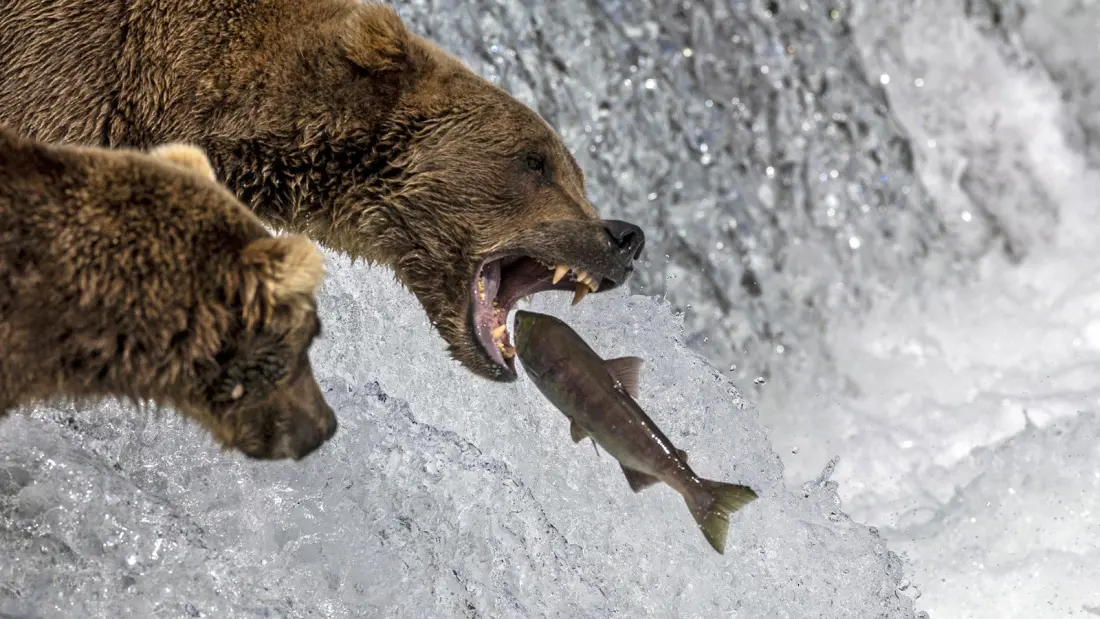
Alaska takes the top billing. Bristol Bay in the southwest is a near-roadless sprawl of tundra and braided rivers where you fly into Dillingham or King Salmon from Anchorage, then hop a bush plane to a gravel strip in the middle of nowhere. It's the planet's largest sockeye fishery, with millions of reds flooding in every summer — runs peak early to mid-July — plus all five Pacific species and a genuine shot at a 50-pound king on the Nushagak. The Kenai River, meanwhile, holds eight of the ten world records for king salmon, including Les Anderson's legendary 97-pound, 4-ounce fish from 1985. Kings run there twice a year, from mid-May to mid-June and again July to mid-August, with sockeye averaging a chunky 8 to 12 pounds.
Down in the Lower 48, Washington's Puget Sound packs 1,330 miles of shoreline into an inland sea where you might spot orcas between casts. Chinook arrive in June and peak in July and August; note that wild chinook are protected, so only hatchery fish with clipped fins can be kept. In Astoria, Oregon, the Buoy 10 fishery at the Columbia River mouth draws huge crowds each August and September for chinook and coho — the spot sits near the infamous "Graveyard of the Pacific," so check weather warnings before crossing the bar.
New York offers a Great Lakes twist. The 17-mile Salmon River near Pulaski holds both the Great Lakes chinook record (47 pounds, 13 ounces) and the world-record coho (33 pounds, 4 ounces), with fall runs peaking mid-September into October and twelve miles of public bank access. Lake Ontario itself gets stocked with around 1.7 million chinook a year, while Lake Michigan — bordered by four states — serves up hard-fighting spring coho and big chinook through summer.
Why should a traveller care? Because these are trips worth building a whole holiday around, not an afternoon's afterthought. Each spot pairs the fishing with something else worth the flight: bear-dense wilderness, Victorian port towns, Seattle's skyline from a kayak, or upstate New York's antique shops between runs. Do check seasons and catch rules before you go — runs are tightly timed and regulations change — and book guides early for Alaska, where the calendar is short and demand is high.