South Africa's coastline runs for thousands of kilometres, yet most summer crowds squeeze onto the same handful of spots: Camps Bay, Umhlanga, Ballito, Plettenberg Bay. A recent roundup highlights ten beaches that stay wonderfully quiet — and honestly, some of them are the most striking stretches of sand in the country.
Up in northern KwaZulu-Natal, Mabibi sits inside the iSimangaliso Wetland Park, backed by coastal forest and dunes with clear Indian Ocean water in front. The area is known for marine life and turtle nesting, though conservation rules apply and access takes some planning — check road conditions and accommodation before you go. Further up towards the Mozambique border, Kosi Bay delivers a near-tropical scene of interconnected lakes, estuaries and mangroves, all within the same UNESCO World Heritage Site. It's not a quick stop; give it proper time.
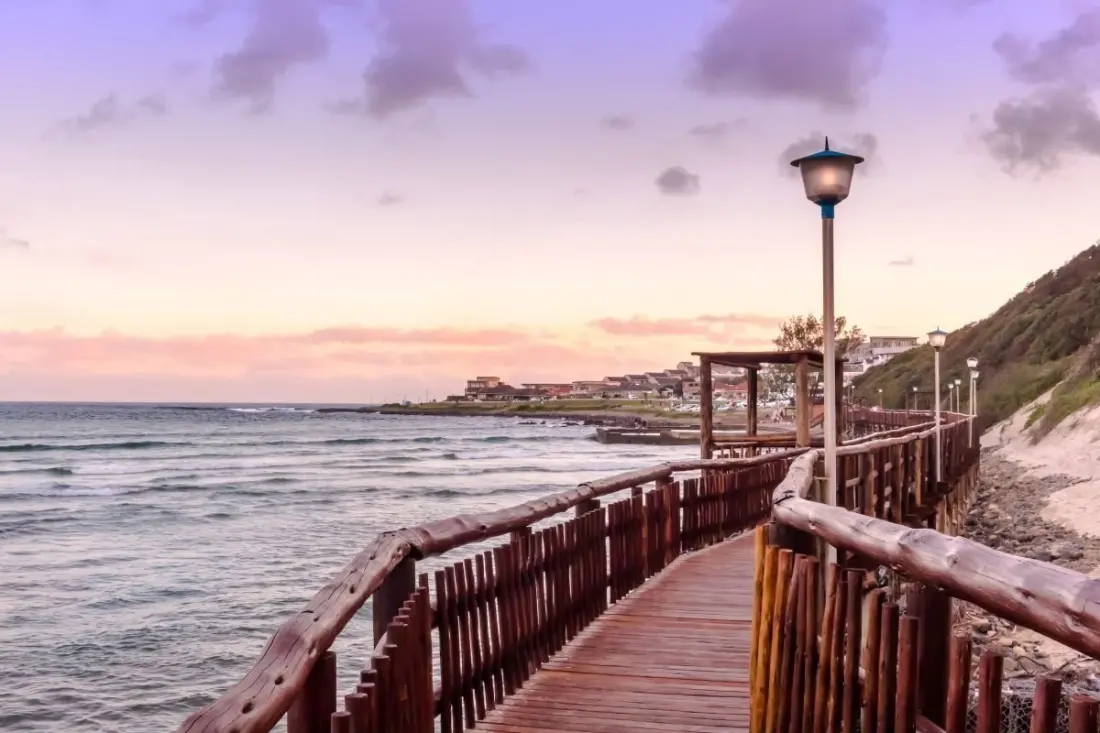
The Wild Coast in the Eastern Cape offers the country's most dramatic shoreline. Mbotyi, near Lusikisiki, pairs a long sandy beach with rolling green hills and nearby waterfalls, while Mzamba further north is worth a stop for its unusual sandstone formations. Hamburg, about 90km from East London at the Keiskamma River mouth, is a low-key settlement where the appeal is canoe trails, hiking and fishing rather than nightlife. Closer to East London itself, Gonubie combines a river mouth, boardwalk and sandy swimming beach — popular with locals but largely off the national radar.
KwaZulu-Natal's North Coast has two quieter alternatives to the Ballito strip. Zinkwazi has a lagoon that draws birdwatchers plus a laid-back village feel, and Blythedale, between Ballito and the Tugela River, offers a long beach without the resort bustle. On the West Coast, the small village of Strandfontein (not the Cape Town beach of the same name) has sweeping ocean views and far fewer visitors than better-known West Coast towns.
Perhaps the most photogenic of the lot is Noetzie, just outside Knysna on the Garden Route. Stone castles built along the shoreline give it a storybook quality, and forest and cliffs frame the beach. Fair warning: getting down involves a walk, and access arrangements are worth checking in advance.
The catch with all of these is exactly what keeps them special — less development means fewer lifeguards, limited public facilities and, in places, rough roads. Ask about swimming conditions and safety locally, especially along the Wild Coast, and sort out accommodation ahead of time rather than arriving on spec. If you're happy trading convenience for empty sand, these ten deliver a side of the South African coast most visitors never see.