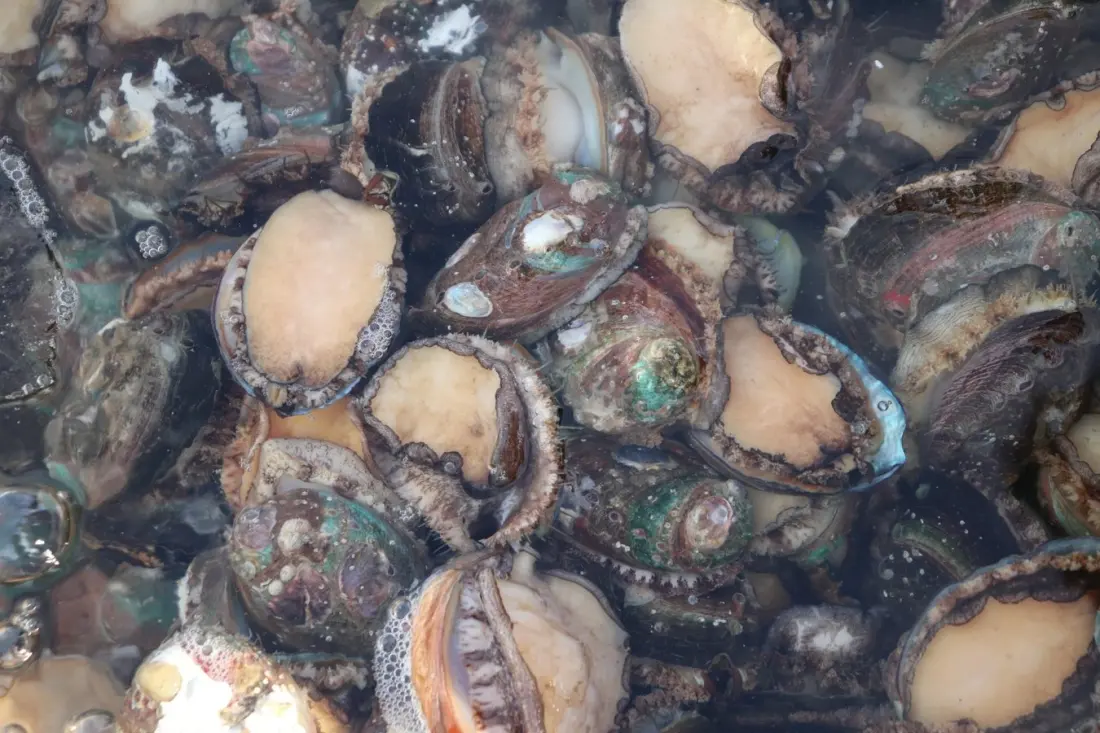
Police in Gqeberha seized 1,935 illegally harvested abalone — about 207kg worth an estimated R365,500 — during a late-night operation in Algoa Park on 3 November. Officers from the SAPS K9 Unit and Flying Squad tailed a speeding Volkswagen Polo to a parking area on Kamdebo Street, then found bags of the shellfish on the back seat. A 21-year-old man was arrested and charged under the Marine Living Resources Act, and police also confiscated the car, a scale and shucking tools used to strip the molluscs from coastal reefs.
The bust is a snapshot of a much bigger issue. Dark Water Ops, a private anti-poaching outfit working with law enforcement along the Nelson Mandela Bay coastline, estimates the illegal trade is worth around R1.2-billion a year. In 2024 alone the team recovered more than 64,000 units of wet abalone valued at roughly R56.2-million. In recent weeks it has pulled between 700 and 1,000 poached abalone from its patrol area, plus hidden stashes near Noordhoek and Schoenmakerskop.
Operations manager Dave Knoop told Daily Maverick that while diving teams of 30 to 50 poachers were once seen working reefs at a time, activity appears to have shifted to other stretches of coast, including reefs near Bushy Park and waters around Bird Island. Fewer sightings, in other words, don't mean less pressure on the marine ecosystem — the trade has simply moved along.
Anti-poaching teams expect things to get worse before they get better. Demand for abalone in Asian markets spikes around major celebrations, and Chinese New Year falls in February 2027. Combined with calmer summer seas that make reefs easier to reach, that could drive a sharp rise in harvesting in the coming months.
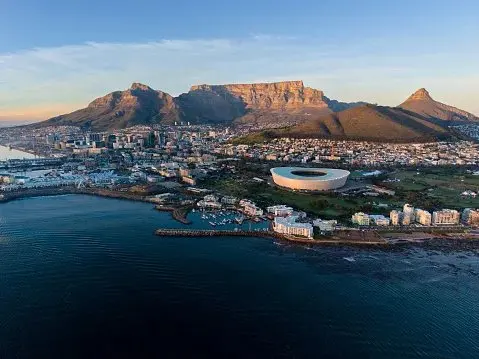
Why should holidaymakers care? The Eastern Cape coast around Gqeberha — Algoa Bay, the Sundays River valley and the routes up to Addo — is popular with road-trippers, divers and beach lovers. Abalone (locally called perlemoen) is a protected species, and buying or transporting it is a criminal offence. Travellers should also be aware that poaching activity can bring crime to otherwise quiet coastal spots, so sticking to patrolled beaches and popular reserves is sensible. The story is also a reminder of how fragile the region's marine ecosystems are: responsible choices by visitors, from avoiding illegal seafood to supporting licensed operators, genuinely help the people trying to protect this coastline.