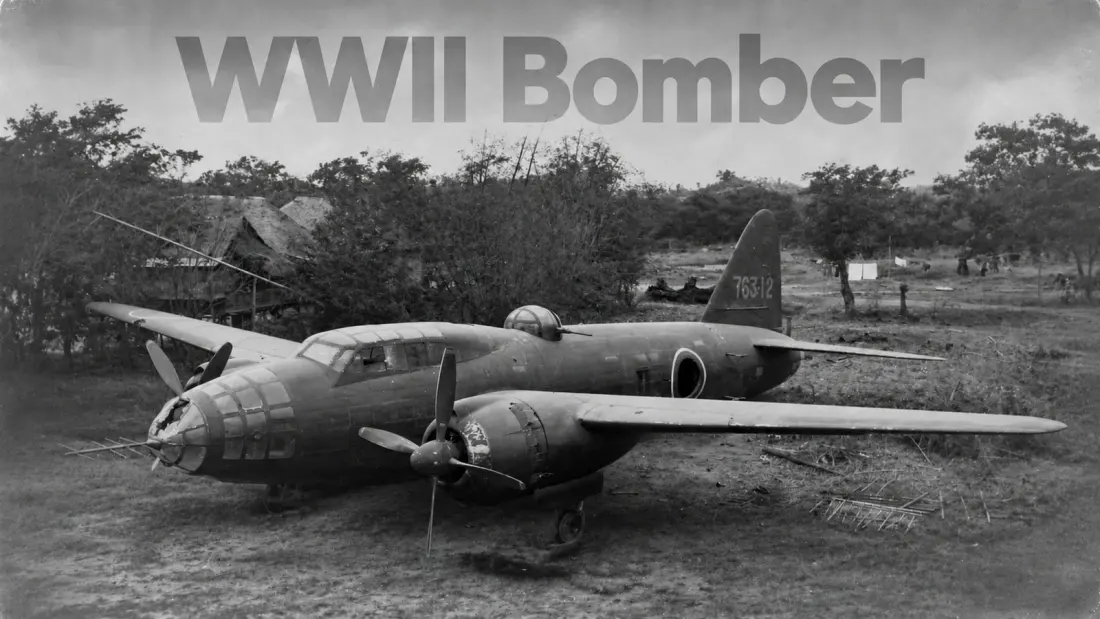
On the Pacific island of Yap, a short walk from the working international airport, two very different aircraft lie abandoned in the jungle just metres apart: the remains of a Japanese Mitsubishi G4M 'Betty' bomber from the Second World War, and the burnt-out tail of a Continental Air Micronesia Boeing 727 that crashed there in 1980. The 727, landing short of runway 07 on a flight from Saipan to Palau, skidded into the trees about 1,700 feet past its touchdown point and stopped a few feet from destroying the bomber wreck entirely. All 73 people aboard escaped within about a minute, but the airport fire truck arrived with no water, and the aircraft burned out completely.
Yap, now part of the Federated States of Micronesia, was Japanese territory during the war. The US Navy decided against invading and instead bombed and bypassed the island, leaving a surprising amount behind. One aviation writer who visited in late 2026 found around seven Japanese wrecks around the old airfield, including four Mitsubishi Zeros, a Nakajima B5N torpedo bomber, plus US remains: Corsair engines, a Hellcat, an Avenger, and B-24 propellers. Several propellers have been relocated over the years, some displayed at homes and two at the hangar of Pacific Missionary Aviation, a charity airline serving the outer islands.
The Betty bomber is the standout. It's the only Japanese wreck on the island with its own information plaque, though algae has made the text unreadable. Remarkably, the cockpit is still intact, with both pilots' seats and much of the control panel preserved, along with a good part of the tail and a propeller. The Boeing 727, meanwhile, is essentially down to its tail section and scattered debris, with the tail engine's air intake still intact enough that local children reportedly use it as a slide.
Access isn't formalised: the old airfield is private property, and visitors should ask residents before exploring. Signs are patchy or gone entirely, and the writer only found the 727 and Betty with help from Amos Collins, a volunteer pilot with Pacific Missionary Aviation. The overgrown old airstrip now doubles as a potholed village road, and the bomber site sits roughly a third of the way along it.
There's also a strange modern coda. The US has approved funding to significantly expand Yap International Airport as part of its strategy to disperse aircraft from Guam in a potential conflict with China. Yap's warplane story, it seems, may not be finished.
For travellers interested in WWII history, aviation archaeology, or genuinely off-grid Pacific exploration, Yap offers a rare combination: reachable by scheduled flights, yet wild enough that wrecks sit unmarked in living jungle. Go with a local guide, ask permission, and bring insect repellent and sturdy shoes. Simple Flying