A storied Bangkok hotel has just finished the biggest overhaul of its four-decade life. Anantara Siam has completed a US$50 million (about $70 million) transformation, redoing all 335 rooms, suites and villas along with the spa, gym and event spaces - and the timing says a lot about where Bangkok's hotel scene is heading.
The building's pedigree is unusual. It opened in 1983 as a Peninsula, only the third city in the world to get one after Hong Kong and Manila. Designed by hotel architect George Wimberley across from the Royal Bangkok Sports Club, it had the brand's signature grandeur: a soaring lobby, oversized rooms, teak, silk, lotus ponds and garden courtyards. But its Peninsula days were brief - it became The Regent Bangkok in 1985, then a Four Seasons in 1994 (renamed 2003), and joined Anantara in 2015 as Anantara Siam.
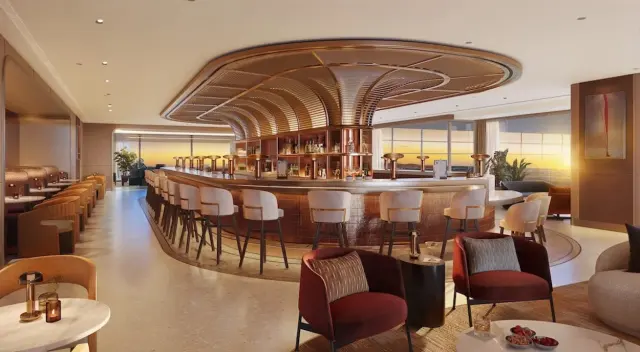
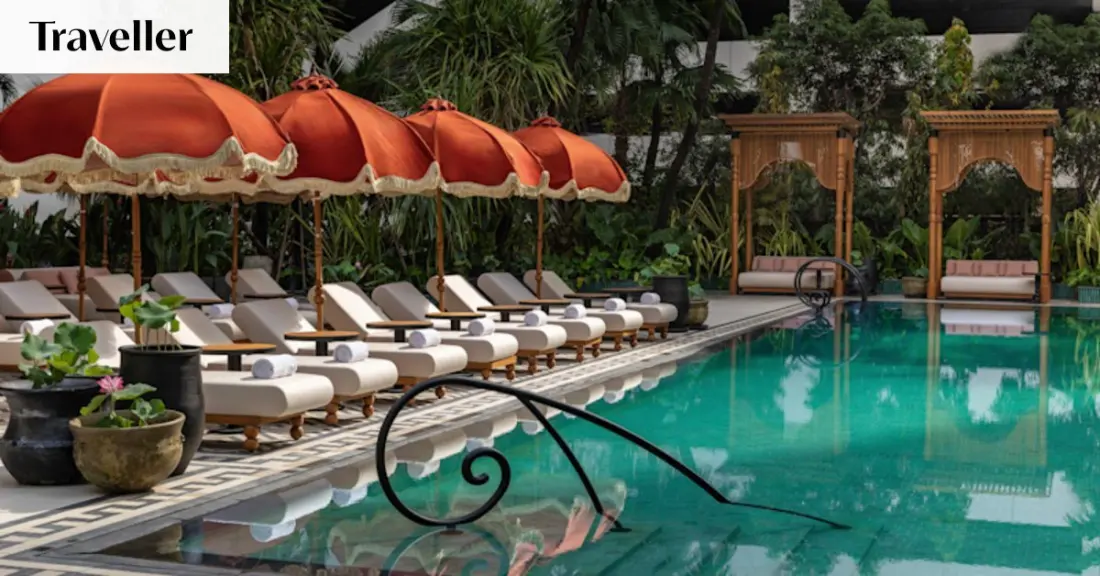
The revamp has modernised without sanding off the character. Teak, silk and Thai craftsmanship sit inside contemporary interiors, bathrooms are rebuilt in marble, and new garden pool suites and villas add private pools to the tropical grounds. The showpiece remains untouched: a 100-metre hand-painted mural by Thai artist Paiboon Suwannakudt and 19 ceiling panels titled "Heavens in Thai Thought" in the lobby. The two-bedroom Jim Thompson Explorer Suite, developed with the famous silk house, draws on a traditional Thai summer home.
What makes the hotel genuinely rare now is its shape and scale. Bangkok's newer luxury hotels are mostly towers; Anantara Siam is low-rise, wrapped around mature gardens in one of Asia's densest cities, with room dimensions newer properties simply can't match.
It also opens into a ferociously competitive market. Bangkok is mid-boom: Aman Nai Lert arrived in 2025 with just 52 suites starting at 94 square metres, the Ritz-Carlton and Andaz opened at the One Bangkok development the same year, Fairmont debuted on Sukhumvit in 2026, and a Langham is converting the 1888 Custom House on the Chao Phraya riverfront. Capella and the riverside Four Seasons already anchor a new resort-style tier.
For travellers, that competition matters more than the headline openings. Bangkok has long been one of the world's best cities for affordable five-star luxury, and while the ultra-top end now prices itself in global terms, the push of glamorous newcomers keeps established properties sharp. The result is a depth of quality hotels at the mid-luxury level that few cities can match.
Who should care: anyone booking a Bangkok splurge who'd rather have gardens, verandas and history than another glass tower. Anantara Siam's makeover makes a decent case that the old guard can still set the standard.