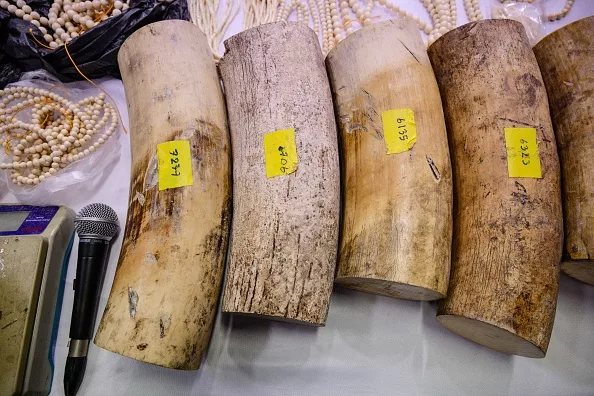
Customs inspectors at Laem Chabang Port in Chonburi province, Thailand, have uncovered roughly 400 pieces of African elephant ivory stashed inside logs in two containers that had been declared as processed timber arriving from Zambia. Thailand's Department of National Parks, Wildlife and Plant Conservation announced the find on 7 October, and forensic teams are now counting and examining the haul ahead of DNA analysis. The weight of the seizure was not disclosed, though it may well exceed the 500kg threshold that under CITES rules requires DNA sampling within 90 days.
That DNA work matters more than it might sound. Testing can pinpoint the elephants' country of origin and indicate whether the tusks came from recently poached animals or from old stockpiles being laundered into trade. It also gives Interpol a trail to follow when tracing the trafficking networks behind the shipment and the markets they supply. Thailand's environment minister, Suchart Chomklin, has ordered specialists to complete the inspection and analysis.
Experts caution against assuming Zambian elephants are the source. Mary Rice of the Environmental Investigation Agency UK told Mongabay that early DNA testing is a positive move, but the consignment is unlikely to be entirely from Zambia — the country is better understood as a transit point, and possibly a source, for ivory moving through Southern Africa. Zambia's government has not confirmed any link either; tourism ministry permanent secretary Evans Muhanga says officials are reviewing the shipment's paperwork. A large seizure within Zambia earlier in 2026 has also yet to undergo DNA analysis.
For travellers, the story is a reminder that wildlife crime is still very much active despite claims that poaching has declined. Rice points to the continued availability of ivory products in markets in nearby Laos as evidence that demand persists — and as long as it does, live elephants remain at risk. Few public details emerge about prosecutions tied to these networks, which makes each well-documented seizure and analysis a rare window into how the trade actually works.
If you're travelling in Southeast Asia or Southern Africa, the practical takeaway is simple: never buy ivory, carved bone, or unverified animal products, no matter how openly they're sold. Purchasing them is illegal across borders, risks heavy fines and confiscation, and directly fuels the trade this seizure illustrates. Responsible safari tourism in Zambia and elephant-focused travel in Thailand both depend on wild populations staying alive — and on demand staying down.
The investigation's real value will be in connecting the dots: where the elephants died, who moved the tusks, and which markets were waiting at the end of the line.