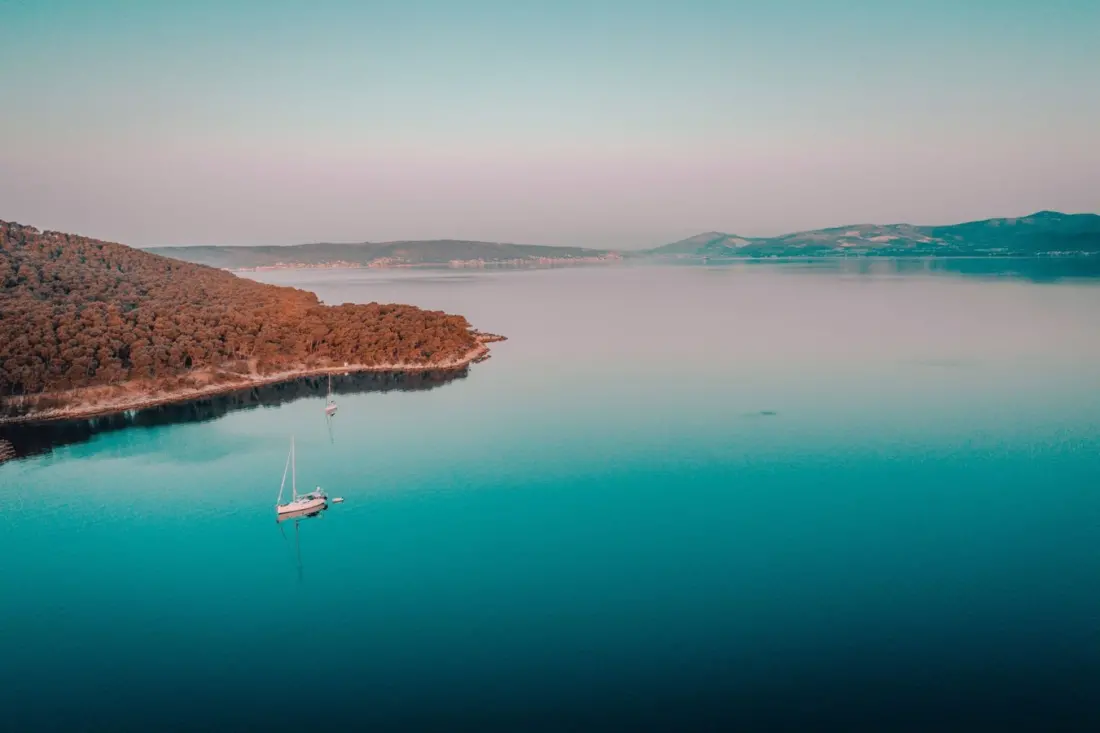
A decade of satellite and buoy data has been pulled together in the tenth Copernicus Ocean State Report, published on 30 September 2026, and the picture it paints of the Adriatic is uneasy. The Mediterranean is warming roughly three times faster than the global ocean — surface temperatures up 0.32°C per decade since 1982, against a global figure of 0.12°C — and 2024 brought the most marine heatwave days in twenty years, with average temperatures 1.23°C above baseline. In the summers of 2023 and 2024, sea surface temperatures in the northern Adriatic topped 30°C.
The report's most striking detail concerns freshwater. Researchers studying two autonomous stations on the Italian coast near Fano and Senigallia identified five separate "freshening" episodes between May 2023 and November 2024 — sudden salinity drops lasting 12 to 53 days. In the most extreme, salinity fell from 35.09 to 14.97 g/kg in just ten days. The triggers were violent weather: Storm Minerva dumped over 300mm of rain on Emilia-Romagna in May 2023 (five times the monthly average), and in autumn 2024 Storm Boris delivered another ~300mm, pushing the Po river to a record discharge of 7,880 m³/s.
Each freshening set off a chain reaction in the water: surging turbidity, chlorophyll spikes above 60 µg/L signalling algae blooms, oxygen supersaturation, and gelatinous "mucilage" aggregates — that unappealing slimy film swimmers sometimes encounter. Researchers link the pattern to "precipitation whiplash": abrupt swings between drought and flooding, expected to intensify as global temperatures pass 1.5°C.
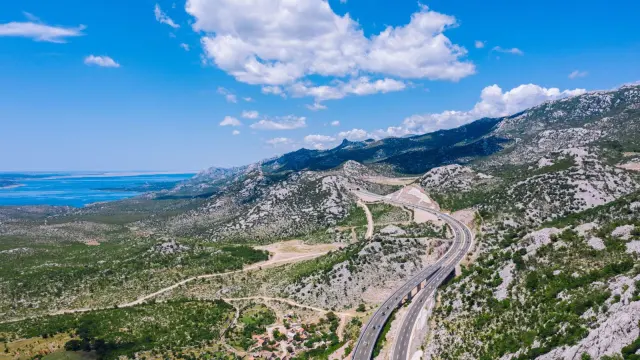
For Croatia the direct evidence is limited — the measurements come from the Italian side, where the Western Adriatic Current carries river freshwater southwards. Whether these episodes reach the eastern coast in the same form hasn't yet been verified. But the stakes are obvious: Croatian tourism, mariculture and fisheries all depend on clean, clear sea, and mucilage events plus warmer water directly threaten all three. The report's authors argue for more continuous, affordable monitoring on both sides of the basin, better coastal forecasting and long-term planning — a case for Croatia investing in its own observation network rather than assuming conditions offshore match those off Ancona.
If you're planning a Croatian coastal holiday, none of this should cancel a trip — but it does explain why summer sea quality can vary, why algae blooms occasionally make headlines, and why shoulder-season swimming in June or September may look increasingly appealing as peak-season waters get warmer and stranger.