Boeing's original Triple Seven turns 30 this decade, and while new composite jets keep arriving, the classic 777-200ER is still very much part of everyday long-haul flying. More than 20 carriers worldwide still operate the type, and seven of them account for the bulk of that flying as of 2026 — meaning decent odds your next transatlantic or intra-Asia flight is on an aircraft that entered service when flimsy boarding passes were still paper-only.
At the top of the list sits United Airlines, the launch customer of the 777 programme back in the mid-1990s. It flies the largest fleet by far — 55 of the ER variants plus roughly 19 of the original non-ER 777-200s, making it one of just two airlines still flying the baseline model. Its oldest active airframe, N774UA, has been in frontline service for over three decades, though retirement plans are gradually forming, with 787-10 Dreamliners pencilled in as successors.
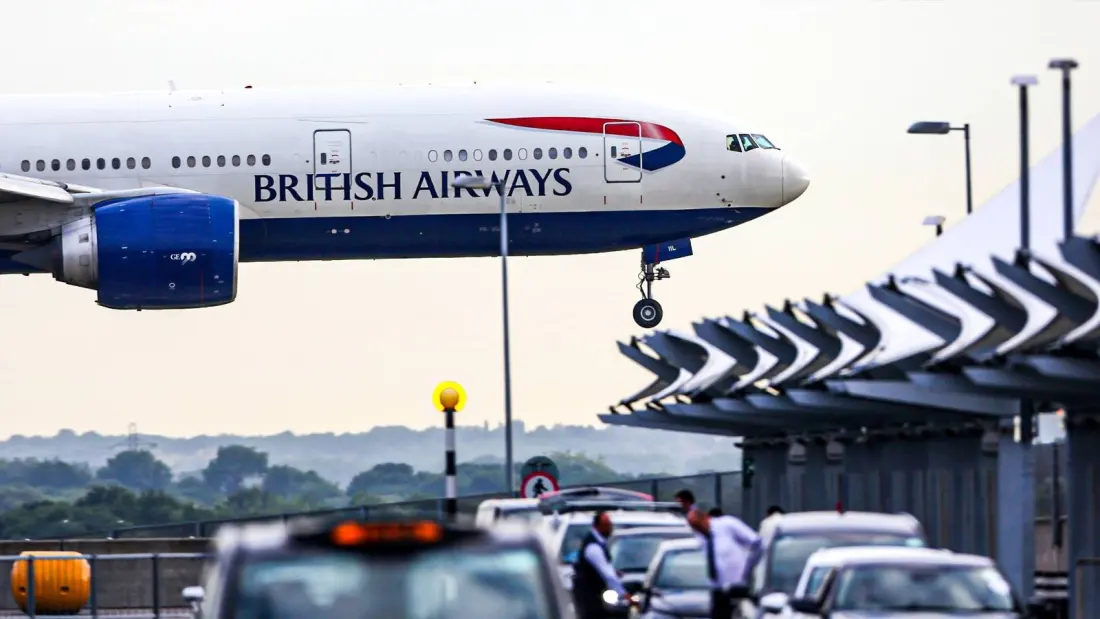
American Airlines is close behind with 47 aircraft, all in a uniform 273-seat, three-class layout — handy for predictability whether you're on an overnight hop to Europe or a domestic positioning leg. There's no imminent retirement date; the airline is instead weighing cabin refreshes. British Airways, which helped Boeing develop the aircraft in the first place, operates 43 of them from Heathrow and Gatwick in three- or four-class layouts of up to 336 seats. Gatwick's examples are due to be replaced by 787-10s from around 2029.
In Europe, Air France keeps 18 based at Paris Charles de Gaulle in a 328-seat configuration that includes 28 business-class pods and 32 premium economy seats, while Austrian Airlines runs six on high-density long-haul routes from Vienna until 787s fill the capacity gap. In Asia, Asiana Airlines has eight on trunk routes around East Asia, and Thai Airways flies three from Bangkok Suvarnabhumi in a roomy 292-seat two-class arrangement.
Why does this matter if you're booking a holiday? First, know your aircraft: a 777-200ER is generally a comfortable ride, with widebody calm and — on airlines like Asiana — a 3-3-3 economy layout that's notably roomier than the 3-4-3 cramming on some rivals. Second, these planes are living on borrowed time at several carriers, so if you're nostalgic for First Class suites on British Airways' older 777s or want a last flight on United's vintage baseline model, the window is closing. Cabin condition varies widely between airlines that have retrofitted and those that haven't, so a quick seat-map check before booking is worth two minutes of your time.