If you're flying long-haul this year, the aircraft at the front of your booking matters more than ever. Five widebody families are defining commercial aviation in 2026, and each promises a different kind of journey — from ultra-long nonstops to the return of the double-decker superjumbo.
The Boeing 787 Dreamliner tops the list for a simple reason: it has opened more than 530 previously unserved nonstop routes since launch. Its modest size and long range let airlines connect city pairs that never justified a jumbo jet. In March, the FAA approved higher takeoff weights for the 787-9 and 787-10, adding up to roughly 300 and 400 nautical miles of extra range respectively. The composite fuselage also means lower cabin altitude and higher humidity — genuinely felt on a 12-hour flight.
The Airbus A350 is the modern flagship, with over 1,620 orders by late August. Lufthansa took its first A350-1000 in November, fitted with its Allegris premium cabins, while Delta, Air Canada and Riyadh Air have committed to the variant too. The headline act is Qantas' Project Sunrise: 12 specially configured A350-1000ULRs with just 238 seats across four classes will fly Sydney to London nonstop from October 2027, with New York following in 2028. A test aircraft already logged a 24-hour flight from Melbourne to Toulouse in November.
Boeing's original 777 refuses to fade. The 777-300ER still carries high capacity across intercontinental routes — Emirates runs the world's largest fleet and is retrofitting its cabins with new business class and premium economy while it waits. The wait matters because the 777X, the largest twin-engine jet ever planned, keeps slipping: Boeing's October 2026 update targets first delivery in 2027, and launch customer Lufthansa has already planned its summer 2027 schedule without it. Emirates has 270 of the type on order.
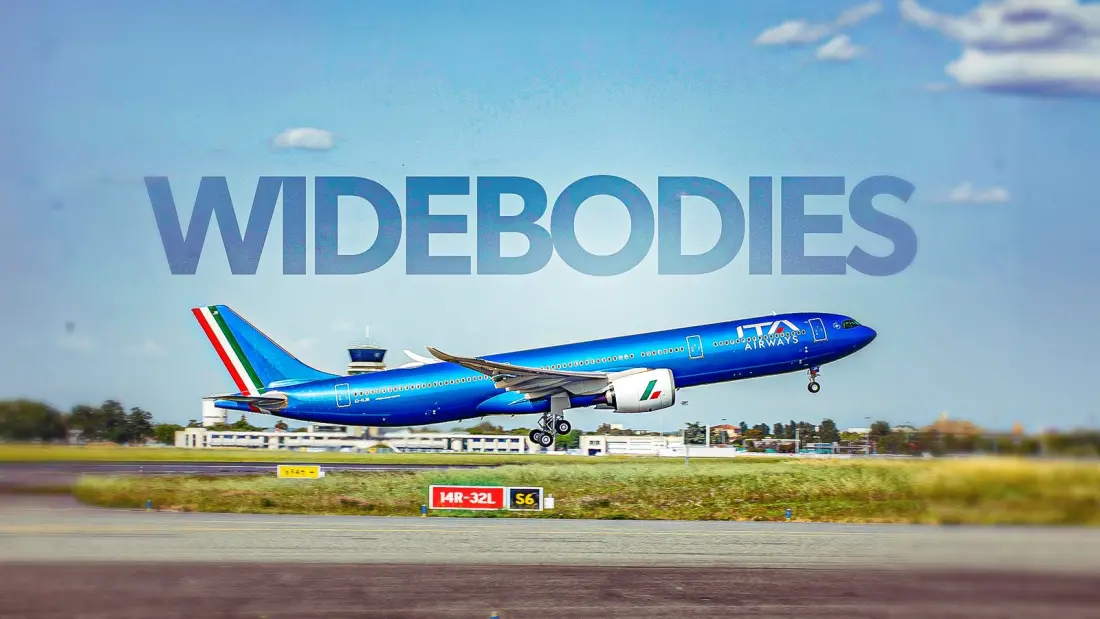
The A330neo quietly wins on price. Market delivery prices around $120 million undercut the 787-9 (over $160 million) and A350 (over $170 million), and it shares up to 95% of spare parts with the older A330 — a big deal for leisure and seasonal carriers. Delta (39 aircraft), TAP Air Portugal, Condor and ITA Airways are among the biggest operators, and 2026 brought fresh orders from Delta, SAS and lessor Avolon. One caveat: its Rolls-Royce Trent 7000 engines have faced durability issues.
Then there's the A380, out of production since Airbus delivered the last one in 2021, yet still very much alive. Around 190 fly today and Emirates owns 116 of them — well over half — planning to keep some until around 2041. British Airways, Singapore Airlines and Qantas continue flying it too, though Qantas starts retiring its fleet from 2028. With first-class showers, onboard lounges and new premium economy cabins being installed, the superjumbo remains the roomiest ride in the sky at congested hubs.
For travellers, the practical takeaway: check the aircraft type before booking. A 787 or A350 usually means a quieter, more comfortable cabin and newer seats; an A380 offers space few jets can match; and the coming years promise nonstops — Sydney-London being the boldest — that previously meant connecting through a hub.