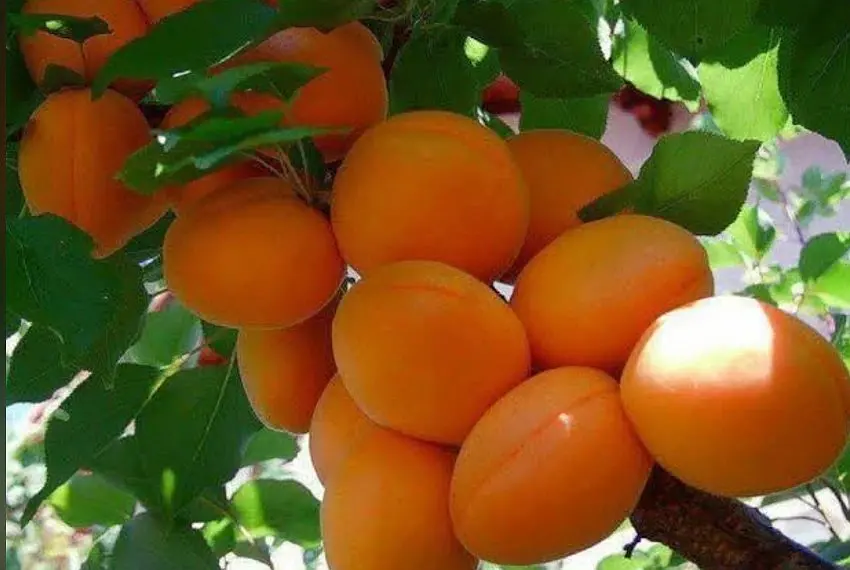
An international research team has found that apricot trees of Kyrgyz origin carry unusually rich stores of natural antioxidants in their leaves — a discovery published in Scientific Reports, part of the Nature Portfolio, and one that could eventually shape everything from functional foods to natural preservatives.
The study covered 26 apricot genotypes of Kyrgyz origin, benchmarked against four commercial varieties, using field data gathered across 2024 and 2025. Researchers measured leaf size and shape, mineral content, phenolic compounds, flavonoids and overall antioxidant activity. A clear pattern emerged: the Kyrgyz trees generally grow larger leaves than their commercial cousins, and their chemistry varies widely from one genotype to the next.
The numbers back that up. Antioxidant activity in the samples ran from 44 percent to 69.5 percent, while phenolic content ranged between roughly 103 and 193 milligrams per 100 grams of fresh leaf weight, expressed as gallic acid equivalents. The team also charted differences in calcium, phosphorus, sulphur and potassium — minerals that drive plant growth and biological function. Phenolics and flavonoids drew particular attention because of their antioxidant properties.
Why does this matter beyond the lab? Apricot leaves are, in the authors' words, an underutilised plant resource. The compounds identified could feed into herbal preparations, health-focused food products and chemical-free preservatives, and the pronounced genetic diversity among Kyrgyz trees gives plant breeders promising raw material for new varieties. Follow-up research is expected to pin down the practical uses in the food industry and beyond.
For travellers, the story adds context to something you can taste on the ground. Kyrgyzstan sits within the Central Asian heartland where apricots have been cultivated for centuries, and orchards heavy with fruit are a feature of villages around Lake Issyk-Kul and the Fergana fringe in the country's south. Local markets sell sun-dried apricots (kuurma) by the sack, and roadside stalls in season are a stops-along-the-way highlight on drives through the Chüy and Talas valleys. A tree with scientifically notable antioxidant chemistry is, at the very least, a good excuse to order the apricot jam with breakfast.
It's early days — no product or supplement exists yet as a result of this study — so treat it as a piece of background colour rather than a reason to book. But it fits a broader truth about the country: Kyrgyzstan's agricultural heritage, from walnuts in Arslanbob to high-altitude honey, is a genuine part of what makes travelling there interesting. The apricot, it seems, is now on that list with credentials.