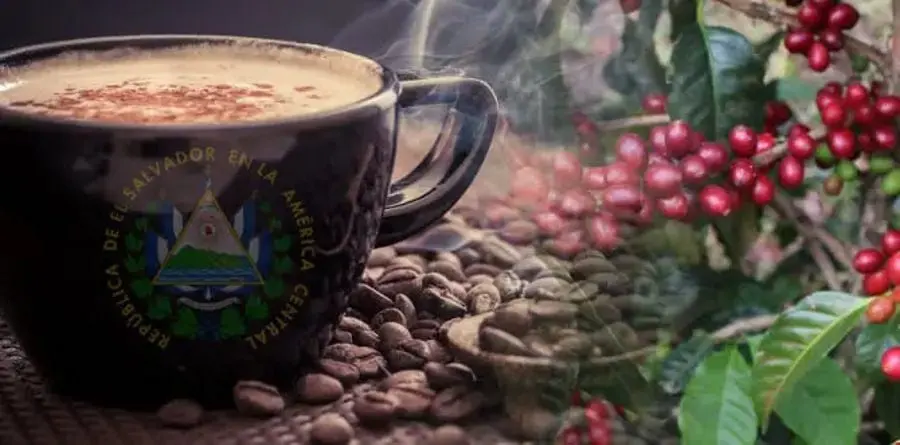
El Salvador runs on coffee. Since the 19th century, when plantations began replacing indigo as the country's main export, coffee has shaped the economy, the highland towns, and the daily routine — most Salvadorans pour a cup at breakfast, again in the afternoon, and a fresh pot whenever visitors turn up.
What sets Salvadoran beans apart is geography. Coffee grows on volcanic soil at a range of elevations, often under shade trees that steady temperatures, protect wildlife, and prevent erosion. The result is cup profiles spanning chocolate, caramel, citrus, tropical fruit and floral notes, depending on the variety and how the beans are processed.
The country has some homegrown coffee celebrities worth knowing before you order. Pacas is a natural Bourbon mutation found in Santa Ana in 1949, named for the family that discovered it — compact plants, easier harvesting, notes of chocolate and nuts. Pacamara, a Salvadoran-bred cross of Pacas and Maragogipe, is famous for its oversized beans and punchy fruit-and-citrus flavours. Classic Bourbon, Typica, Caturra and Catuaí are still widely grown, and a few producers are experimenting with prized, demanding varieties like Geisha.
Seven growing regions cover the map. In the west, the Apaneca-Ilamatepec range — around Apaneca, Ataco and the Santa Ana volcano — is the most tourist-friendly, with winding mountain roads lined by plantations and towns that have leaned into roasting, restaurants and farm tours. El Bálsamo-Quezaltepec sits on the slopes above San Salvador, close enough to the capital for a day trip. Further east, the communities around Tecapa volcano, like Alegría and Berlín, keep coffee traditions alive, while the Cacahuatique range in Morazán and San Miguel supports scattered farming villages well off the main routes.
Timing matters if you want to see the action: the harvest runs roughly November to March, shifting with elevation and rainfall. Farms start seedlings in nurseries, and it takes years before young trees produce a sellable crop. Processing ranges from washed to natural to honey methods, with beans dried on patios or raised beds before roasting and professional cupping.
The industry hasn't had it easy — political turmoil, conflict, collapsing world prices and crop diseases like coffee leaf rust all took their toll. But that's exactly why the current scene is interesting. Many growers have pivoted from bulk production to specialty coffee, experimenting with processing and building direct relationships with international buyers. Much of the crop comes from small family farms, often organised into cooperatives that share processing facilities and market access.
For travellers, this makes El Salvador a genuinely hands-on coffee destination. You can tour a working plantation in the Apaneca hills, watch picking and processing during harvest season, taste a Pacamara at its best in a San Salvador specialty café, and buy beans straight from the people who grew them. Towns like Ataco pair coffee with murals and cool mountain air, and the volcano viewpoints come free with the drive. It's a compact country, so two or three days is enough to link farms, towns and tastings into one route.