In August and September 1944, as the Red Army advanced and the German front collapsed, around 80,000 Estonians fled their homeland by sea. They crammed onto ships and small wooden fishing boats, anything that could float, in a desperate bid to avoid a return to Soviet rule — a regime they had already lived under in 1940-41, when more than 10,000 people were deported to Siberia and the NKVD murdered 193 detainees in Tartu. Estonia would remain under Soviet occupation until 1991.
The escape peaked between 19 and 23 September 1944, and it was lethal: stormy seas and enemy fire are thought to have killed up to nine per cent of those who fled. Most survivors reached nearby Sweden or Germany. By 1945, some 33,000 Estonians were registered as displaced persons in Germany, among roughly 200,000 Baltic refugees — part of a wider European crisis of 11 to 20 million displaced people.
The Allies set up displaced persons' camps across Germany, Austria and Italy, later run by UNRRA and then the International Refugee Organisation. Repatriation was the original goal, but for Balts it was impossible — going home meant persecution or death. So they waited, living in barracks, schools, hotels, even airports, registered under numbers rather than names. Conditions were often grim: overcrowding, food shortages and tuberculosis outbreaks, with many deaths at Hamburg's damp Zoo Camp, housed in timber buildings once built for forced labourers. Not every camp was bleak — Geislingen, near Stuttgart, was nicknamed 'the Hilton of DP camps', home to about 2,000 Estonians.
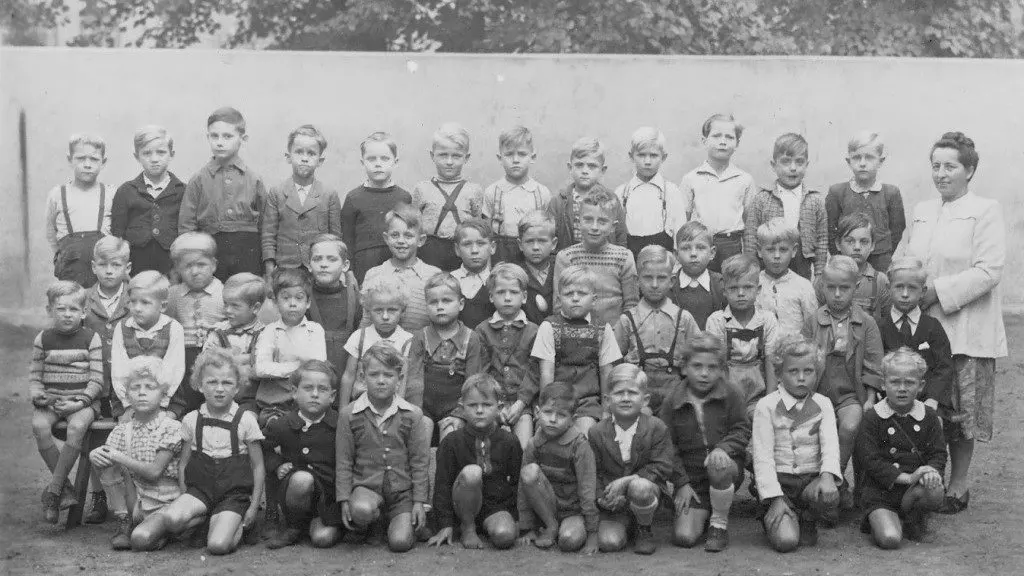
Camp life was surprisingly rich. Refugees — intellectuals, farmers, craftsmen and artists — built newspapers, theatres, workshops and training centres, and even founded the Baltic University, first at Zoo Camp before it moved to Pinneberg. People fell in love, married, and later crossed oceans together.
The way out came in 1948-49, when labour-hungry countries opened resettlement programmes. Belgium wanted 20,000 coal miners; the UK and Canada required sponsorship. Australia's DP Group Resettlement Scheme became the favourite — the government acted as sponsor, families were welcomed, and the distance from Europe's turmoil appealed. Arrivals faced a two-year work contract before gaining residency, often starting at reception centres like Uranquinty in rural New South Wales. Others went to Venezuela, Brazil, Argentina, France or the US. The totals tell the story: Australia took 182,159 displaced people, Canada 157,687, the United States 400,000, the UK 86,000.
Why does this matter to travellers? It explains much of what you'll encounter on a trip to the Baltics and beyond — Estonian communities in Toronto and Sydney, the museums of Tallinn and Tartu dealing with occupation and exile, and the multicultural fabric of post-war Australia. For anyone with Baltic roots, retracing this story means visiting Tallinn's old town and the port districts where boats departed, plus sites in Hamburg and southern Germany. A sobering, human chapter of European history well worth understanding before you go.