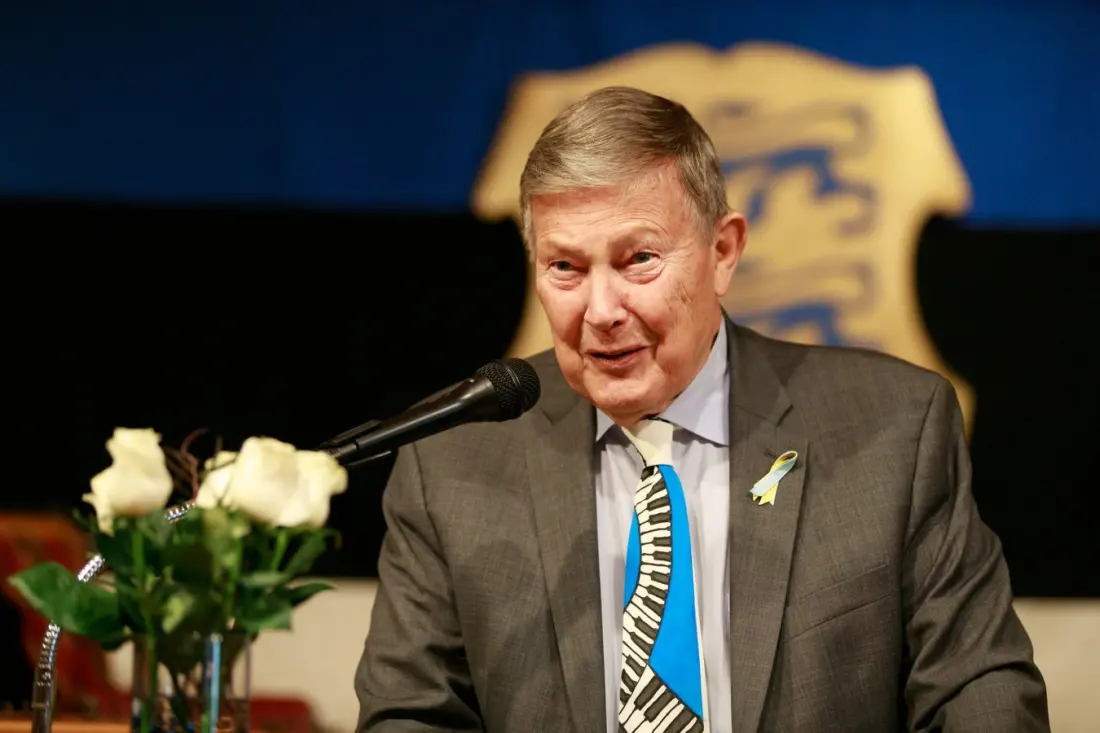
What does it take for a nation of 1.3 million people to get a seat at the table? After four decades as Estonia's honorary consul, Jaak Treiman has watched five presidents try to answer that question — each in a completely different way.
First came Lennart Meri, the charismatic polyglot and son of a diplomat. The story Treiman tells is telling: when around 20 senior Boeing executives flew to meet Meri during a California visit in the early 1990s, they waited nearly four hours as their patience wore thin. Ten minutes with Meri and the room was won over. His languages, historical depth and sheer presence helped a newly independent Estonia make friends fast.
His successor Arnold Rüütel showed the flip side. Speaking only Estonian and Russian, he leaned on interpreters abroad, and his message often flattened in translation — a rough Q&A session at Stanford being one low point. Estonia's image survived largely on the goodwill Meri and independence-era campaigners had already built in the United States.
Toomas Hendrik Ilves took a different route entirely. Raised in America by refugee parents and a former ambassador to Washington, he framed Estonia as "The Little Engine That Could" and, crucially, put the country on its digital path. That e-Estonia identity — still the country's calling card today — was his doing, backed by a habit of publicly debating Nobel laureates.
Kersti Kaljulaid brought plain-spoken candour, and audiences loved it for it: when she spoke at the University of Southern California, the hall filled to capacity and dozens were turned away. Current president Alar Karis works more quietly. One Swiss speech on Estonia's digital know-how prompted a California non-profit CEO to fly to Tallinn to see it for himself — and he's now applying the lessons back home.
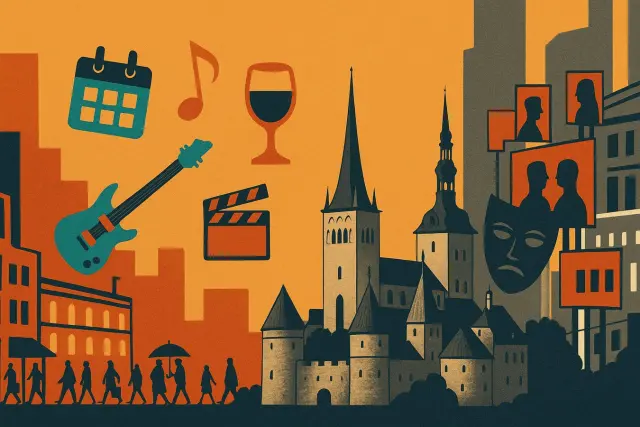
Treiman's broader point resonates beyond politics: for a small country, how it presents itself is a survival strategy, not vanity. Being visible, understood and trusted translates into real influence — and, for travellers, into a destination with an outsized story. Estonia is exactly the kind of place whose modern identity — digital government, medieval Tallinn, Soviet history, Nordic-adjacent culture — was shaped on the world stage by the people described here. Understanding that story makes a visit far richer than the postcard version.
With Ülle Madise now stepping into the role, the article closes on an optimistic note: she doesn't need to copy any predecessor, just find her own authentic voice. Same advice, honestly, applies to the country itself — and to anyone planning a trip there.
Story via Estonian World.