A deadline of October 6 is looming for anyone who cares about America's backcountry. That's the final day to submit a public comment on the proposed rescission of the Roadless Rule, the 2001 policy that blocks new road construction and large-scale logging across roughly 58 million acres of US national forest land.
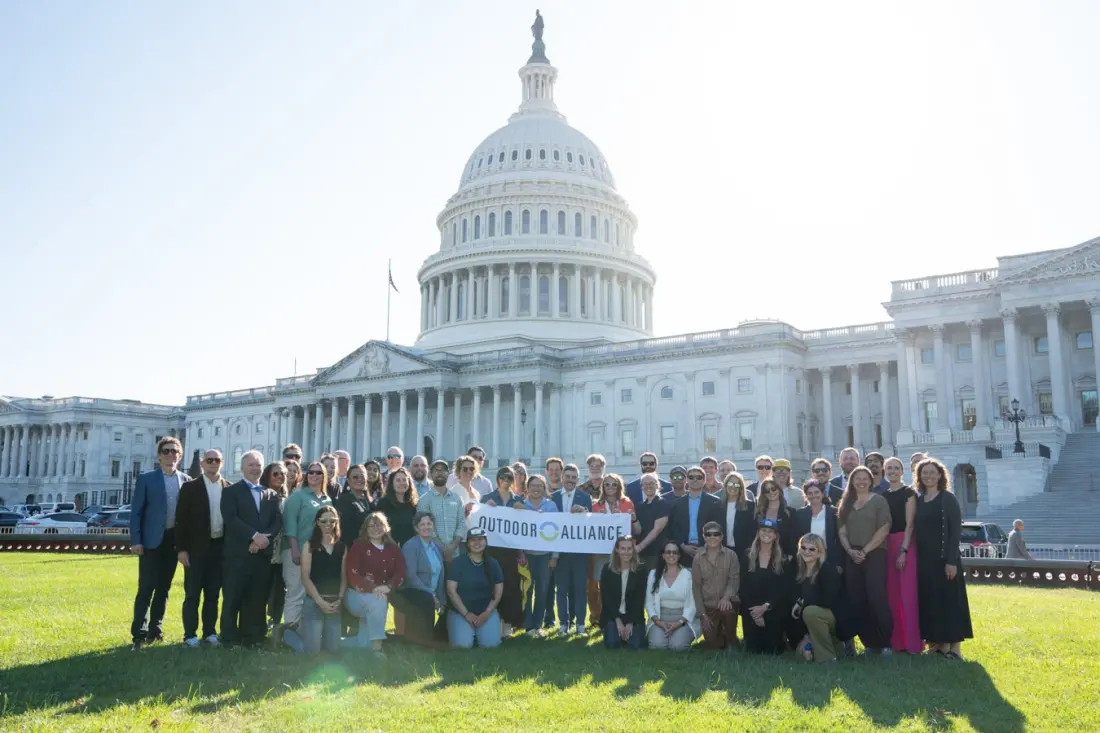
The news comes out of Washington, DC, where the nonprofit coalition Outdoor Alliance just wrapped its annual fall fly-in. Nearly 60 advocates from climbing, paddling, mountain biking, backcountry skiing and trail-running organizations held around 90 meetings with lawmakers and federal agencies. Their message: keep the Roadless Rule intact, reauthorize the Legacy Restoration Fund (the maintenance-funding engine of the 2020 Great American Outdoors Act), and leave the Travel Management Rule alone so agencies can keep sorting out where human-powered versus motorized recreation happens.
On the Roadless Rule itself, Outdoor Alliance isn't optimistic about how the administration will handle the upcoming Draft Environmental Impact Statement. But they point to rising public comment numbers and more than a million letters sent to lawmakers by the outdoor community since last year. Their argument against rescission is straightforward: the rule already allows the flexibility the Forest Service says it wants, including active forest management, wildfire-risk reduction, hunting, fishing, motorized use and more. Scrapping it, they argue, removes a consistent baseline of protection and leaves backcountry landscapes open to road-building and development.
The group also released a Public Lands at Risk report profiling more than 20 spots across the American West — places chosen to show how recreation, local economies and conservation overlap. The economic angle matters: roadless forests protect wildlife habitat and clean water, and the hikers, hunters, skiers and paddlers who use them sustain guides, outfitters, lodges and restaurants in rural gateway towns. New roads fragment habitat and silt up streams in ways that are hard to undo.
Why should a traveller care? If you've ever planned a trip around a quiet trail, a hidden ski line, a wild river or a climbers' crag on national forest land, the Roadless Rule is part of why that experience still exists. Its fate will shape where you can find solitude in the US West for decades. Comments can be submitted to the USDA until October 6 — no hiking resume required, just an opinion.
Even with midterms approaching and a jammed congressional calendar, Outdoor Alliance's team left DC encouraged. Both Republican and Democratic offices showed enthusiasm for reauthorizing the Legacy Restoration Fund, and advocates say in-person meetings still move the needle. Their advice to the outdoor community heading into an election year: keep writing, keep showing up, and hold lawmakers accountable on keeping public lands public.