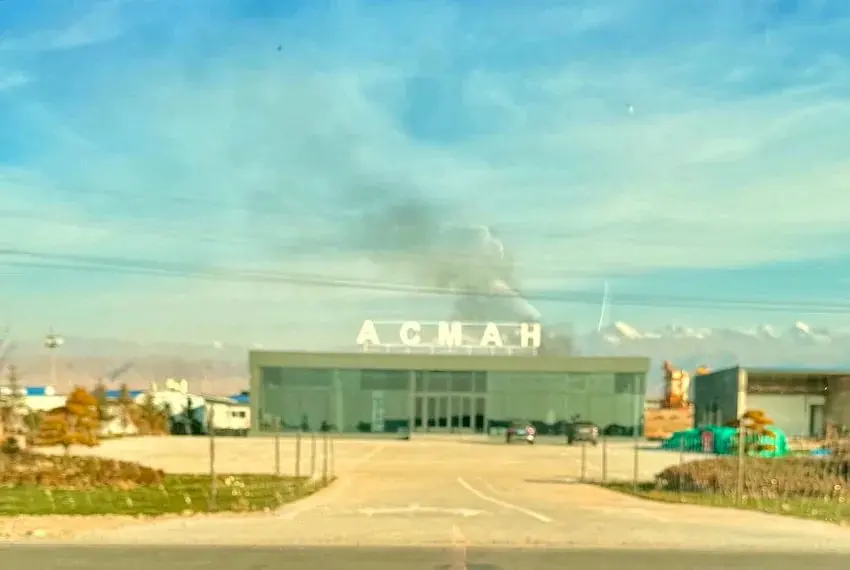
A brand-new city is taking shape on the southern shores of Issyk-Kul, Kyrgyzstan's enormous alpine lake, and the government has just sweetened the deal for the company building it.
On 5 November 2026, Cabinet Chairman Adylbek Kasymaliev signed an order adding RedStone Group LLC to the list of organisations entitled to tax incentives under the Asman Eco-Friendly City project. In practical terms, all goods, works and services tied to construction of the city will be charged zero VAT and zero sales tax, and the zero rate extends to imported materials destined for the site. RedStone Group is the only company on the approved list, and the incentives run for the duration of the project — capped at five years. The catch is accountability: the developer must finish construction by the deadlines set in its agreement, and the Presidential Affairs Department has been put in charge of overseeing the whole thing.
The numbers behind Asman are big by any regional standard. The investment agreement pegs planned investment at $20 billion, with a 4,015-hectare plot reserved for the city on a 49-year lease. The project carries the status of a national investment project, and back in August 2026 officials told an investment forum in Bishkek that the legal framework for its next stage was already in place.
So what is Asman actually meant to be? The vision is a modern city with environmentally friendly infrastructure, residential districts, public spaces and facilities designed to pull in further investment. For travellers, the location is the interesting part. Issyk-Kul is already Central Asia's inland beach holiday hub — a huge, never-freezing lake ringed by mountains, popular with visitors from Kyrgyzstan, Kazakhstan and Russia for summer swimming, sanatorium stays and trekking in the surrounding Tian Shan foothills. A $20 billion eco-city on its shores would mean new hotels, restaurants, public spaces and possibly year-round tourism infrastructure in a region that currently relies mostly on Soviet-era resort towns like Cholpon-Ata and Karakol.
The honest caveat: this is an announcement about tax paperwork and a construction timeline, not a finished destination. Nothing here changes a trip you might take next summer. But if you've been meaning to see Issyk-Kul before mass development arrives, the clock is arguably ticking — and if the project delivers what it promises, Asman could eventually become the region's flagship resort city.
For now, treat it as a reason to keep an eye on Kyrgyzstan. The country remains one of Central Asia's most affordable and least crowded destinations, with visa-free or easy e-visa access for many nationalities, and Issyk-Kul pairs well with Bishkek and the mountains of Karakol in the same itinerary.
Story source: 24.kg.