Ask bartenders which spirit deserves a bigger audience and the answer is almost always brandy. Few drinks prove the point better than the Sazerac — New Orleans' answer to the old fashioned, and one of the earliest cocktails ever to follow the classic 1806 formula of spirit, sugar, water and bitters.
The drink traces back to the French Quarter in the mid-1800s, when pharmacist Antoine Peychaud dispensed his cherry-red bitters — created in the 1840s as a health tonic — alongside a bump of cognac. The serve became the signature of the nearby Sazerac Coffee House, named for the Sazerac de Forge & Fils cognac it poured. Sugar and absinthe crept in over the years, and when phylloxera devastated European vineyards in the late 1800s, rye whiskey stepped in for cognac. Many bartenders now split the difference, using half cognac, half rye — stone fruit and caramel from one, peppery spice from the other.
It is famously unfussy to look at: no ice, no fruit on the rim, just a deep-frozen rocks glass rinsed (or spritzed from an atomiser, which is tidier) with absinthe, a lemon twist expressed then discarded, and the stirred spirit mixture. But complexity hides in that plainness. Kirk Estopinal of Cane & Table and Cure in New Orleans calls it subtle and respectful to the spirit, a drink that tastes like it was made by a grown-up with nothing to prove.
The world's best bars are getting playful with it. The Savoy's American Bar in London pours a £5,000 Sazerac built on an original 1858 bottling of Sazerac Forge et Fils, paired with 1950s Pernod absinthe. The modern re-formulated Sazerac de Forge & Fils — blended from rare grape varieties and aged up to 50 years — is the natural house pour for anyone recreating it at home. In the new-wave cognac camp, Fanny Fougerat's small-batch, site-specific bottlings stand out, with her Iris Poivré XO flagged as the cocktail pick. Experimental Cocktail Club, which runs bars in Paris, London, Venice, Ibiza and New York, goes further, blending bespoke brandies with houses like Hine and Ragnaud Sabourin. At ECC Chinatown the Sazerac uses a house Hine XO; at Henri in Covent Garden, try the Carousel, a Sazerac-Manhattan hybrid with bourbon and Armagnac — a spirit, ECC's Xavier Padovani notes, that's rounder and softer than cognac and often overlooked.
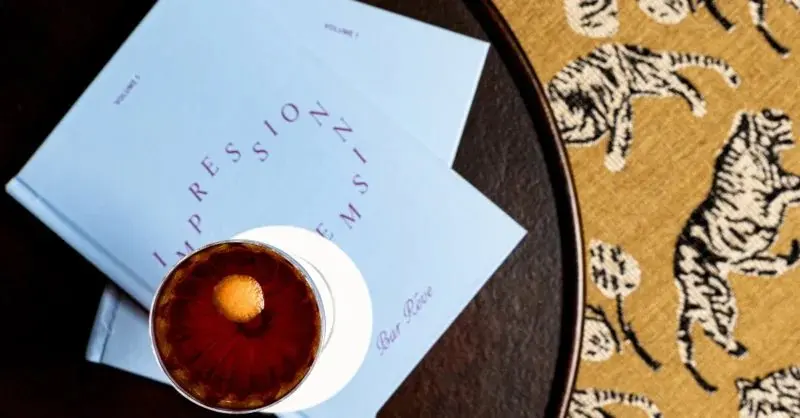
For travellers, this is a ready-made itinerary hook: sip the original in the French Quarter, then chase interpretations from Soho to Brooklyn. Bar Rêve co-founder Victor Triebel puts the appeal plainly — in a world of trends, brandy cocktails are a way to slow down and taste where modern cocktail culture began.
To make one yourself: stir 25ml cognac, 25ml rye, 5ml 2:1 sugar syrup, one dash Angostura and two dashes Peychaud's with ice; strain into an absinthe-rinsed frozen rocks glass and express a lemon twist over the top before discarding it. Restraint, as the New Orleanians say, is everything.