Sargassum season is a yearly headache for Mexico's Caribbean coast, and Playa del Carmen is trying to get ahead of it. Mayor Estefanía Mercado met this week with Luis Martínez Vega, head of tourism development fund Fonatur, as part of the Sargassum Response Cabinet set up under President Claudia Sheinbaum's broader strategy for the Mexican Caribbean.
The upshot for travellers: better information before you book and cleaner beaches when you arrive. The city and Fonatur agreed to standardise how sargassum is monitored and reported, so beach conditions get communicated in a consistent format to both residents and visitors during the season. They also committed to improving the collection and storage operation ahead of 2027 — everything from coastal work to reception centres, plus new strategies for concentrating and compacting the algae once it's hauled off the sand.
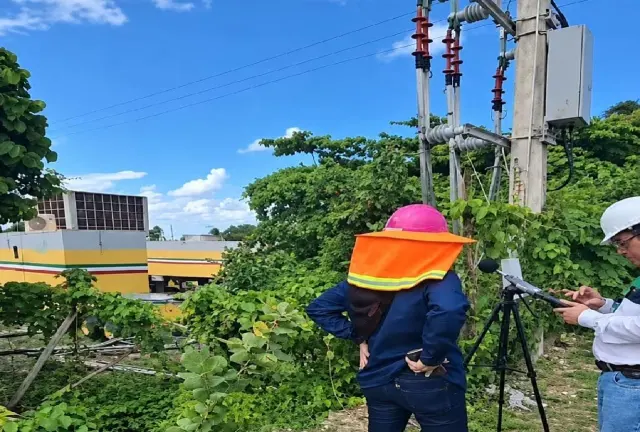
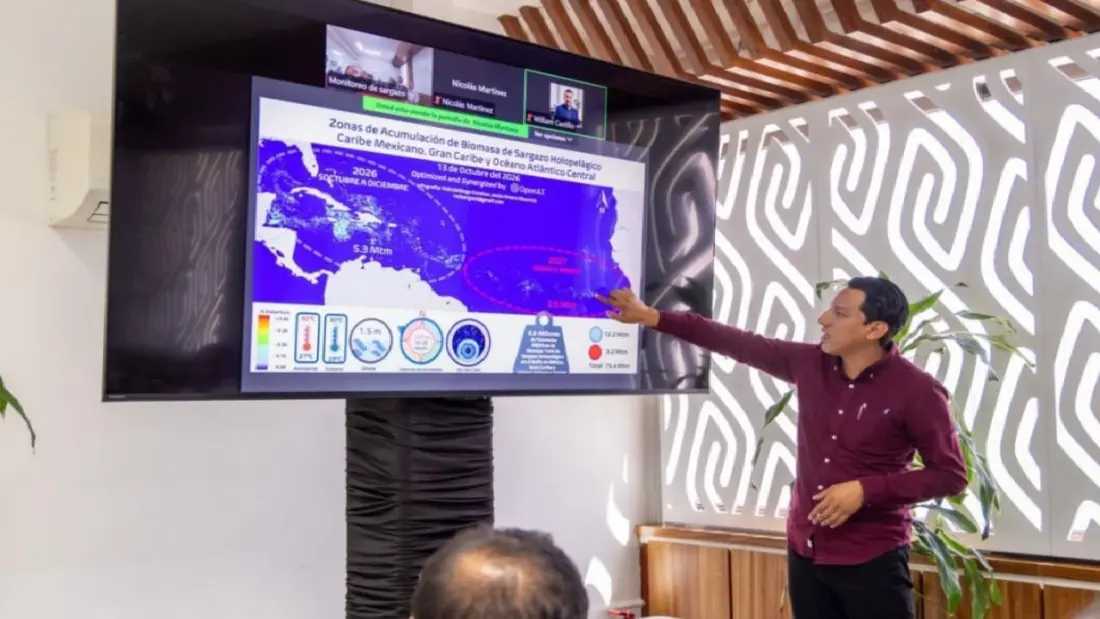
There's some serious science behind the forecasting, too. Rear Admiral Topiltzin Flores Jaramillo, coordinator of the national Anti-Sargassum Strategy, explained that the Mexican Navy's oceanographic centres are building a system to spot the sargassum masses most likely to hit the coast. The Gulf and Caribbean Oceanographic Institute blends satellite data — including imagery from as far as South Florida — with wind, current and tide records to issue bulletins predicting arrivals 24 to 48 hours out. The catch, he cautioned, is that these forecasts are probabilistic; shifting weather and ocean conditions can change the picture quickly.
The meeting also covered the less glamorous but crucial logistics: information-sharing between agencies, alert procedures that trigger cleaning crews, and the nuts and bolts of collection — beach access, concessionaires, containers, transfer sites and final disposal of the algae, plus checks on irregular or previously closed collection points.
Why should a holidaymaker care? Sargassum can seriously change a Caribbean beach holiday — piles of the brown macroalgae affect swimming, snorkelling and the postcard view. If you're weighing a Riviera Maya trip, this coordination push means more reliable, official beach-condition reporting rather than guesswork, and faster clean-up when landfalls happen. It doesn't eliminate the problem — 2027 is when the improved operation is expected to be in place — but it signals that authorities are treating beach quality as a priority. Practical takeaway: check official sargassum bulletins close to your travel dates, favour beaches facing north (like parts of Cancún) over east-facing shores, and remember wind shifts can clear or worsen conditions in a matter of hours.