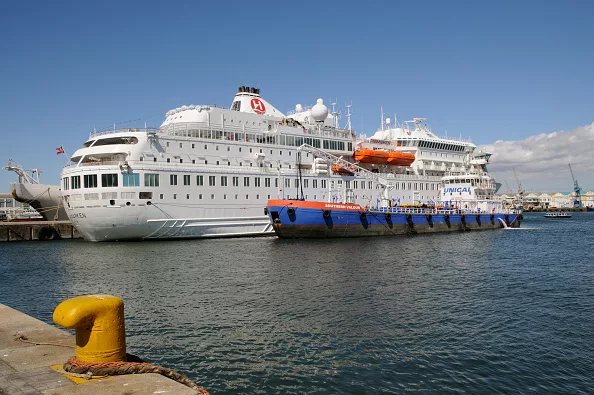
Cruise ships are calling at African ports in growing numbers, but the real prize for destinations lies in what happens once passengers step off the gangway. From Cape Town to Walvis Bay, ports are investing heavily in shore excursions, facilities and partnerships designed to keep tourist spending in local hands.
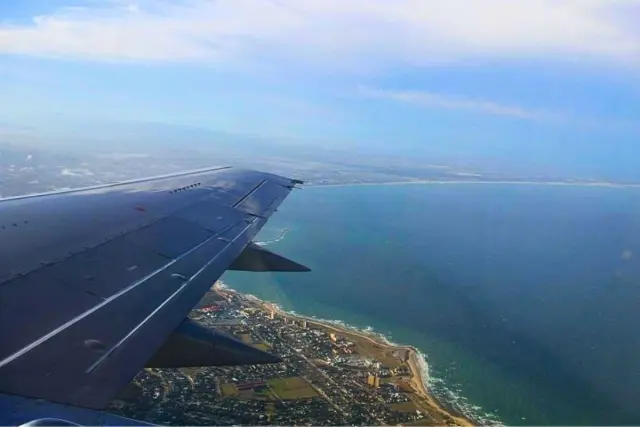
The numbers show why the effort matters. Cape Town's 2024/25 season drew 79 ships and roughly 127,000 passengers, up from 70 vessels and 78,000 two seasons earlier. Cruise tourism contributed an estimated R5.32 billion to South Africa's economy over three seasons, including R3.04 billion in foreign-exchange earnings. Smaller ports are benefiting too: Mossel Bay, Hermanus and Saldanha Bay handled 32,000 passengers across 26 calls in 2024/25, generating R47.5 million in local spending.
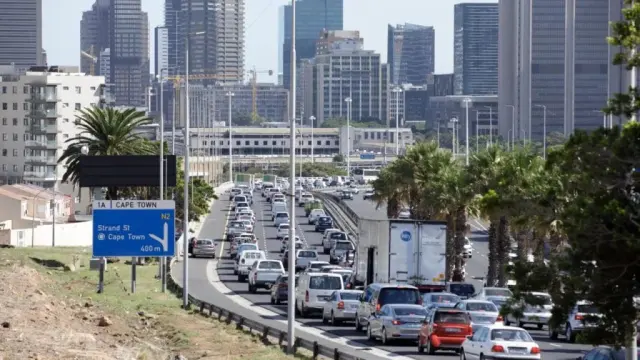
Infrastructure is following the growth. Cape Town's cruise terminal sits within a R20 billion precinct redevelopment, Mossel Bay opened a new reception facility in 2025, and Saldanha Bay is pursuing formal port-of-entry status. Excursion menus range from Bo-Kaap heritage walks and township food tours in Langa and Khayelitsha to Winelands trips around Stellenbosch and Franschhoek.
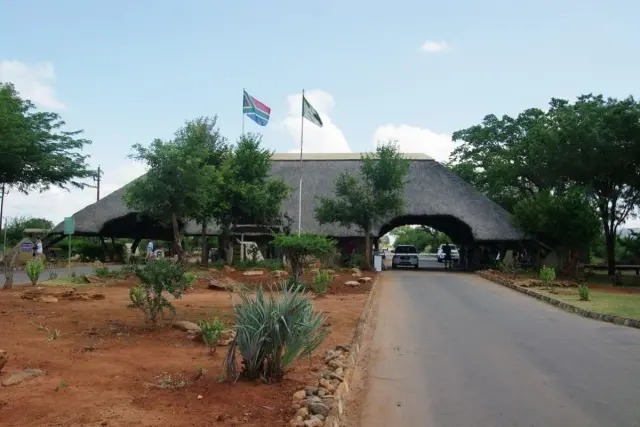
Kenya is taking a safari-cruise approach. The Kenya Wildlife Service now offers cruise passengers a 30% group incentive at parks including Tsavo East, Tsavo West and Amboseli, working with Pollmans Tours & Safaris and courting international operators like Abercrombie & Kent. Only about 20% of passengers currently extend their trips inland; the government wants that at 40%, targeting Sh2 billion in revenue from 12,000 cruise tourists.
Expedition cruising is a growth story as well. Cape Town's expedition calls jumped from five to 16 in a single season, while Namibia is building Walvis Bay into a desert-and-coast gateway — think Sandwich Harbour, where dunes meet the Atlantic. European Cruise Service set up an African operation there in late 2025, and AmaWaterways is pairing Chobe River sailings with land programmes through NamibRand, Etosha, the Skeleton Coast and the Maasai Mara from August 2026.
West and East Africa are joining in. Cape Verde logged 110,554 cruise passengers in 2024, and Global Ports Holding added Mindelo to its port network. Benin now waives visas for cruise passengers staying under 72 hours and plans a dedicated cruise quay by 2027. Mozambique expects 15 calls and nearly 16,000 visitors in Maputo in 2026, up from nine ships in 2024. Seychelles recorded 41 calls in 2025/26, including eight maiden visits, and could see cruise tourism contribute up to US$1.247 billion to its economy between 2026 and 2033 if wider effects are included.
There's a catch: the Red Sea's security situation pushed MSC Cruises to reroute its 2026 world cruise aboard MSC Magnifica, adding calls in Seychelles, Mauritius, Réunion, Durban, Cape Town, Walvis Bay and Cape Verde — a windfall for African ports. The bigger challenge is ensuring those few hours ashore translate into money for local guides, restaurants and craft sellers rather than leaking out through international suppliers. For travellers, it means richer, better-organised shore options are arriving at ports that were once little more than a photo stop.