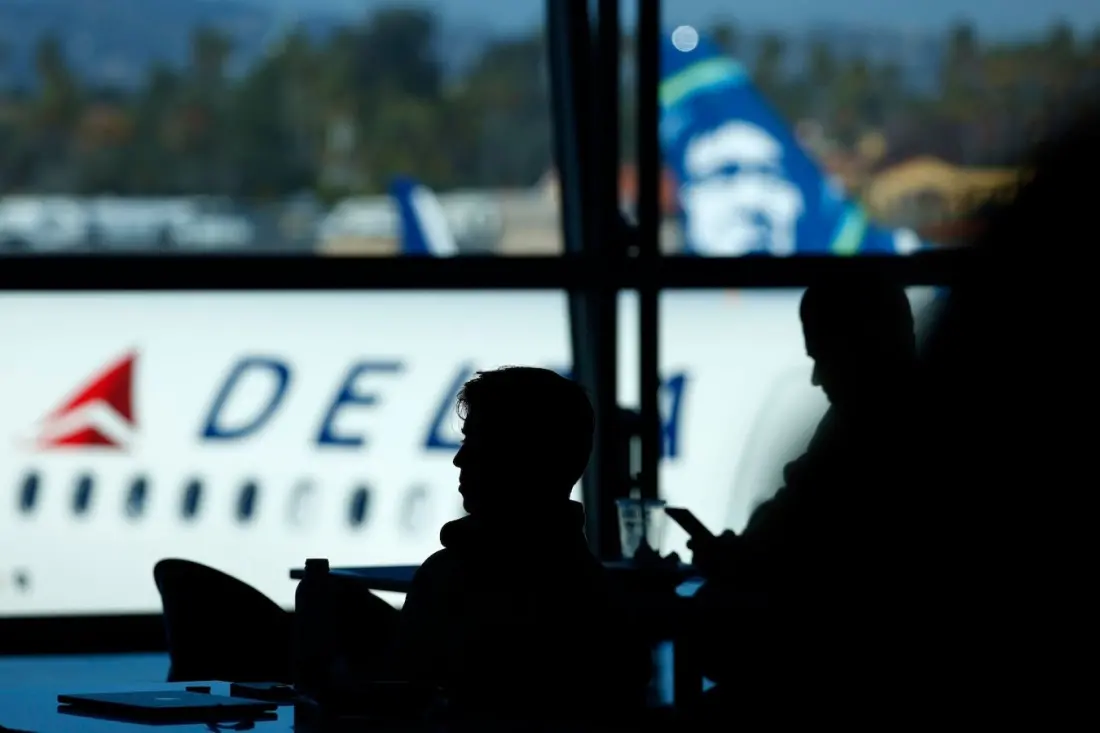
Seattle-Tacoma International Airport has quietly become one of the most competitive airports in America, and travellers are the ones cashing in. Delta Air Lines and Alaska Airlines both treat the city as a hub, and while Delta's CEO Ed Bastian insists there's no "battle for Seattle," the two carriers are plainly going after each other's customers.
On paper, Alaska dominates. This year it will operate roughly twice as many flights from SEA as Delta, and as the hometown carrier it has deep local loyalty. But Delta owns the long-haul international map for now, flying nonstop from Seattle to cities Alaska doesn't serve, including Shanghai, Taipei, Barcelona and Amsterdam. Its upscale Delta lounge at SEA even picked up a best new US airline lounge award in 2025.
Alaska, though, is no longer just a West Coast domestic airline. Since acquiring Hawaiian Airlines and its widebody fleet two years ago, it has pushed hard overseas. London and Rome launched the European push; Athens and Paris join next summer. The airline says it expects at least 15 long-haul destinations from Seattle by the end of the decade, and chief commercial officer Andrew Harrison has said Alaska aims to be the number one international carrier in Seattle by 2030. It is also adding lie-flat suites on key transcontinental routes and building a new premium "Aurora Lounge" at SEA to answer Delta's club.
Delta is talking peace while acting combative. Bastian called Alaska's moves "smart" and said Seattle is big enough for both, adding "you can cohabitate a bit." Yet within the past week Delta rolled out fare discounts aimed squarely at Alaska-based SkyMiles members, and when Alaska announced Rome, Delta quickly added its own Rome route. Both airlines also see Asia as the big prize, given Seattle's position as a natural West Coast launching pad.
For travellers, this is the rare corporate dust-up with a genuinely happy ending. Two hub carriers fighting for the same passengers means more nonstop routes from Seattle, newer premium cabins, and better lounges. Fares are the open question, but route choice and onboard product are already improving. If you're flying transatlantic or transpacific from the Pacific Northwest, it's worth comparing both airlines before booking — and watching for fare wars in the markets where they overlap.