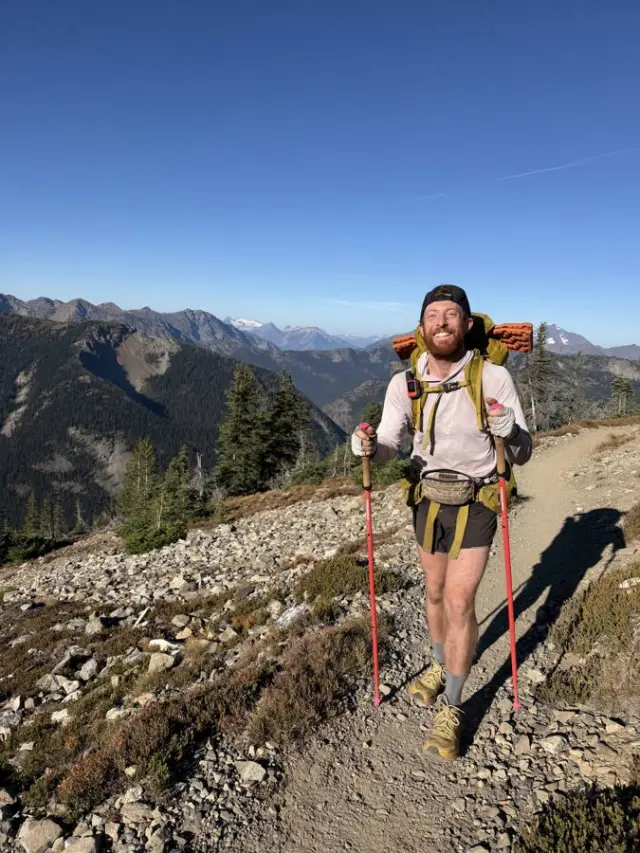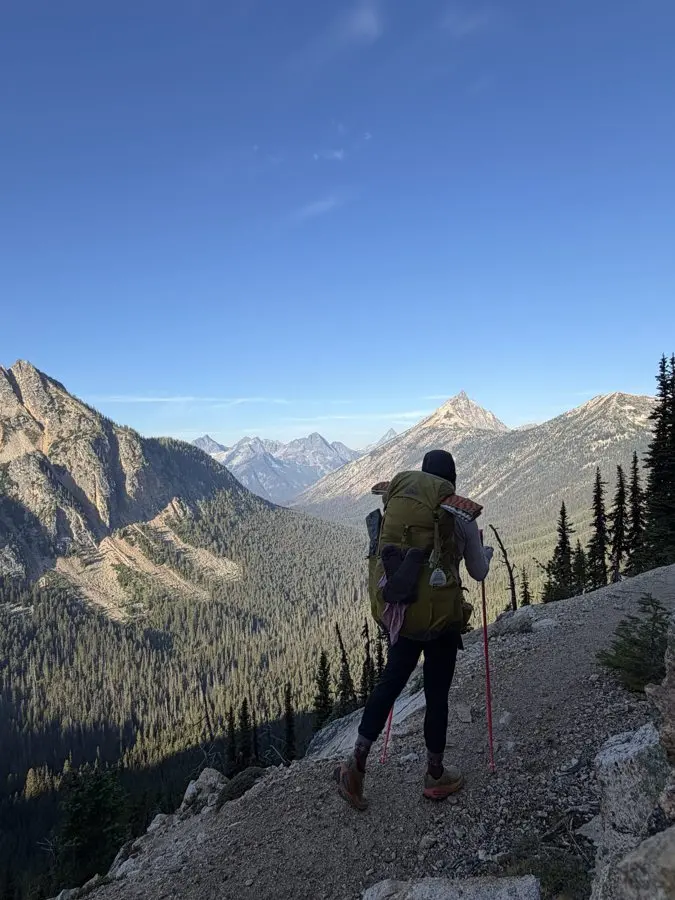
With 55 miles to go and the Canadian border three days away, a thru-hiker on day 156 of the Pacific Crest Trail is discovering that finishing a 2,650-mile walk is more complicated than it sounds. Writing for The Trek, the hiker describes waking at 6:30am in freezing conditions, forcing themselves out of the sleeping bag, and pushing toward Hart's Pass in Washington's North Cascades — the last significant trailhead before the northern terminus.
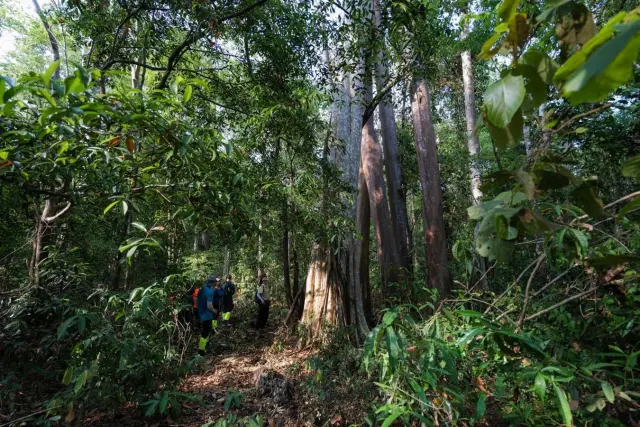
The day's arithmetic is the story of the whole hike in miniature. A 1,400-foot climb to Cutthroat Pass in the early morning, with alpenglow on the southern peaks and a haze that could be wildfire smoke or morning cloud. Then a 10-mile descent through dense forest, lunch beside a river, a 2,400-foot afternoon climb done at 2.8mph — a pace that would have taken more than four hours back in the deserts of Southern California or the Sierra Nevada. Five months of conditioning have paid off, and the hiker notes, with mixed feelings, that fewer than five climbs of that kind remain.
The mile markers tell their own story. Passing the 2,600-mile sign — the last numerical milestone before the terminus — prompts a memory of celebrating the 100-mile mark in the California desert, back when it was the longest hike of their life. Now it's just another checkpoint flashing past.
What's most interesting is the emotional turn. The hiker spent twelve years dreaming about this trail, training for six months with a weighted pack, and immersing themselves in PCT videos and books. But with the finish line in sight, the northern terminus has shifted from a goal into something close to a threat. The monument at the border is, in their words, just a bookend — the real substance is the five months of forests, rivers, mountain passes and solitude in between. The body wants rest; the mind wants the trail to never end.
For anyone tempted by a long trail, the piece offers a quiet insight that guidebooks rarely mention: the hardest part of a thru-hike isn't the climbing, it's the ending. The writer describes feeling 'liberated' by months without distraction, coexisting with weather, wildlife and mountains, and being sad at the thought of ordinary life resuming. There are also small practical textures worth noting for would-be Washington-section hikers: frequent campsites with pit toilets, riverside benches for lunch stops, and the possibility of wildfire smoke altering late-season views.
This is a good read for anyone considering the PCT's northern sections, dreaming about a first thru-hike, or simply curious what month 150-plus of a long walk actually feels like. It's less about logistics and more about the headspace — the bittersweet zone where every milestone is both a celebration and a countdown. If you've ever wondered why people get emotional about walking to a wooden monument in the woods, this explains it.