A fight is brewing in Washington over whether the vast federal lands Americans hike, hunt and camp on should host sprawling AI data centres — and a new bill aims to draw a hard line.
On November 11, Oregon Representative Maxine Dexter introduced the Protecting Our Public Lands from Data Centers Act. It would ban new data centres on national forests and lands managed by the Department of the Interior, and would require any federal land sold or transferred for a data centre without congressional approval to revert to government ownership. Thirteen Democratic cosponsors have signed on — but no Republicans, and a parallel Senate bill from Oregon's Ron Wyden was blocked by Senator Rand Paul back in September. So far, no restrictions have taken effect.
The timing matters. Just one day before Dexter's bill dropped, the Interior Department published its 2026–2030 strategic plan, which proposes selling federal land to states, local governments and tribes while expanding energy and infrastructure development to serve what it calls demand from "Super Intelligence" data centres. According to a November ProPublica investigation, the Bureau of Land Management is reviewing permits for roughly 15 data centres and 17 related infrastructure projects across six Western states.
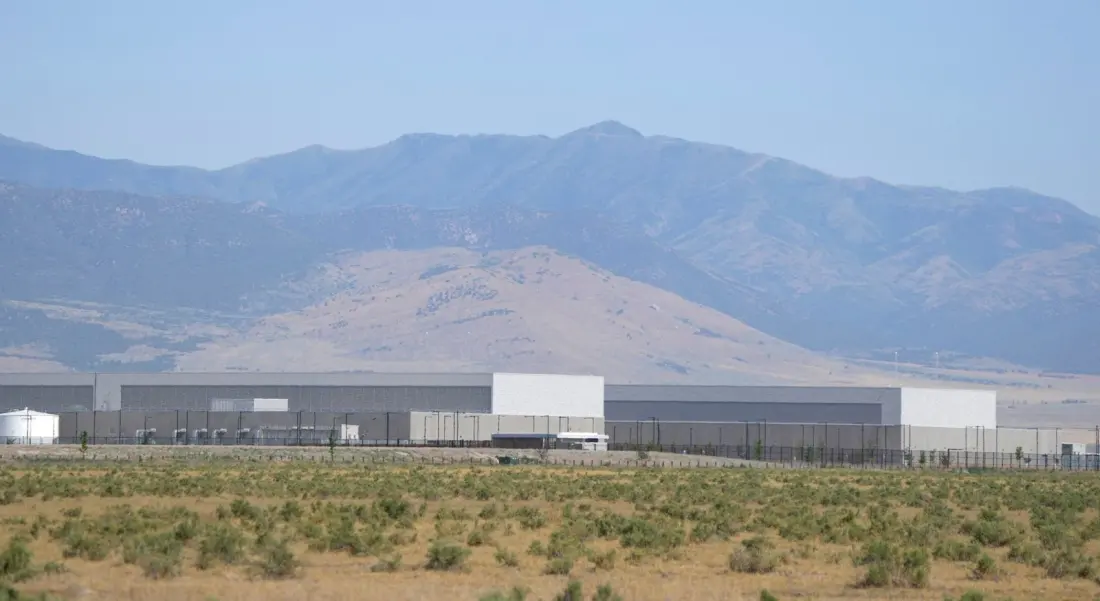
For outdoor travellers, the stakes are tangible. Outside reported in July that the BLM approved an 86-acre AI data centre about ten miles from Lake Mead National Recreation Area in Nevada — though an Interior appeals board has since paused the project. An interactive map published by the outlet identifies at least 14 proposed facilities within ten miles of national park boundaries. Critics argue these facilities strain electricity and water supplies, fragment wildlife habitat and can fence off land that was previously open to the public. "They're water-guzzling, pollution-spewing facilities that turn lands meant for wildlife and recreation into corporate industrial sites," said Randi Spivak of the Center for Biological Diversity.
Public opinion appears to be shifting too. Pew Research found in September that 54 percent of Americans now think data centres are bad for the environment, up from 39 percent in January. As more towns impose local moratoriums, developers are increasingly eyeing rural and backcountry sites — precisely the quiet landscapes many travellers head West to find.
Why should holidaymakers care? Because the public lands at issue — BLM holdings, national forests, the buffers around parks — are where most of the American West's boondocking, trail running, fishing and stargazing happen. If large industrial facilities and their power infrastructure start moving into these areas, the experience of visiting them changes, whether or not a formal park boundary is crossed. The bill is a long way from becoming law, but it signals a growing political pushback worth watching if you have trips planned around the Lake Mead area or other Western public-land destinations.
Original reporting: Outside Online.