There's a word circulating around US national parks that no traveller wants applied to them: "touron" — a mashup of tourist and moron that's reportedly been circulating among park rangers since the 1970s. It surfaced in wider public view when The Washington Post printed it in 1987, and it still pops up constantly in national park forums and comment threads today.
The term's exact origin is murky. One widely repeated — but probably apocryphal — story traces it to a Yosemite ranger in the 1980s who supposedly quipped that there's "considerable overlap between the intelligence of the smartest bears and the dumbest tourists," a line about bear-proof trash cans posted anonymously on old tech forum Slashdot. Interestingly, the people it's attributed to aren't keen to claim it. Writing in SF Gate in 2024, retired National Parks Bureau Chief Ashley Harrell noted that Yellowstone officials distance themselves from the term, and a California ranger said it wasn't common in his redwood parks. So think of it less as official ranger vocabulary and more as folklore that has stuck.
What earns someone the label? In short: treating wild, unpredictable places like a theme park. Feeding wildlife, edging close to boiling geysers, or taking risky selfies are the classics. More lurid reported examples include people attempting to swim in geysers, getting gored by bison after getting too close, feeding grizzlies through car windows, and one visitor who caught a squirrel in a bread bag and paraded it around the park. Another commenter recounted a Yellowstone guest who assumed bear spray worked like repellent — and sprayed his own children with it.
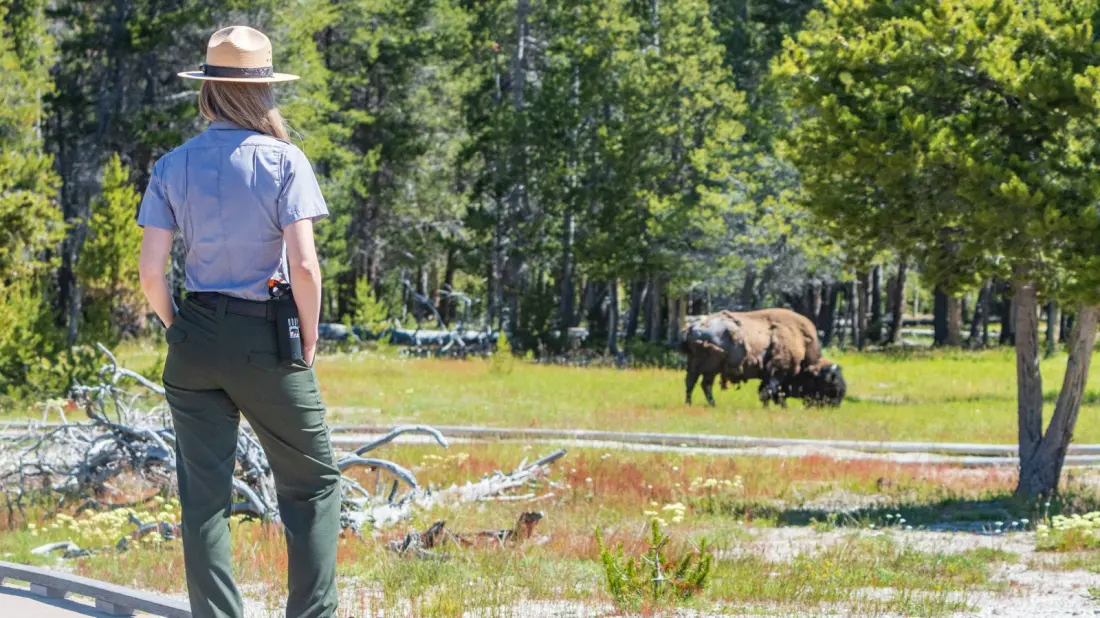
Beyond the comedy, the behaviour has real consequences. Harassing animals — bison bulls, protective mother bears, elk in rut — can get you charged, gored or trampled by a 2,000-pound animal. Blocking traffic on narrow park roads, littering, and lighting fires outside designated areas are rule breaches that can get visitors fined or banned. Social media has spawned spin-off insults — "tour-mites," "citiots," "visitron" — but none have caught on like the original.
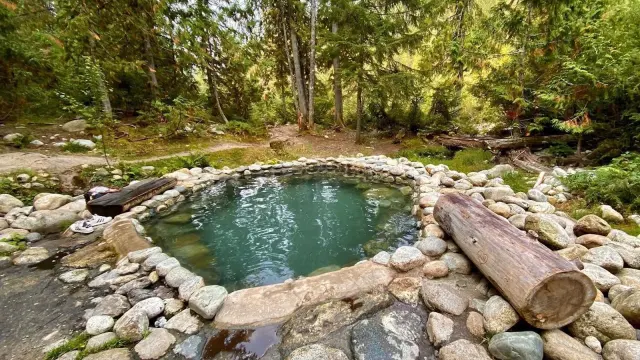
For anyone planning a US national park trip, the takeaway is simple: the rules exist because the wildlife and terrain are genuinely dangerous, not to spoil your photos. Keep the recommended distance from animals, stay on boardwalks around thermal features, store food properly, and read the park's guidance before you arrive. Do that and you'll leave with memories instead of a nickname — or a trip to the emergency room.