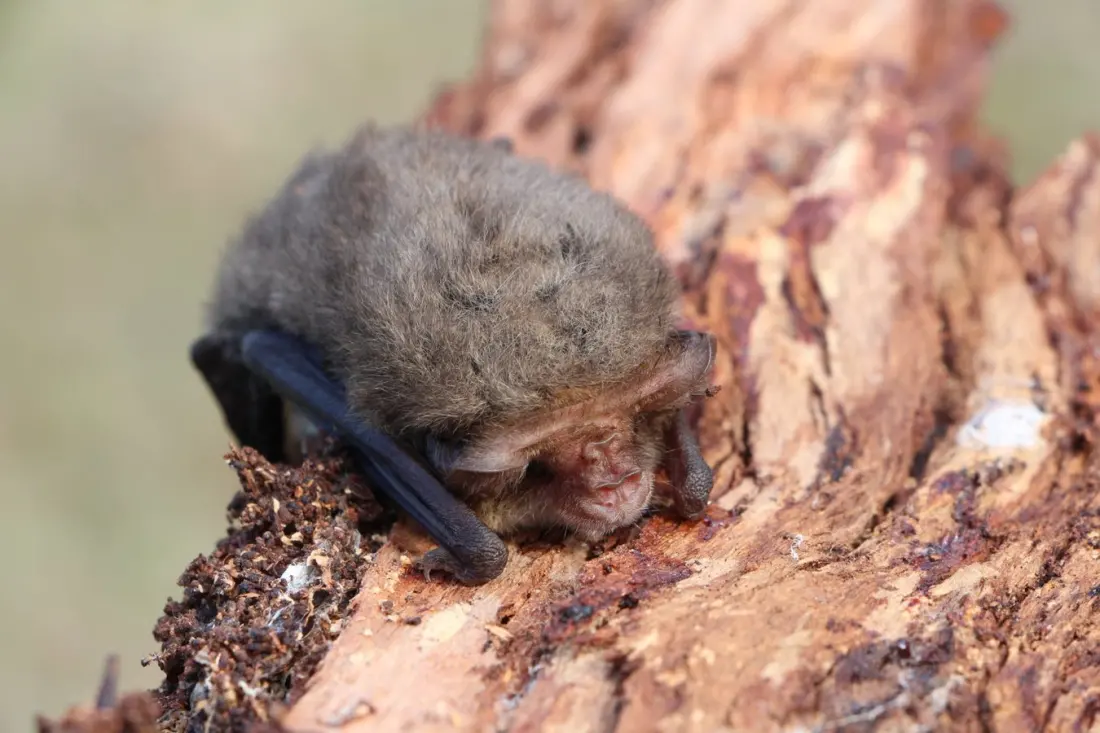
Tucked under loose bark in Sturt National Park, in far western New South Wales, the lesser long-eared bat shrugs off summer days that push past 46°C. Weighing just 6–8 grams — less than a two-cent coin — this widespread insect-eater has become the focus of a multi-year study into how Australian wildlife copes when the mercury climbs.
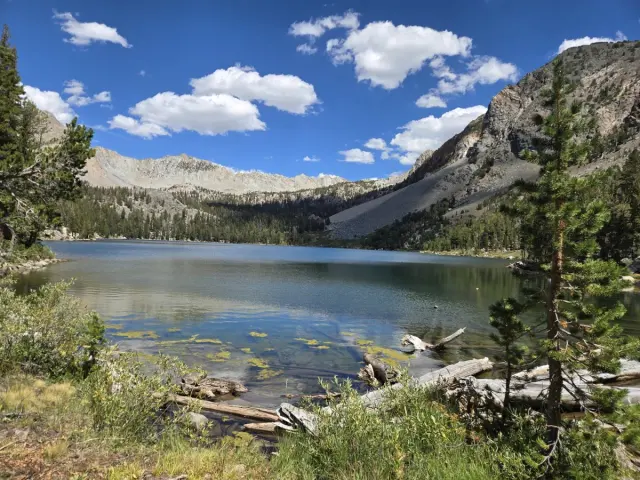
Ecophysiologist Dr Ruvinda de Mel from the University of New England tracked populations in three very different settings between 2022 and 2025: the cool New England tablelands around Armidale, the Murray River floodplain near Renmark in South Australia, and the desert of Sturt. The finding that stands out: desert females don't spend their own body water on cooling until air temperatures hit 42.5°C — the highest threshold recorded for any bat species anywhere.
The strategies vary by habitat. These bats can't sweat, so they cool themselves through breath and by licking their forearms — costly moves when water is scarce. Desert animals let their body temperature climb to extremes rather than drink into their reserves, sometimes hitting a skin temperature of 44.9°C, the highest ever recorded for the species in the wild. They also slip into torpor after sunrise, slowing their metabolism, then let the day's heat warm them back up for free. Tablelands bats, with streams and ponds on hand, spend water far more freely — and pay for it with heat tolerance about 4°C lower than their desert cousins.
Here's the twist: the best-adapted population is also the most at risk. In lab tests, female desert bats coped with about 45°C air temperatures and males with 43°C — but during a 2013 heatwave, Sturt hit 48.1°C. Modelling suggests a male bat would need to evaporate water equal to nearly half its body weight to survive that, well past the 31 per cent threshold where half the animals die in studies of similar small bats. Unlike river-side populations, desert bats have nowhere to refill.
Why should travellers care? Beyond being a fascinating window into how outback wildlife endures the heat, these bats are serious economic players: a 2021 study valued their pest control for Australia's $2 billion cotton industry at around $63.6 million a year, with tree-roosting bats clearing an estimated 6–8 million insects from cotton crops nightly. Heatwave losses could ripple through farm ecosystems faster than anyone notices — as de Mel puts it, if the bats go missing, the insects boom.
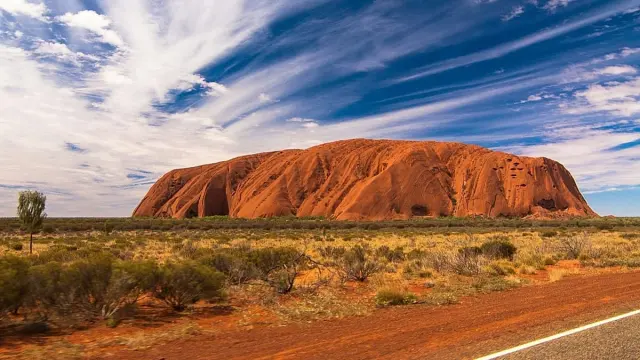
For anyone heading into outback NSW, Sturt National Park itself is worth knowing about: a remote, red-dirt corner of the country near the Queensland and South Australian borders, where summer travel demands serious heat preparation. The bats are roosting under bark and hard to spot, but knowing they're there adds a layer to any night under a desert sky.