A single-engine Piper Comanche crashed in the backcountry of Grand Canyon National Park's North Rim on 15 November 2026, killing all three people aboard. The wreck was found the following morning in the Basin area of the Kaibab Plateau, after an overnight search involving night-vision and infrared equipment.
The sequence of events, laid out by the National Park Service: the Grand Canyon Regional Communications Center took a call about the missing aircraft at 11:30pm on the 15th. An Arizona Department of Public Safety plane swept the area from the air through the early hours, and NPS crews spotted the debris field at around 10:15am on 16 November. There were no survivors. The NTSB is investigating; neither the victims' identities nor a cause have been released. The Piper Comanche is a vintage design, built between 1958 and 1972, seating four to six.
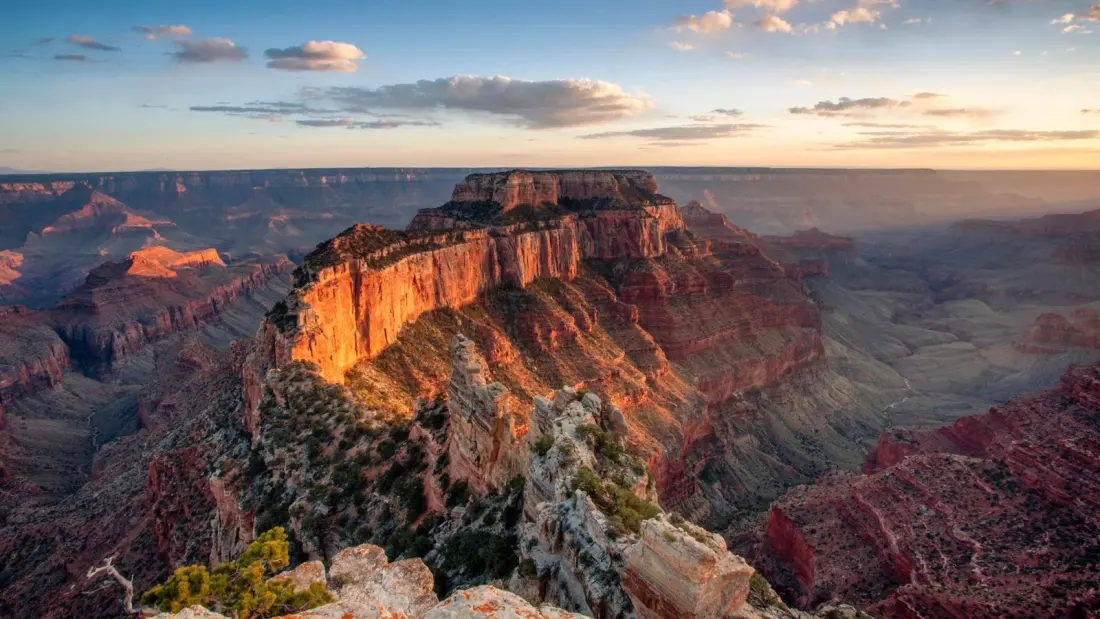
The search drew in an unusually broad coalition: Coconino County Search and Rescue, Kane County Search and Rescue from across the Utah line, the Arizona DPS and the Air Force Rescue Coordination Center. That scale reflects the terrain — the North Rim sits at roughly 8,300 feet on the Kaibab Plateau, about a thousand feet higher than the South Rim, and is steep, forested and thinly served by roads.
For anyone planning a trip, the location matters. The North Rim receives only about ten percent of the park's visitors, and for good reason: all facilities shut from November through April, and the road into the park closes in December. A crash in mid-November lands right at the tail end of the short season, when daylight, temperatures and access are all working against rescue crews.
The incident also adds to a sobering history. NPS records show 12 aircraft incidents in the park since 1986 — nine crashes and three emergency landings — with at least 21 deaths. The Grand Canyon's aviation past runs deeper still: the 1956 mid-air collision between a TWA Super Constellation and a United DC-7 over the canyon killed all 128 aboard and is widely credited with prompting the creation of the FAA. In 1986, 25 people died when a sightseeing plane and a tour helicopter collided; in 1989, ten died in a Twin Otter crash near the Grand Canyon Airport.
For travellers, the takeaway isn't alarm but context. Overflight rules and tour operations in the canyon are heavily regulated precisely because of this history, and the North Rim remains a place where self-reliance counts — services are sparse, the season is short, and help is a long way off if something goes wrong. If you're heading to the quieter side of the canyon, plan around the closures and know that remote areas of the park can be genuinely remote.