Getting waved through passport control feels random, but a lot of the decision-making happens long before you land. In the United States, Customs and Border Protection runs an Automated Targeting System that scores passengers using data airlines are required to hand over — passport details, booking dates, itineraries, payment information, baggage counts and even who you're travelling with. As one CBP spokesperson put it, most of the work is done before a traveller even boards the plane. Even Global Entry members and people using the new passport-free Enhanced Passenger Processing, which uses facial recognition at participating airports, are still being reviewed behind the scenes.
So what gets an officer's attention? Five things come up repeatedly: your travel history, how you act in the queue, how you answer questions, whether your documents add up, and what you're carrying. None of these alone will get you in trouble — sweating through a long-haul arrival is normal — but inconsistencies matter. If your story about a two-week holiday doesn't match your booking, or your ESTA is linked to an old passport number after a renewal, expect a longer conversation.
The practical advice from CBP staff is refreshingly simple: know your own trip. Have the address of your accommodation, the name of the person you're visiting if relevant, and a rough plan in your head. Answer plainly and honestly, and resist the urge to fill silences with nervous chatter. If you're pulled aside for secondary inspection, that isn't an accusation — some travellers are selected at random.
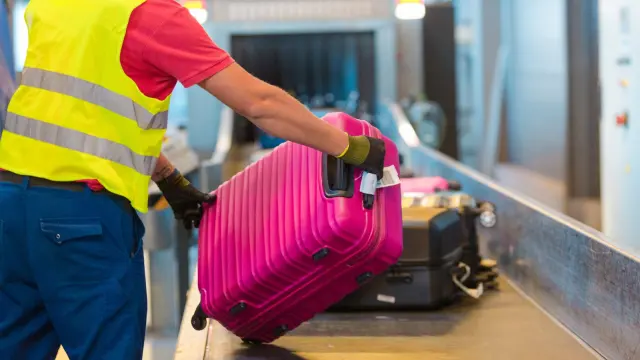
The costliest mistakes are usually on the customs side, not the immigration side. Declaring is free; getting caught not declaring isn't. CBP seized more than $250,000 worth of undeclared Cartier jewellery from a passenger arriving in Philadelphia from Amsterdam after she ditched the boxes and receipts — a reminder that even trusted travellers get compliance checks. Smaller slip-ups count too: an undeclared apple in your carry-on can trigger a search and a fine, since officers watch for agricultural items like fruit, seeds and plants that could carry pests. Cash over $10,000 must be reported, and bringing that amount legally isn't the issue — hiding it is.
It's also worth knowing the system differs by country. In the US, one agency handles both immigration and customs; in France, the Police aux Frontières checks documents while the Douanes handle goods. Either way, the basics travel well: valid documents, honest declarations, consistent answers.
For holidaymakers, the takeaway is less about fear and more about admin. Renewed your passport recently? Check your ESTA is still linked correctly. Packed a souvenir gift or snacks? Declare them — over-declaring costs nothing. And before you fly, skim the destination's customs rules, because restrictions vary by product and country of origin. A minute of preparation beats a fine and a missed connection.
Story based on reporting from Explore.com.