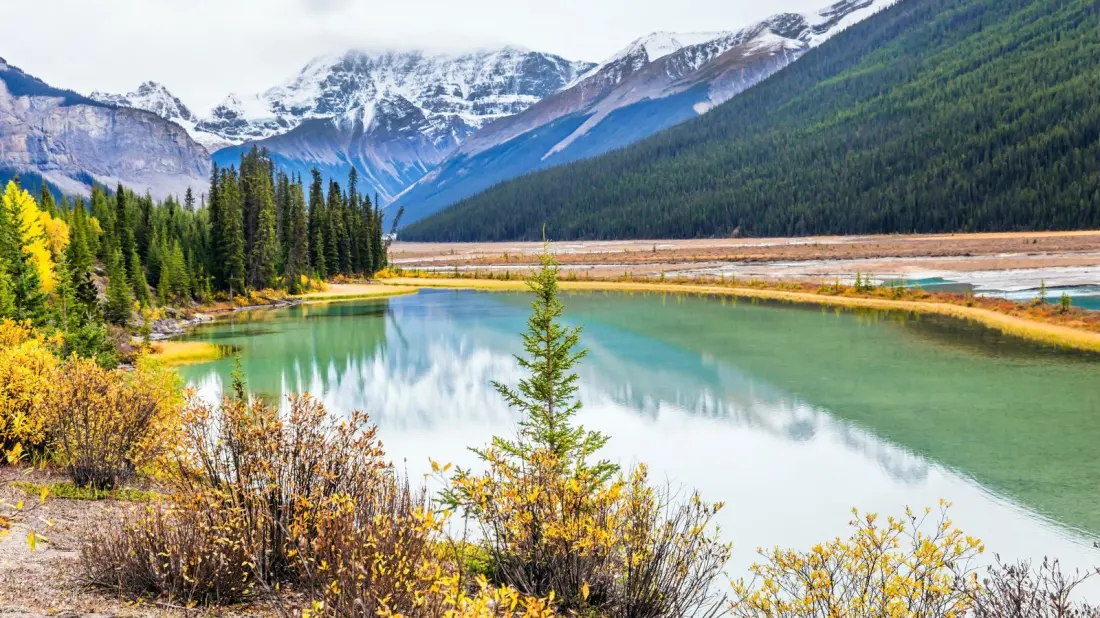
At 3,030 square miles, Lake Athabasca is the largest lake in both Alberta and Saskatchewan, with most of its 175-mile length sitting in Saskatchewan. It's also the 10th largest lake in North America and over 400 feet deep at its deepest point. Yet hardly anyone visits — and that's exactly its appeal.
The lake sits deep in the boreal forest, reachable only by plane or boat in summer, or by winter road once the ice sets in. Its southern shore is famous for sand dunes that form the largest active sand surface in Canada, but most people come for the fishing. Anglers here chase 23 species, including lake trout, walleye, Arctic grayling, northern pike and burbot. The record books are serious: the largest lake trout ever recorded — a 102-pounder — was pulled from a commercial gill net here in 1961, and northern pike over 50 inches have been caught. Anything over 40 inches of pike counts as rare.
Practicalities matter here. Live fish are prohibited as bait in both provinces, and fishing licence rules differ depending on age and residency, so check before you go. The handful of local lodges handle the logistics too — they'll fly you in on prop planes and take you out on the water.
Non-fishers get plenty too. The western end near Fort Chipewyan sits just outside Wood Buffalo National Park, Canada's largest national park, home to more than 200 bird species plus moose, wood bison, wolves, lynx and bears. The lake and its rivers attract tundra swans, geese, ducks and shorebirds, especially during migration.
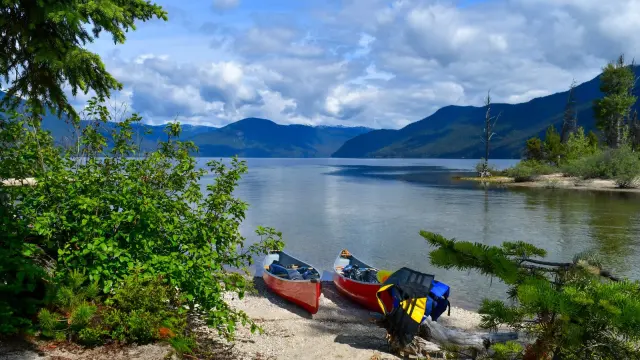
For camping, expect true solitude. Random backcountry camping is permitted at Fidler-Greywillow Wildland Provincial Park on the northern shore, which has zero facilities and lies 28 miles from Fort Chipewyan. If that's too rugged, the small lakeside towns offer basic accommodation: Fort Chipewyan, Alberta's oldest European settlement with roughly 640 residents; Fond du Lac with about 1,000; and Uranium City, a former mining town of just 70 people.
This is a trip for anglers chasing a trophy pike or trout, wildlife watchers happy to earn their sightings, and anyone who genuinely wants to get away from crowds. You'll need to plan carefully — flights, licences, supplies — but few places in North America feel this untouched.