Long before oil made the Gulf rich, pearls did. Until the early twentieth century, pearling was the economic engine of countries like Bahrain and Qatar — at its height, an estimated half of all men in these small states worked in the trade in some capacity, from diving to dealing. Bahrain's exports peaked in the early 1910s, and to this day its pearls are considered the region's finest; large single stones can fetch tens of thousands of dollars, and even Queen Elizabeth wore Bahraini pearls.
The industry's decline had two causes: oil changed the economics of everything, and Japan's invention of cultured pearls flooded the market with cheaper alternatives. There's also a darker chapter — the trade leaned heavily on enslaved divers who worked brutal depths with little more than wooden pegs on their noses, until British abolitionist pressure slowly ended the practice.
What makes 2025 interesting is that pearling is having a comeback, not commercially but culturally. In Bahrain, a younger generation — many descended from pearling families — is reviving the practice as a link to heritage and the sea. The country's Pearling Path, the historic pearling quarter in the former capital Muharraq, has been a UNESCO World Heritage Site since 2012.
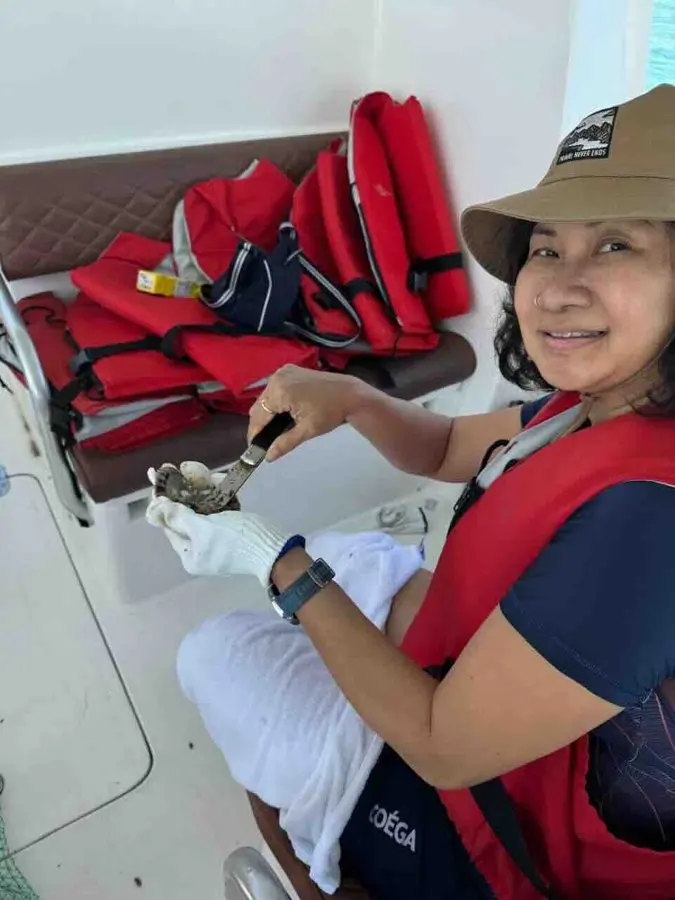
And you can try it yourself. On a recent trip between Bahrain and Qatar, a group boarded a boat from Manama and, about 30 minutes off the coast, anchored in shallow, strikingly clear water. Winter sea temperatures are far from tropical, but wetsuits help. The method is simple: flippers, a snorkel, and a mesh bag on your wrist. Guides dove straight down and hauled up around 20 oysters within minutes; less practised swimmers took longer, but diving to roughly four metres is achievable for most reasonably fit people.
Back on the boat comes the payoff — shucking. Most oysters hold nothing, which puts the old divers' hardships in sharp relief: they worked far deeper, without modern gear, for a living rather than a laugh. But a lucky day yields baby pearls, and even a modest one makes a genuinely personal souvenir from the sea. Small oysters go back overboard, keeping the practice sustainable.
For travellers, this is one of the Gulf's more distinctive experiences — a hands-on connection to a history that Dubai-style skylines can't tell. It suits snorkellers and curious swimmers rather than serious divers, and it pairs naturally with Bahrain's UNESCO sites and Muharraq's old streets. Several operators now run pearl snorkelling trips, typically as part of wider Gulf itineraries.
Story via Young Pioneer Tours.