A 19-year-old hiker spent a cold night on a ledge barely wide enough to stand on in Big Bend National Park, after a fall left him stranded in terrain no ground rescue team could reach. The rescue, completed by a National Guard Black Hawk the next morning, is a stark reminder of just how unforgiving this corner of far West Texas can be.
The trouble began on November 13, when the hiker's gear gave way and he dropped about ten feet onto a narrow ledge. He fell in an area inaccessible to rescuers on foot, so park officials called in a Georgia Army National Guard medevac crew stationed nearby as part of the border-security task force along the Texas–Mexico line. The Black Hawk launched that night, but with gusts near 35 mph, poor lighting and storms rolling in, the crew made the call to turn back. Aircraft commander Chief Warrant Officer 2 Gregory Hiett later described the decision to leave the hiker overnight as extremely difficult — but the right one.
Park responders stayed with the man through the night. At just after 9 A.M. on November 14, a second mission flew out, and flight medic Holly Johnson was lowered 150 feet on a cable to the ledge. She assessed the hiker, found he was uninjured, secured him in a rescue vest and hoisted him to the aircraft. By 10:45 A.M. he was on his way to Big Bend Regional Medical Center.
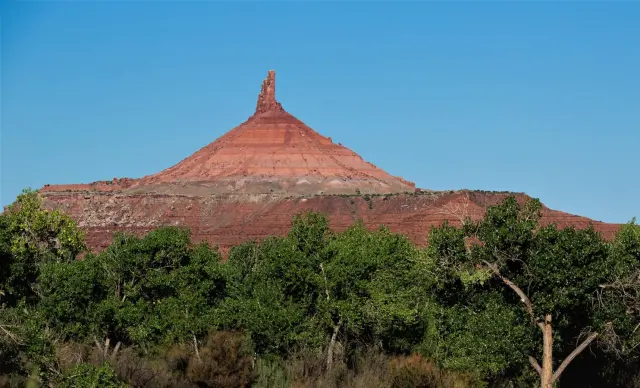
The reason a helicopter was needed at all says a lot about Big Bend. The park sprawls across 800,000 acres along the Rio Grande, more than 100 miles from the nearest major city, with 1,500-foot limestone cliffs and a harsh stretch of Chihuahuan Desert wedged against the Chisos Mountains. The National Park Service is blunt about the conditions: cell service is unreliable, infrastructure is sparse, and many roads are primitive — some wash out entirely after flash floods, while backcountry trailheads often require high-clearance four-wheel-drive vehicles to reach.
For travellers, the takeaway is simple: Big Bend rewards preparation as much as any park in the country. Even a short fall in the wrong spot can put you somewhere rescuers cannot walk to, and weather — wind, storms, sudden floods — can delay help by hours. Carry more water than seems reasonable, download offline maps because your phone likely won't help out there, check road conditions at a visitor centre before committing to a backcountry route, and let someone know your plan. If you're renting a vehicle to explore the dirt roads, make it a proper 4WD. Big Bend's isolation is exactly what makes it extraordinary — but, as this rescue shows, it's isolation you have to plan for.