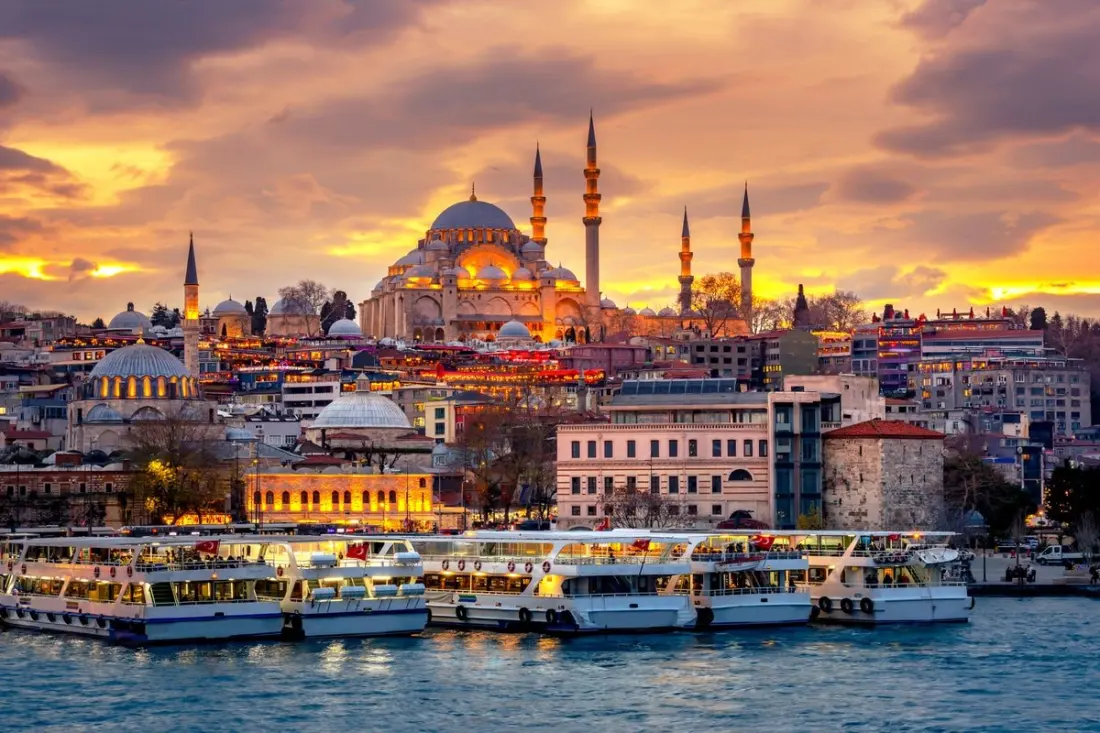
Turkey is holding steady as one of the UK's favourite holiday spots, and despite the conflict rumbling across the Middle East, the Foreign Office has not issued any new warning against travelling there. Flights to Istanbul, Antalya and Ankara are running largely on schedule, with only some delays reported, and holidays are operating as normal.
That said, the FCDO describes the regional situation as "unpredictable" following the US and Iran memorandum of understanding, and warns that attacks "could resume at short notice". Its standing advice still tells people to avoid all travel within 10km of Turkey's border with Syria because of fighting and an elevated terrorism risk. Turkey's biggest resort areas – Istanbul, Antalya, Bodrum – sit a long way from both the Syrian and Iranian borders, so the practical impact on most beach and city breaks is minimal.
If you were thinking of crossing into Turkey overland from Iran, note that the land border is open visa-free for UK and Iranian passport holders for stays up to 90 days, but Brits must request facilitation from the British Embassy in Ankara before heading to the border. The FCDO is blunt about Iran itself: entering is at your own risk, and holding a British passport alone can be grounds for detention there. Travellers across the wider region should be ready for possible flight cancellations, airspace closures and general disruption, and it's worth signing up for FCDO email alerts.
There's also fresh guidance on what you say. The FCDO recently updated its advice to make clear that insulting the Turkish nation or flag is illegal, as is insulting the President or Mustafa Kemal Atatürk, the republic's founder. Those laws apply to online posts too, no matter where or when you wrote them, and carry prison sentences of six months to three years. Defacing Turkish banknotes is also a criminal offence. Keep social media in mind before you fly.
Separately, Turkey has been in the news for a crackdown on LGBTQ+ groups. Dozens of people were detained in Istanbul after a protest outside a courthouse demanding the release of activists held in earlier raids, which the justice minister said were aimed at protecting "children, the institution of the family, and public order". Same-sex activity is legal, but the FCDO notes much of the country is socially conservative and public displays of affection can attract unwanted attention. In July, a Virgin Voyages cruise carrying LGBTQ+ passengers was refused permission to dock at Kusadasi, with local officials calling its passengers incompatible with local moral values.
For anyone with a booking, the key takeaway: because there's no warning against non-essential travel, you won't get special cancellation rights. Standard provider terms apply, and travel insurance won't cover cancelling over safety worries unless government advice changes. If you're uneasy, talk to your operator about postponing rather than expecting a refund.
Bottom line: Turkey remains open for business and most trips are unaffected, but brush up on local laws, steer clear of the Syrian border zone, and keep an eye on FCDO updates if the regional situation shifts.
The Independent Travel