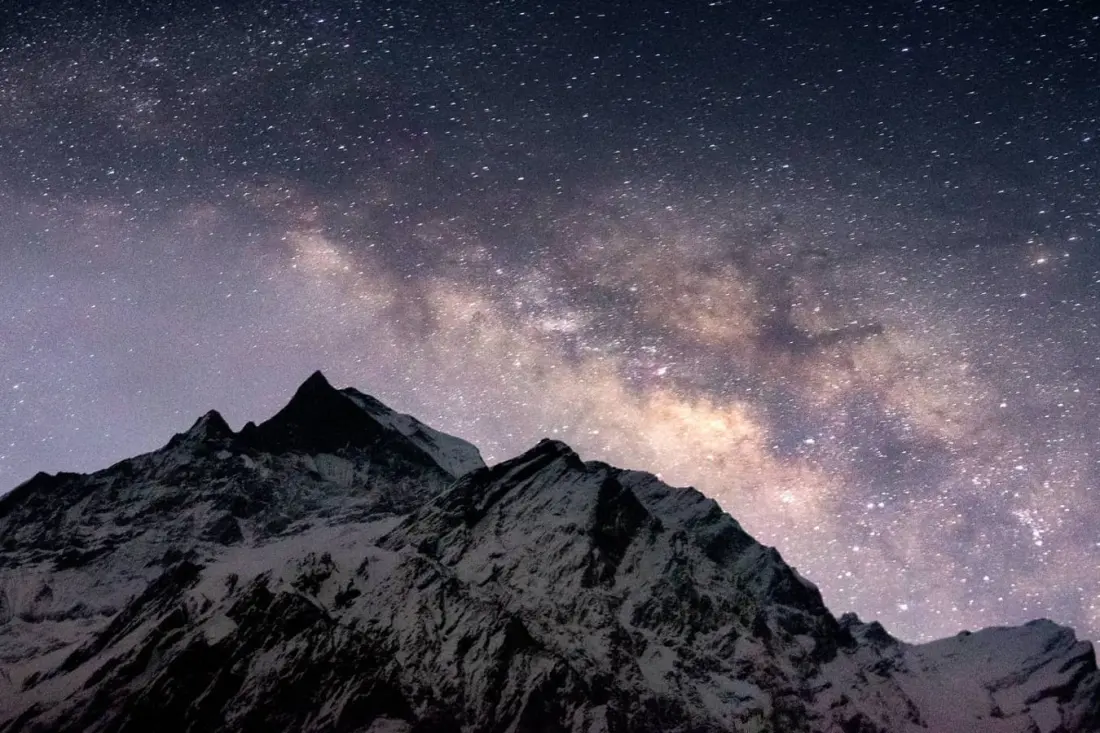
Pokhara spent four years kitting itself out with 23 high-mast lights and 2,000 'smart' streetlights under its Light Up Pokhara Campaign, and the Nepal Electricity Authority has since rolled out another 200 high-illumination poles across Nepal. The city looks safer and busier after dark — but travellers who come for the mountains are noticing a trade-off: the Milky Way, the constellations and the moonlit ridgelines of peaks like Machapuchre are getting harder to see.
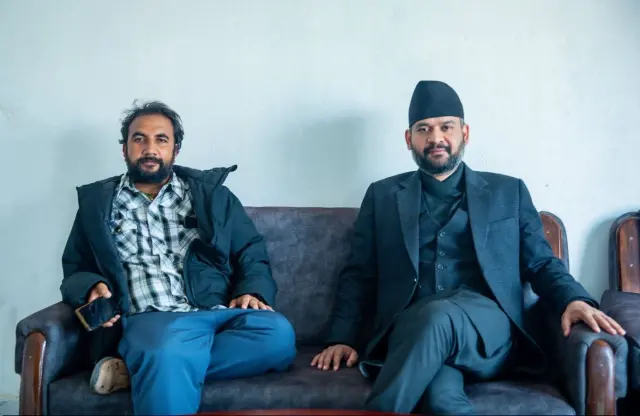
The problem is what the lights are landing on. High-lumen LED masts designed for stadiums are going up in central Pokhara rather than at sports grounds, and the glow spills far beyond the pavement. Across Phewa Lake, the forested slope of Raniban — home to birds, butterflies, newly catalogued damselflies, and once alive with fireflies and bats after dark — is now lit up by the city. Street festivals add fireworks and loud music to the mix. Hum Gurung of Bird Conservation Nepal and Birdlife International, who lives in Pokhara, says the city simply lacks urban planning that keeps illumination away from natural areas.
The issue isn't confined to cities. On Arwa Danda, a forested hilltop about 40km east of Pokhara, locals installed a 16-metre pole carrying a 60,000-lumen LED lamp — on an isolated ridge where nobody could explain why it was needed. Gurung's social media post dubbing it 'The Two moons of Pokhara' prompted mayor Dhana Raj Acharya to suggest switching it off after 10PM, but that never happened. Trekkers camping nearby recently found the light spoiling a full-moon view of the Annapurna range.
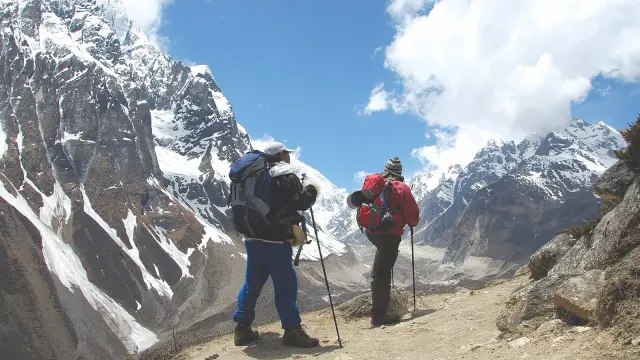
Nepal's hilltops are sprouting viewtowers as tourism projects, and lighting them up has become a fashionable way to 'promote' a destination — even though a big part of Nepal's appeal is precisely the dark sky: trekkers travel from around the world to see mountains glowing under moonlight and stars that their home cities can no longer show them. Research on artificial light at night points to real biological costs too, disrupting circadian rhythms in wildlife and humans alike, with skyglow and even car headlights now reaching rural areas that used to be properly dark.
For travellers, this is worth knowing before you go. Pick accommodation away from the lakeside strip if a clear view of the night sky matters to you — villages across or away from the lake, and higher ridges, still have darker horizons. The night sky over the Annapurna foothills remains one of Nepal's great free experiences, but its future depends on whether Pokhara's civic pride in being 'lit up' can be squared with the darkness its visitors actually come for.