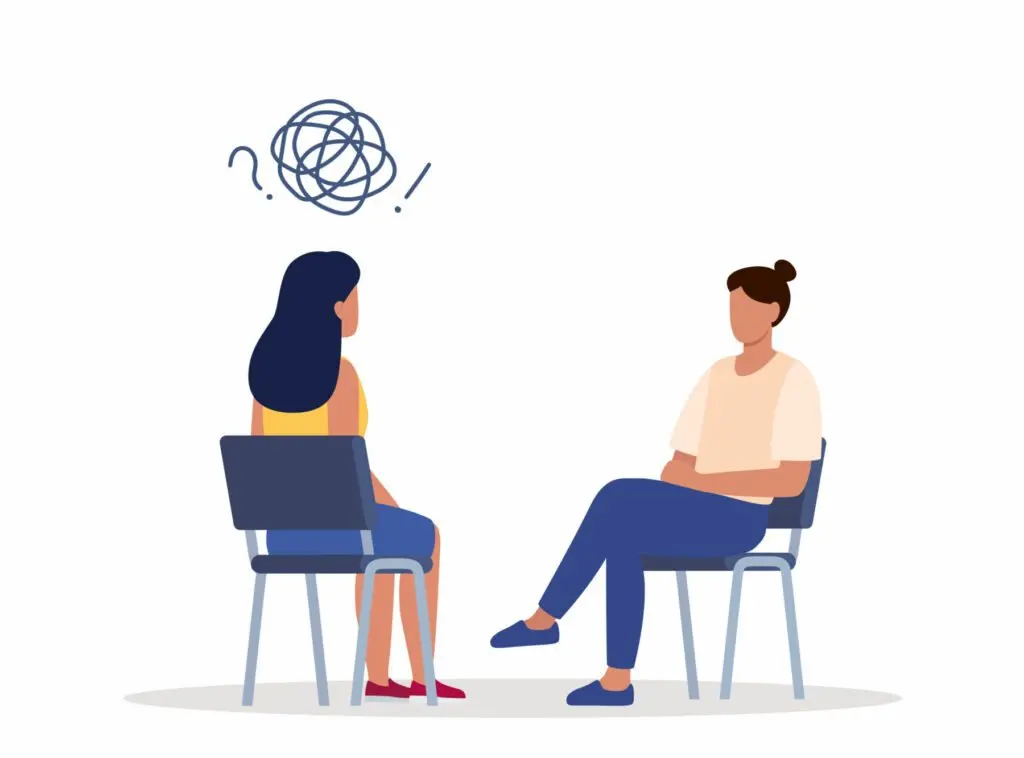
Indian couples building a life in Vietnam — Ho Chi Minh City, Hanoi or anywhere else in the country — have more options than they might think when a relationship hits a rough patch. The core choice is between a local, in-person therapist and an India-based counsellor working online, and each route has real advantages.
For face-to-face sessions, Hanoi's Crosspoint offers couples counselling including Emotionally Focused Therapy (EFT), which focuses on spotting negative patterns and rebuilding emotional connection. Ho Chi Minh City has English-speaking psychologists and private clinics that work with couples too. The catch: not every therapist who sees individual clients is trained in relationship work, so check couples-specific experience, whether both partners can attend together, which languages are available, and the per-session cost before committing.
The online route appeals to couples whose conflicts are rooted in things an Indian therapist may understand more instinctively — money sent home to parents, involvement of extended family, decisions about whether to stay in Vietnam or return. Platforms such as PsychiCare and LeapHope offer online marriage counselling for Indians living abroad, covering communication breakdowns, trust issues, intimacy and family conflict. One practical bonus: Vietnam is only 90 minutes ahead of India, which makes scheduling with India-based professionals straightforward. Couples outside the two main cities, or with one partner temporarily abroad, can often join video sessions from different locations — just ask first.
The source also sketches the pressures expat life tends to amplify: one partner thriving in Vietnam while the other wants to go home; parenting and household load with no relatives nearby to share it; in-law expectations that don't vanish at the border; and couples who stop fighting and stop talking, drifting into roommate territory. Persistent tension can also affect children — unusual anxiety, withdrawal or school reluctance may warrant a consultation with an online child psychologist, though sometimes clearer communication at home is the fix.
Whichever route you pick, vetting matters. Ask about qualifications, couples-therapy training, experience with Indian couples overseas, session languages, confidentiality and whether the therapist is even permitted to counsel clients living in Vietnam. Check the full fee, cancellation policy and international payment charges before booking. And treat anyone promising to "save your marriage in X sessions" with suspicion. If one partner refuses counselling altogether, individual therapy can still help; where there is intimidation or violence, safety and appropriate local support come before joint sessions.
For expats and long-stay visitors in Vietnam, this is genuinely useful practical knowledge — not the usual holiday fare, but the kind of support network information that matters when life abroad gets hard.
Via Vietnam Insider