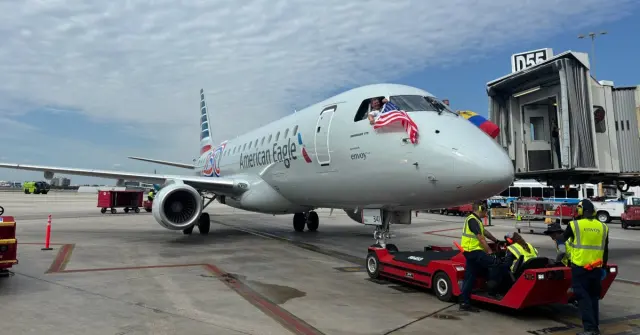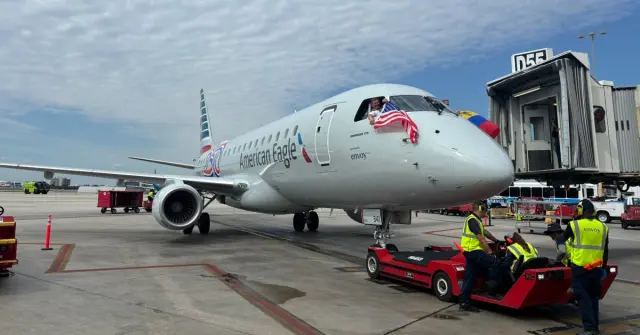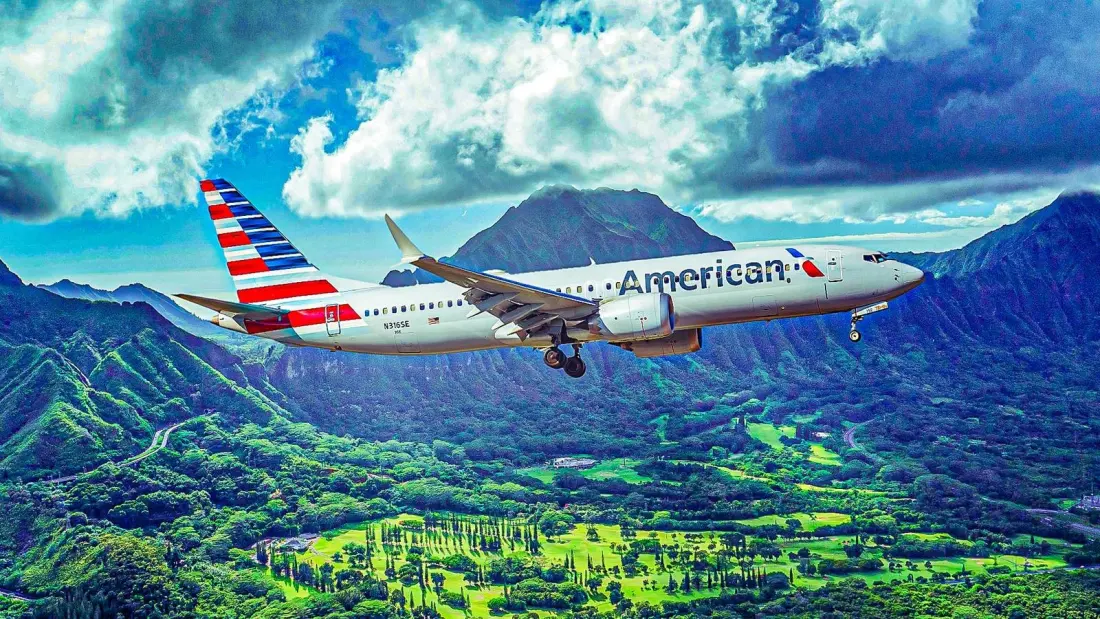
After more than two years away, American Airlines is flying to Haiti again. On November 1, the carrier launched daily nonstop service from Miami International Airport to Cap-Haïtien International Airport in northern Haiti — and made it the first major US network carrier to restore flights to the country since airlines pulled out in 2024. The inaugural flight was operated by an all-Haitian, Creole-speaking crew under Captain Oliver Jean, a detail that resonated strongly with Haitian-American communities on both ends of the route.
There's a catch, though: the capital remains off-limits. In November 2024, gunfire hit aircraft operated by American, JetBlue and Spirit near Port-au-Prince, triggering an industry-wide suspension and FAA restrictions on US commercial flights to the city. Those restrictions have since been narrowed to apply to the area around the capital, which means airports elsewhere in Haiti can receive US carriers. Cap-Haïtien sits safely outside the restricted zone, while Toussaint Louverture International Airport in Port-au-Prince is still closed to US airlines. American's return doesn't mean conditions across Haiti have normalized — travellers heading further south will need to plan ground transport and weigh local security conditions carefully.
The route itself is a revival rather than a novelty. American served Cap-Haïtien from 2014 to 2020 and has operated in Haiti since 1971, but hadn't touched down in the northern city for more than six years before this relaunch. Flights use Boeing 737s, and the airline counts Cap-Haïtien as its 100th destination in the Caribbean and Latin America — a regional network it says is bigger than any other US carrier's.
For travellers, the Miami connection is the real unlock. American runs more than 410 peak daily flights from Miami to over 170 destinations in 46 countries, so anyone in New York, Orlando or beyond can connect through to Cap-Haïtien without cobbling together awkward itineraries. South Florida has the largest Haitian-American population in the US, and the direct link is aimed squarely at family visits, business trips and homecomings — the routes that matter most day to day.
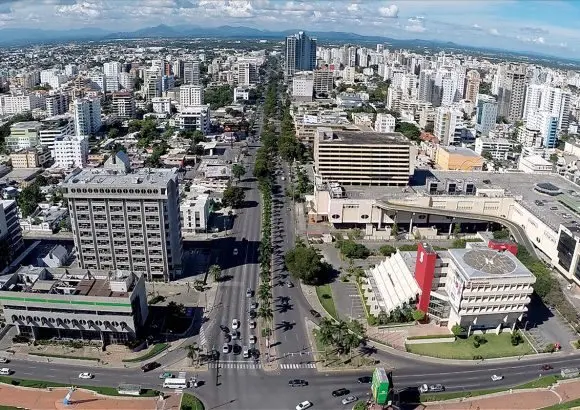
Who should care? Primarily the diaspora, for whom this restores a one-stop option to northern Haiti on a major US carrier. It also matters for travellers drawn to Cap-Haïtien itself: it's Haiti's second city, a colonial-era port near the UNESCO-listed Citadelle Laferrière, and a more manageable base than the capital. Anyone considering the trip should still monitor State Department guidance closely, as the country's security situation remains volatile outside the airport perimeter. Whether Port-au-Prince ever rejoins the network depends on security improving and the FAA lifting its remaining restrictions.