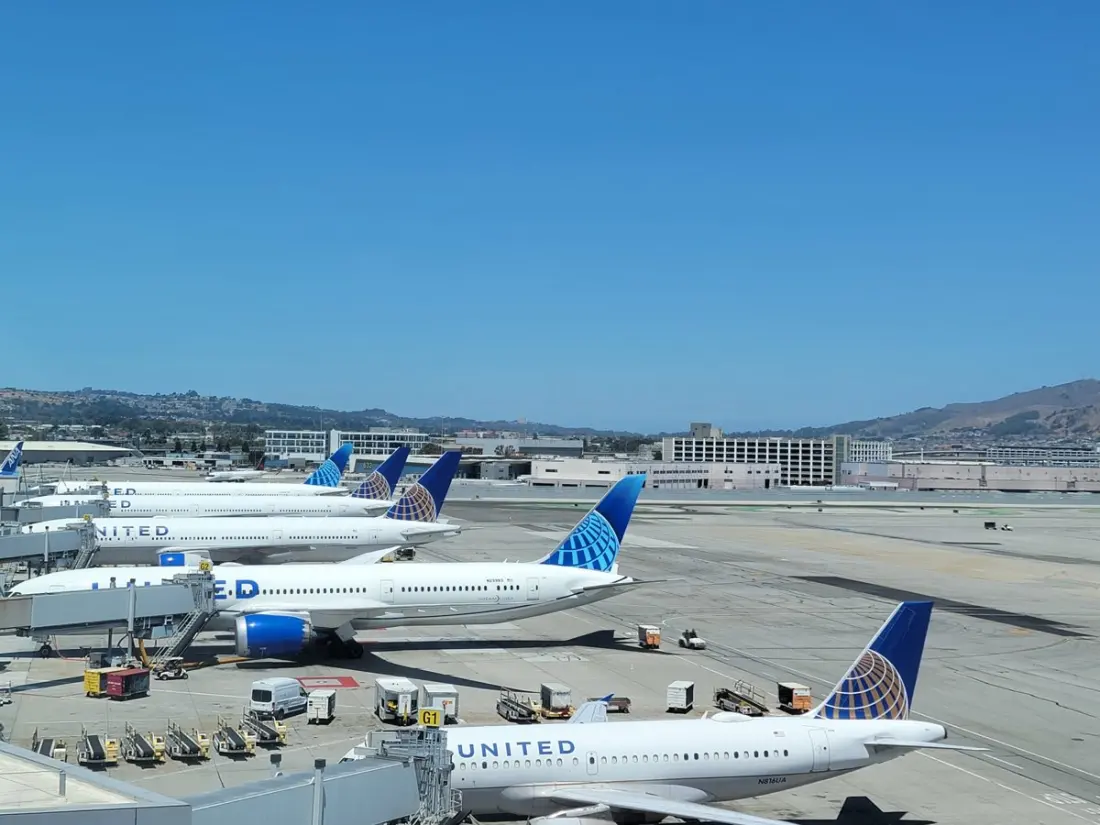
United CEO Scott Kirby has called Delta's transpacific expansion "low yield and half empty", telling employees that United is five times bigger in the Pacific, that SFO is the best gateway across the ocean, and that Delta doesn't have the right aircraft. Confident words — but the numbers behind them are less lopsided than they sound, and the real story is a fresh wave of nonstop options for travellers.
Delta's Pacific build-out is substantial. Daily Los Angeles–Hong Kong flights launched on 6 June 2026 using an A350, with a big cargo push (over 20 tons of freight capacity per flight). Los Angeles–Manila starts 28 March 2027, going daily by June. Seattle–Tokyo Narita begins 27 March 2027 alongside the existing Haneda flight. Los Angeles–Melbourne went daily for peak season from 22 December 2025, joining Sydney, Brisbane and Auckland. Add Shanghai from LA, Seattle–Taipei, planned Singapore service and deeper Seoul flying with joint venture partner Korean Air, and Delta is clearly serious about the Pacific.
Kirby's "5x bigger" claim doesn't survive contact with the numbers. In the second quarter of 2026, United booked $1.788 billion in Pacific passenger revenue against Delta's $832 million — roughly double, not five times. United genuinely has the deeper network: San Francisco as a fortress hub, dozens of destinations, partners like ANA and Air New Zealand, plus Guam. But United's lead doesn't stop Delta profiting on new routes out of Los Angeles and Seattle, and it doesn't stop United having to discount to keep its own planes full.
The aircraft argument is also shakier than Kirby suggests. Delta's A350s suit Hong Kong, Manila and Melbourne, though they need plenty of passengers. United's 787s are smaller and cheaper to fill, which makes marginal routes easier to launch — a fair structural advantage, but not a knockout.
For travellers, this is the interesting part: competition on the Pacific usually means better nonstop options and softer fares, especially in premium cabins. Manila and Melbourne get new nonstop capacity; Seattle gains a second Tokyo airport choice; Taipei routes are already known as good premium award redemptions. If you're booking transpacific or US–Australia flights over the next couple of years, watching both carriers' sales is worth your time.