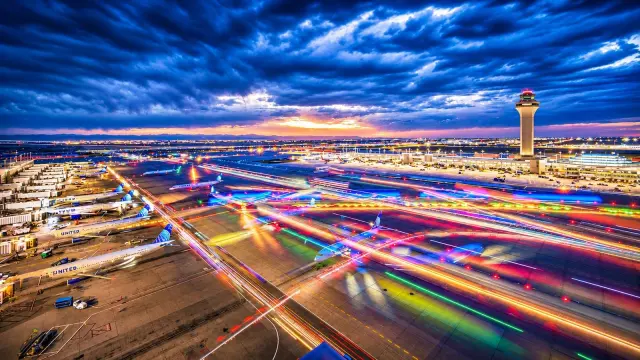
Air travel across the United States came to a standstill on Friday, November 13, when the Federal Aviation Administration ordered a nationwide ground stop at every US airport. The agency acted after communication failures hit multiple air traffic control centers, suspending all departures until further notice while international arrivals were assessed case by case.
The stoppage began in the afternoon and lasted until roughly 8:30 PM EST, when the FAA lifted the order. Recovery, however, is a different story — with more than 6,500 flights halted at the peak and over 1,000 cancellations logged by early evening, airlines warned it could take days to restore normal schedules. Cirium data showed more than 11,000 flights were still scheduled to depart after the stop began, so cancellations climbed steeply through the night.
What actually went wrong? Reporting points to a telecommunications update on a private network — reportedly operated by L3Harris — that connects the country's ATC system. The network rebooted during the update, the system crashed, and communications went down. Officials were quick to rule out a cyberattack, though FBI personnel monitored the situation, and the FAA denied any link to the separate global Microsoft outage that hit the day before. Whether the FAA's newly rolled-out AI traffic management system, known as SMART, played any role remains unclear.
This kind of action is exceptionally rare. Friday marked only the second nationwide halt since the September 11, 2001 attacks — the previous one came in January 2023, when the FAA's NOTAM safety-notice system failed and grounded departures for about 90 minutes. Unlike 9/11, though, aircraft already in the air were not forced down; airborne flights simply continued to their destinations while only departures were frozen.
Airports scrambled to manage the fallout. Miami International, among others, told passengers outright not to come to the terminal until they had confirmed their flight status directly with their airline — advice that applies to any mass-cancellation event.
For travellers, the takeaway is practical rather than alarming. If you were flying on Friday evening or have a connection in the coming days, expect knock-on delays and rebooked itineraries as airlines reposition aircraft and crews. Check your airline's app before heading to the airport, know your rebooking options, and remember that in a US ground stop your options for compensation are limited — weather-style waivers typically apply rather than cash payouts. Anyone with transatlantic plans saw a brief flicker of relief, as some eastbound flights from Northeast airports and the first departure from Chicago O'Hare were cleared before the stop was formally lifted.
The bigger picture: two nationwide groundings in under four years, both tied to ageing or fragile FAA technology, is a pattern worth watching — especially if you travel frequently through US hubs. For now, flights are moving again, but the schedules may take several days to look normal.