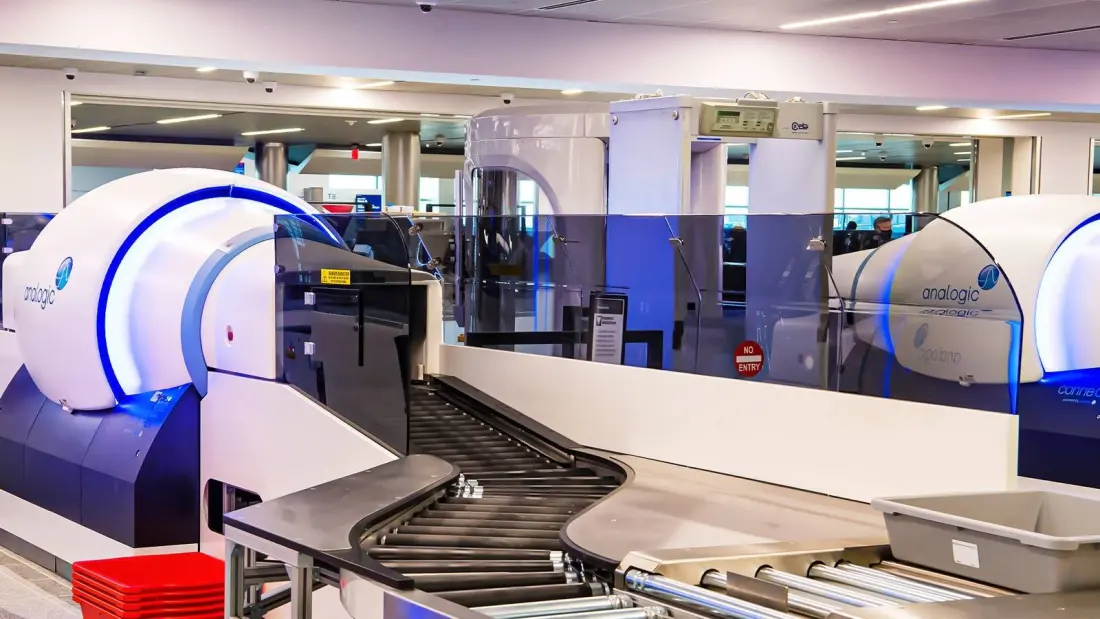
Airport security in the United States is quietly getting a makeover, and most passengers will love one part of it: at checkpoints with the TSA's newer CT scanners, laptops, tablets and even liquids can often stay in your carry-on. The machines build 3D images of bag contents that officers can rotate on three axes, replacing the flat 2D X-rays that forced everyone to unpack for the past two decades. The rollout is big money — the TSA committed up to $781.2 million to CT systems in March 2022, with more orders since — and the scanners are already running at hubs like Atlanta, Chicago O'Hare and New York JFK.
There's a catch, though, and it hits a growing group of travellers: anyone shooting analog. The same powerful imaging that lets officers see inside a packed bag can fog or permanently damage undeveloped film, sometimes in a single pass. That includes loose rolls, film already loaded in a camera, disposables and instant film. Digital cameras, lenses, memory cards and batteries are fine — it's specifically unprocessed photographic material that's at risk.
The fix is to change how you move through the checkpoint. Keep film in your hand luggage (checked bags go through similarly strong scanners, with no opportunity to request a hand inspection), pack it near the top in a clear zip bag, and tell the officer you're carrying undeveloped film and want a manual check. Officers will visually inspect and swab each roll, which takes about 3-10 minutes — worth budgeting an extra 15-20 minutes at the airport. Outside the US, procedures vary, so international travellers may need to have the same conversation at each connection.
The scanners also catch a second group off guard: oversize bag packers. CT units have fixed tunnel openings, so an expanded or overstuffed carry-on that once squeezed through older machines may now be rejected at security — before you even reach the gate. The standard US domestic limit of roughly 22 x 14 x 9 inches is suddenly harder to fudge.
Why it matters: security is genuinely more convenient now for most flyers, but packing well means thinking about the scanner, not just the airline. Keep laptops and liquids where they fit, don't inflate your bag, and if you're shooting film on holiday, make sure it's the first thing out of your backpack — not buried at the bottom where it's too late.
Story via Simple Flying.