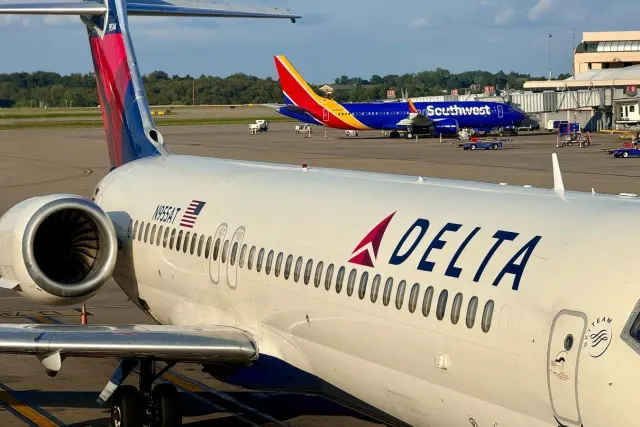
Paying extra for a window seat only to find a blank wall beside you is a real gripe for more than a million Delta passengers, if a proposed class action filed in August 2025 is to be believed. A US judge has now ruled the case can go ahead, so Delta will have to defend itself in court.
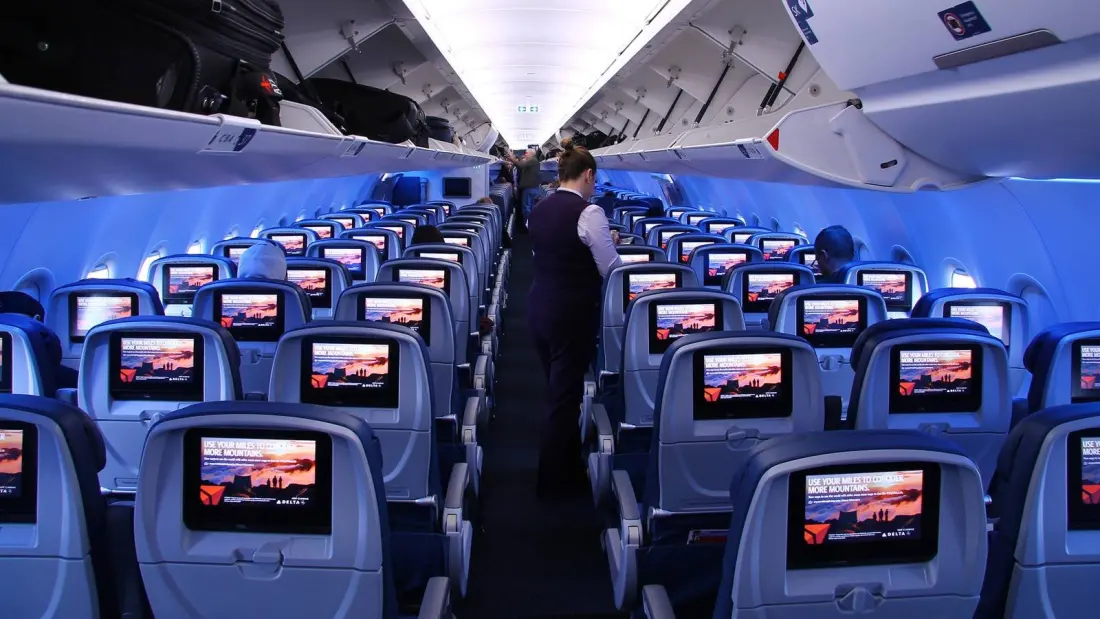
The suit, Meyer v. Delta Air Lines, was sparked by Brooklyn resident Nicholas Meyer, who shelled out extra for seat 23F on a Boeing 757-200 flying from Atlanta to John Wayne Airport in Orange County, California — the second leg of a trip from LaGuardia. He then spent roughly four and a half hours staring at cabin panelling. According to the complaint, certain seats on Delta's Boeing 737s, 757s and Airbus A321s sit beside solid panels hiding air conditioning ducts and other gear, and Delta's booking system doesn't flag them.
Delta's defence leaned on its Contract of Carriage, which makes no promise of an actual window and notes that seat assignments aren't guaranteed. The airline also argued that claims based on seat maps and marketing fall outside the contract and are pre-empted by the Airline Deregulation Act. On November 4, US District Judge Ramon E. Reyes Jr. of the Eastern District of New York rejected that argument, ruling the breach of contract claims aren't pre-empted by federal law.
There's a pattern here: in July, a judge allowed a nearly identical case against United Airlines to proceed. United had claimed "window" merely describes a position by the cabin wall, but US District Judge James Donato wasn't persuaded, saying the ticketing terms plausibly showed United agreed to provide a seat with a window. Both suits seek millions in damages plus changes to how these seats are advertised.
What's striking for travellers is that competitors already solve this. American Airlines and Alaska Airlines tell you at seat selection when a "window" has no window, and Southwest added a similar warning with its switch to assigned seating on January 27, 2026. Delta itself flags other quirks — limited recline, missing under-seat storage — so plaintiffs argue fixing this would be trivial. Until airlines sort it out, it's worth scrutinising the seat map closely (or checking a site like SeatGuru) before paying a premium for that view at 35,000 feet.
Reported by Simple Flying.